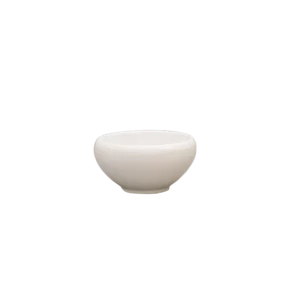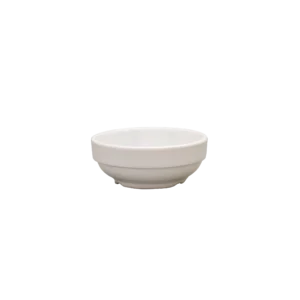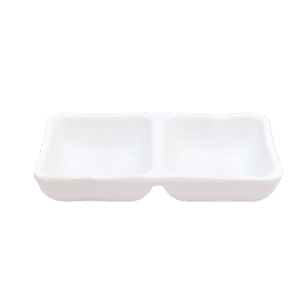

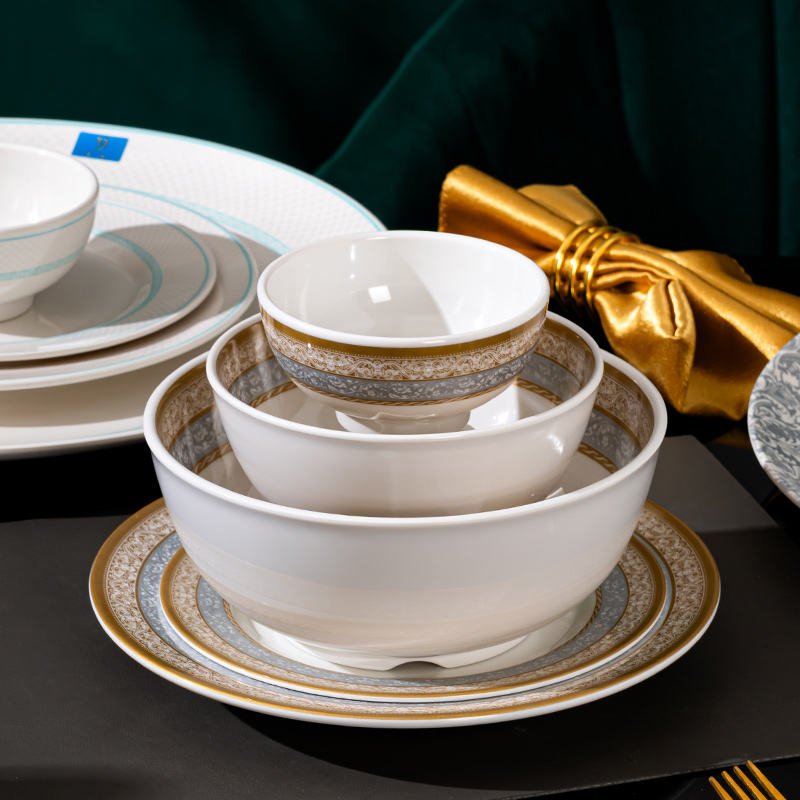
In a fast-casual noodle chain or a hospital cafeteria, large melamine bowls take a beating. The 32 oz entrée bowls and 128 oz buffet basins get stacked, hauled, and run through high-temperature commercial dishwashers 8 to 10 times a day, and rarely by anyone being gentle.
That punishment is why ceramic and porcelain don’t hold up. Cracked and chipped pieces add up to a 30% to 50% annual inventory loss in many commercial kitchens. Move the big bowls to commercial-grade large melamine serving and entrée bowls and the math changes. They shrug off the impacts that shatter ceramic, so you reorder less often and your par levels stop bleeding.
Everyday demands on large bowls
“Large” usually means 16 ounces and up. On a cafeteria line, that size holds a full noodle meal or a serious salad. In a casual restaurant, the same bowl works for pasta entrées or hearty soups. Because these pieces are bigger than side plates or cups, they eat more rack space, stack less neatly, and carry more weight when full. That’s where the stress concentrates.
High-volume settings make the wear worse. A school cafeteria feeding hundreds or thousands of meals a day may wash and serve the same bowls several times before dinner. Hospitals and corporate dining rooms see similar numbers. Rush periods mean staff move fast, and drops happen. Edges chip from stainless steel utensils or from stacking too tight. Ceramic and porcelain hold heat well and look formal, but they crack under this kind of daily abuse.
Talk to anyone who supplies dinnerware to high-volume kitchens and you hear the same story: ceramic and porcelain lose a big share of inventory every year. Exactly how much depends on handling, volume, and care, and the range is wide. Melamine gets picked in those same settings because it takes impacts better and survives repeated commercial dishwashing without looking wrecked.
Why material choice affects long-term cost
Melamine is a thermosetting plastic, formed under heat and pressure into dense, hard pieces. Commercial-grade versions are made for food contact and pass the relevant safety standards, FDA and LFGB among them, when properly manufactured. The bowls come out lighter than ceramic of the same size, which matters more than you’d think. Less weight means less strain on staff during long shifts and fewer drops from tired hands.
The material doesn’t shatter like glass or ceramic when it hits a hard floor. It can still chip or show surface wear after years of hard use, but complete losses are rarer. Operators who actually track their dinnerware report that melamine, large bowls included, needs replacing at a modest annual rate when pieces get proper rest cycles and basic care. The figure that comes up across food service resources is roughly 10 to 20 percent of stock per year under typical high-volume conditions.
That gap compounds. Drop a 50% annual replacement rate to 15%, and you’ve cut replacement spending on that category by about 70%. A kitchen still on ceramic keeps paying for new pieces, shipping, and the labor of checking and restocking. A kitchen on durable melamine spends less often on the same item, and the savings show up on the invoice and in fewer disruptions during the lunch rush.
Calculating total cost beyond the initial purchase
The first invoice is only part of the bill. Total cost of ownership folds in the starter set, the annual replacements, the labor of ordering and receiving new stock, the storage you set aside for backup pieces, and the risk of running short when volume spikes.
A practical way to think about par levels is to start with seats and expected table turns. Operators who’ve done this a while aim for two to three pieces of each key dinnerware item per seat. For large bowls, that’s enough so one group is in service, another is in the dishwasher, and a third is resting. Skip the rest cycles and any material dies younger. Letting pieces cool and recover between cycles keeps them in shape longer.
When the replacement rate sits in the lower range melamine tends to hit, annual spending stays predictable and modest. Over two to five years, the cumulative gap versus high-breakage materials becomes visible in the operating budget. It’s especially visible with large bowls, because they cost more per unit than small side dishes and because they back high-frequency menu items.
Factors that influence actual savings
Not every kitchen sees the same result. A few variables do most of the work.
- Menu mix decides how often the large bowls leave the shelf. A concept built on soups, noodle bowls, and composed salads cycles them faster than a place that pulls them out only for the occasional side. Match the bowl size and shape to the actual dishes and you cut unnecessary handling and over-use of any single piece.
- Staff habits matter as much as the material. Proper stacking, careful busing, and correct rack loading stop most avoidable damage. Melamine doesn’t belong in ovens or microwaves; extreme heat can warp it. Follow the manufacturer’s care guidelines and the surface and structure hold up longer.
- The melamine itself has to be good. Commercial-grade pieces made from pure melamine resin, with real thickness and a proper finish, outperform lighter retail versions. Food-contact certifications tell buyers the material meets what institutional use demands.
- Inventory discipline counts too. Run too lean and pieces never rest. Run too deep and you tie up capital and storage. The balance comes from actual volume and turns, and that’s where the best long-term cost lives.
Day-to-day use cases where large melamine bowls fit naturally
In school and university cafeterias, large bowls handle breakfast cereal, lunch salads, and dinner noodle or rice dishes. They have to survive student energy and fast dishwashing cycles, and light weight helps younger staff or volunteers move trays without strain.
Hospital and healthcare dining puts safety and handling first. Because melamine resists breaking, there’s less risk of sharp fragments in busy service areas. The same bowls work on patient trays and in the staff cafeteria.
Corporate and institutional dining rooms run mixed menus all day. Large bowls show up on salad bars, soup stations, and hot entrée lines. Operators want pieces that still look presentable after hundreds of washes and don’t need a replacement order every quarter.
The right large melamine bowl size and style drives kitchen efficiency and portion control more than people expect:
- Fast-casual grain and noodle chains (32 oz to 48 oz bowls): built for poke, ramen, and big pasta dishes. Textured matte or faux-stoneware finishes give a premium ceramic look while cutting the edge chips that stainless steel spoons and chopsticks cause.
- Self-service buffet and salad bars (64 oz to 128 oz bowls): deep, wide-rimmed large melamine serving bowls keep display aesthetics consistent and don’t show scratch marks from heavy metal tongs.
- Institutional and healthcare dining (24 oz to 32 oz bowls): stain-resistant, lightweight construction allows high-capacity tray stacking for patient meals and cafeteria lines, and meets strict food safety standards (FDA / LFGB / NSF certified).
Practical steps to maximize the benefit
Operators who want to keep replacement costs low with large melamine bowls can lean on a few practices that actually work.
- Start with real par levels. Calculate them from seats, turns, and menu frequency instead of guessing, and build in the three-set rotation so pieces rest on a schedule.
- Budget for the modest annual replacement from day one. Treat it as a planned operating expense, not a surprise, and cash-flow planning gets easier.
- Pick commercial-grade pieces sized for the large-bowl applications that show up most on your menu. Versatile shapes that handle both hot and cold dishes cut the number of SKUs you stock and track.
- Train staff on handling, stacking, and rack loading. Simple habits prevent most of the damage that doesn’t have to happen.
- Then track actual breakage for a stretch after you introduce or expand the melamine inventory. Numbers from your own operation tell you the savings better than any supplier pitch.
Presentation, safety, and operational fit
Melamine doesn’t hold heat as long as ceramic. If your menu leans on very hot soups served tableside, keep a smaller ceramic set for those dishes and run melamine for everything else. Most high-volume operations find melamine handles normal service temperatures fine, and the durability gain outweighs the heat-retention gap.
Safety standards aren’t optional. Commercial buyers look for pieces that meet food-contact rules and are free of substances restricted in their markets. Proper manufacturing and testing are what make the material reliable over time.
Looks have come a long way. Commercial melamine comes in a range of colors, textures, and shapes that fit casual, institutional, and contemporary dining. The pieces can carry brand identity and still be practical for daily use.
Заключение
Replacement costs don’t show up as one dramatic line item. They pile up quietly through repeated small purchases, staff time spent managing inventory, and the occasional service hiccup when popular sizes run short. Large bowls, because they’re big and used constantly, contribute more than their share of that ongoing expense.
Durable commercial melamine, backed by sound inventory and handling habits, fixes the problem at the source. The material’s impact resistance and its tolerance for commercial dishwashing cycles mean fewer pieces lost over months and years. Set those savings against the higher replacement rates that fragile materials post in the same high-turn rooms, and the financial gap is obvious.
If you’re weighing options, the practical next step is to look at what you currently spend replacing large bowls, count the pieces you lose each quarter, and compare that to the lower replacement rates commercial melamine tends to deliver. The numbers from your own daily operation are the most honest guide.