The shift toward Al Fresco dining isn’t just a passing phase; it’s a permanent change in how we eat. Data shows that over 54% of diners are more likely to pick a restaurant with patio seating, and 55% of us simply prefer being outside when the weather plays along. Post-pandemic, the demand for fresh-air gatherings has stayed high. But eating outside brings a specific headache: fragile glass and ceramic don’t travel well. This is where melamine dinnerware sets have stepped in. They are shatter-resistant, lightweight, and chip-proof, making them the practical choice for patios, picnics, and high-traffic spots.
It Actually Lasts
The main reason you see melamine everywhere—from busy cafeterias to backyard BBQs—is that it doesn’t break when you drop it. While ceramic or porcelain often ends up in sharp shards after one clumsy move, melamine is built to take a beating.
The Science of Thermoset Resin: This toughness comes from how it’s made. Melamine is a thermoset resin. During manufacturing, the material changes chemically when it’s heated and molded, creating what polymer scientists call a cross-linked network. Once those molecular bonds set, they form a permanent 3D structure that won’t melt or warp easily. This makes the final product:
- Break-resistant: It survives drops on tile or stone patio floors.
- Chip-resistant: The edges stay smooth even after being run through industrial dishwashers thousands of times.
Dongyu Technology’s Approach Dongyu Technology takes these material basics and adds high-pressure molding. By using specific tons of pressure during the curing stage, they pack the material tighter. This gets rid of the internal air pockets that cause “stress cracking” in cheaper plastic plates. For a business, this lowers the total cost of ownership because you aren’t constantly ordering replacements for broken inventory.
Travel-Friendly Dinnerware: Durable, Light, and Space-Saving
If you’re packing a bag for a hike or loading an RV, weight matters. Ceramic or stoneware plates feel nice, but they’re heavy and take up too much room. Melamine dinnerware sets offer the look of solid tableware without the back-breaking weight.
The primary reason for melamine’s portability lies in its chemical composition. Melamine resin is a thermosetting plastic with a much lower density than clay-based materials.
- Weight Comparison: On average, a standard melamine plate weighs approximately 30% to 50% less than a ceramic plate of the same size and thickness.
- Data Support: According to material density standards, typical Ceramic (Porcelain/Stoneware) has a density ranging from 2.3 to 2.5 g/cm³, whereas Melamine resin typically sits between 1.5 and 1.6 g/cm³.
This reduction in density translates to a much lighter “pack weight.” For a family of four carrying a full 12-piece dinnerware set, switching from ceramic to melamine can reduce the backpack or picnic basket weight by several kilograms—a vital factor for hikers and campers who prioritize efficiency.
Smart Design for Compact Packing and Easy Transport
At Dongyu Technology, the design of melamine dinnerware focuses on this “Lightweight Architecture.” By utilizing high-purity melamine resin, these sets achieve a slim profile that remains shatter-resistant.
- Stackability: Because melamine is molded with precision, the pieces are often more uniform than hand-fired ceramics. This allows for tighter stacking, saving valuable cubic space in RV cabinets or camping crates.
- Shock Absorption: Beyond weight, the material’s inherent flexibility allows it to withstand the vibrations and bumps of transport—conditions that frequently cause ceramic plates to hairline fracture or chip.
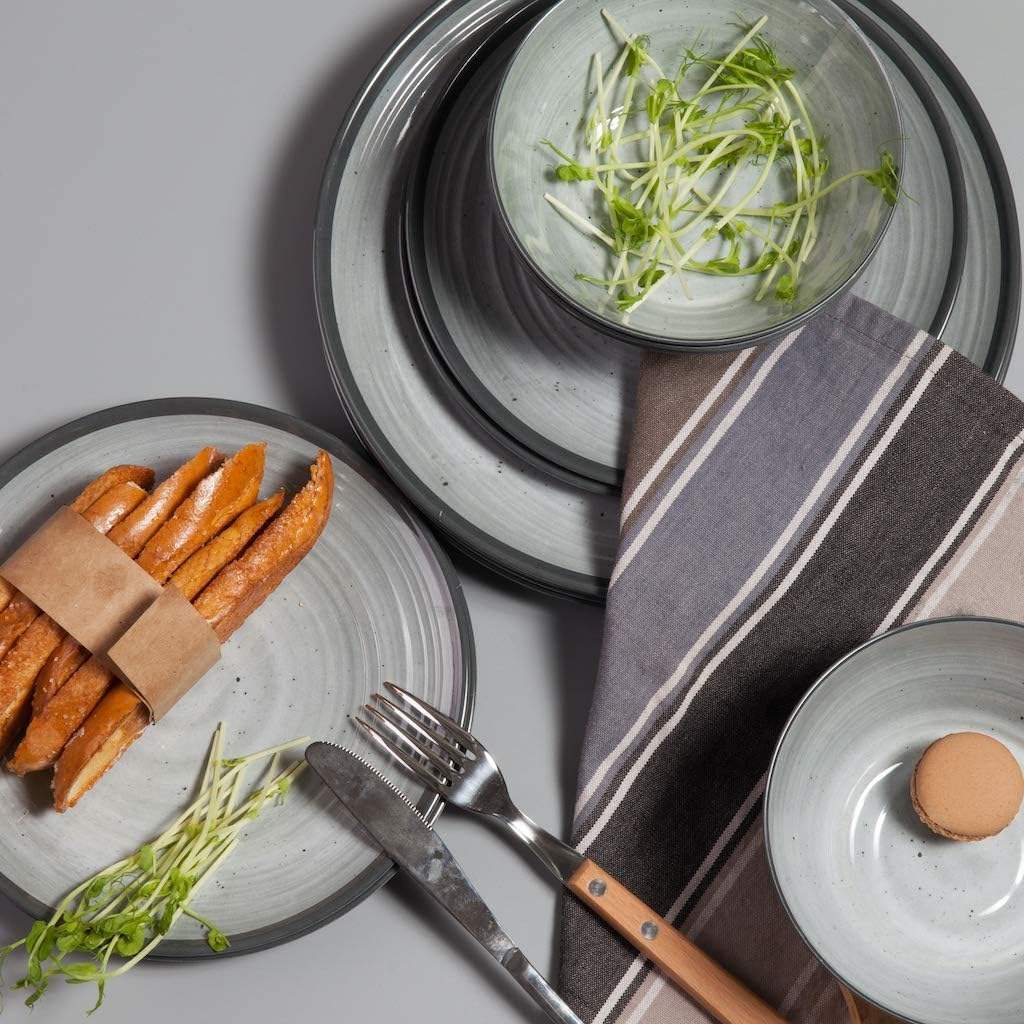
Superior Insulation Properties: Keeping Food Warm Outdoors
One of the most practical advantages of melamine dinnerware sets—especially for outdoor dining or high-volume catering—is its natural thermal efficiency. Unlike traditional materials, melamine acts as a highly effective insulator due to its low thermal conductivity.
Low Thermal Conductivity for Temperature Retention
Scientifically, melamine resin is a thermosetting plastic with a significantly lower heat transfer rate than metals or ceramics. While a stainless steel plate or an aluminum tray quickly absorbs the cold from the outdoor air and strips heat from your food, melamine maintains a stable temperature barrier.
- Slower Heat Loss: In breezy or cool outdoor environments, melamine dinnerware helps hot entrees stay at an enjoyable serving temperature for longer periods.
- Safety and Comfort: Because the material does not transfer heat rapidly, the exterior of a melamine bowl or plate remains cool to the touch even when filled with hot soups or pastas. This “stay-cool” property reduces the risk of burns for servers and guests alike.
Professional Quality from Dongyu Technology
For B2B buyers and outdoor retailers, sourcing high-quality sets is critical. Dongyu Technology utilizes high-purity melamine resin to ensure these insulation properties are consistent across their entire product line. Their melamine dinnerware sets are engineered to withstand the rigors of outdoor use—from patio dining to professional camping gear—without the rapid heat dissipation seen in cheaper plastic or metal alternatives.
By choosing Dongyu’s melamine solutions, users benefit from a material that is not only shatter-resistant but also thermally intelligent, ensuring that “farm-to-table” meals stay warm from the kitchen to the outdoor terrace.
Safety and BPA-Free Standards
When people talk about plastic and food, safety is always the first question. To trust a brand, you need more than just marketing; you need international standards.
Safety is not a subjective claim but a matter of rigorous compliance. High-quality melamine products must adhere to strict international frameworks to ensure they do not leach harmful substances into food:
- FDA Standards (USA): Per the U.S. Food and Drug Administration (FDA), melamine is considered safe for use as a food contact material provided it meets the requirements of 21 CFR 177.1460. This regulation ensures the finished product does not release harmful levels of chemicals under normal usage conditions.
- EU Regulation No. 10/2011: For the European market, melamine must comply with specific migration limits (SML). These regulations mandate that products undergo testing to ensure that any substance migration remains well below the safety thresholds defined by the European Food Safety Authority (EFSA).
Dongyu Technology reinforces its position in the B2B market by prioritizing transparency and empirical testing. Unlike lower-grade alternatives that may use urea-formaldehyde resins, Dongyu utilizes 100% food-grade melamine resin.
- Third-Party Certification: Every melamine dinnerware set is subjected to rigorous testing by world-leading inspection agencies such as SGS or Intertek. These tests confirm that the products are 100% BPA-free and that migration levels are undetectable or significantly below legal limits.
- Material Integrity: By maintaining strict control over the manufacturing process, Dongyu ensures that the structural integrity of the tableware remains intact even after repeated commercial dishwashing cycles, preventing the surface erosion that can lead to safety risks.
Expert Insight: According to the World Health Organization (WHO), the “Tolerable Daily Intake” (TDI) for melamine is 0.2 mg/kg of body weight. By using products certified by SGS to EU or FDA standards, consumers are guaranteed exposure levels that are a mere fraction of this safety limit, ensuring long-term health protection.
Enhancing the Outdoor Table Setting
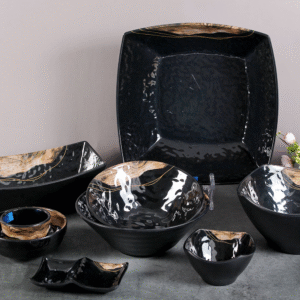
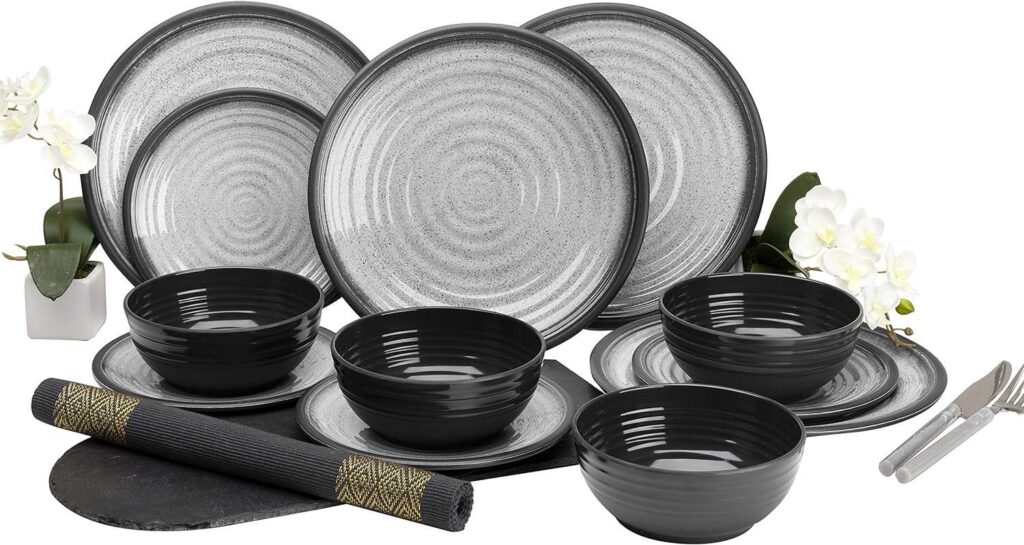
When it comes to outdoor dining, the visual appeal of the table setting is just as critical as the durability of the dinnerware. Modern melamine dinnerware sets have transcended their “plastic” origins, offering an aesthetic versatility that rivals high-end materials like porcelain, stoneware, and even natural wood.
Mimicking High-End Materials with Precision
One of the standout features of premium melamine is its ability to simulate diverse textures and finishes. Through advanced compression molding techniques, brands like Dongyu Technology can replicate:
- Ceramic and Porcelain: Capturing the high-gloss sheen and organic “imperfect” edges of artisanal pottery.
- Marble and Stone: Incorporating intricate veining and matte stone-like textures that add a sophisticated, earthy feel to a patio setting.
- Wood Grain: Emulating the warmth of natural timber without the risk of warping or splintering when exposed to moisture.
Unlike traditional ceramics, which can fade or chip under harsh UV exposure, high-quality melamine is engineered for color permanence. The pigments are integrated into the resin compound, ensuring that vibrant patterns and deep hues remain crisp even after repeated use in direct sunlight and frequent cycles in commercial dishwashers.
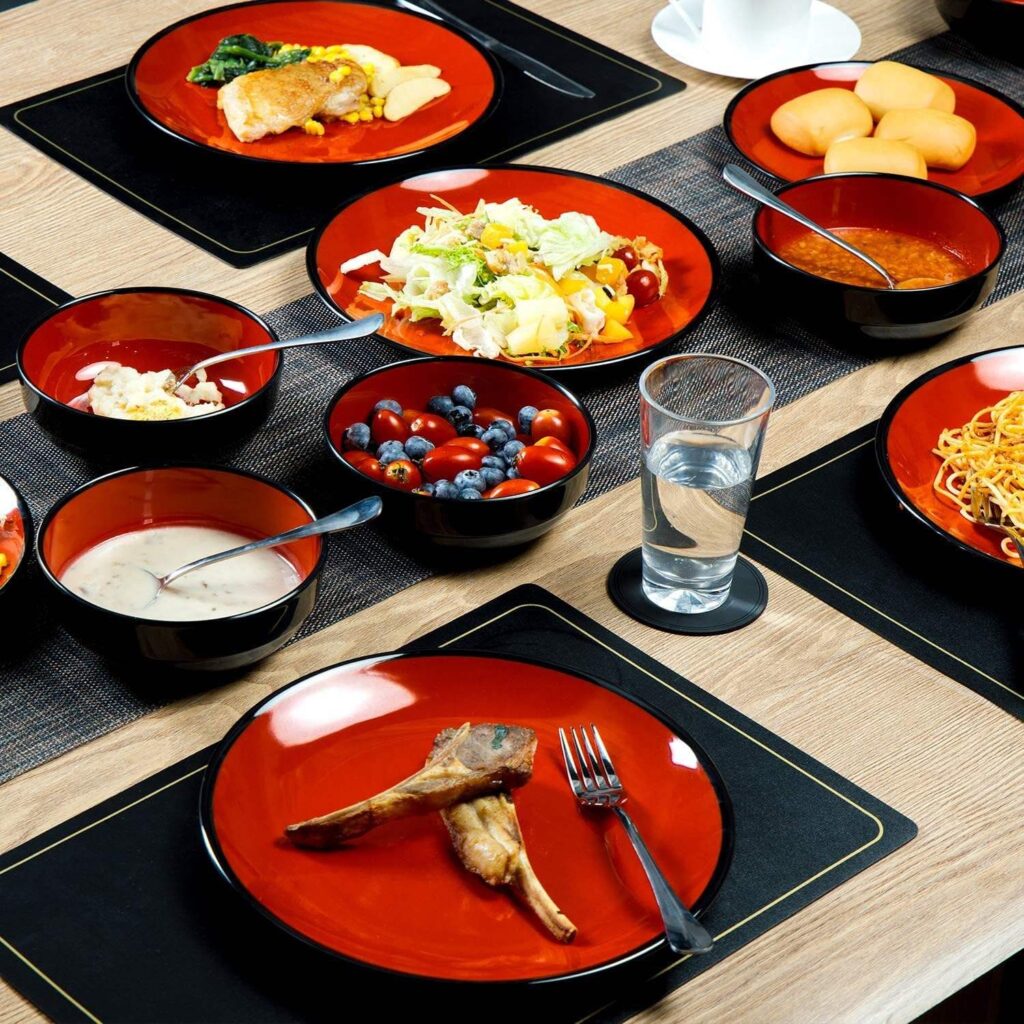
From Elegant Terrace Soirées to Family BBQs
The design language of Dongyu’s collections—ranging from professional-grade Melamine Mixing Bowls to specialized Children’s Dinnerware—is built to adapt to any outdoor occasion.
- Sophisticated Dining: For a formal terrace dinner, sets featuring minimalist solids or marble textures provide a refined backdrop that complements stainless steel cutlery and glassware.
- Casual Gatherings: For high-traffic events like family barbecues, the impact resistance of melamine is a mechanical necessity. Dongyu’s children’s series, for instance, focuses on ergonomic shapes and shatterproof safety, ensuring a stress-free environment for parents.
By picking a versatile melamine set, you get the look of fine china with the utility you actually need for the outdoors. Dongyu Technology offers the durability and UV resistance required for everything from poolside snacks to high-end patio dining.
Elevate Your Outdoor Experience with Dongyu Technology
Are you looking for tableware that survives the elements without sacrificing style? Dongyu Technology specializes in professional-grade melamine solutions that meet rigorous international safety standards. Our outdoor collection features reinforced durability and UV-resistant finishes, perfect for poolside dining, camping, or high-end patio gatherings.