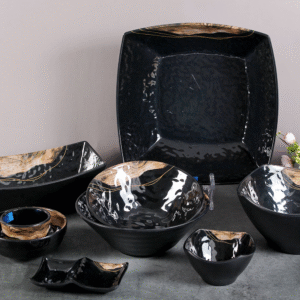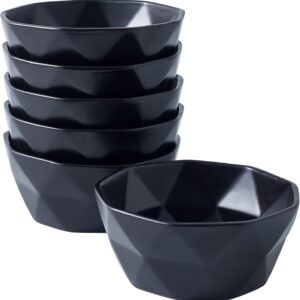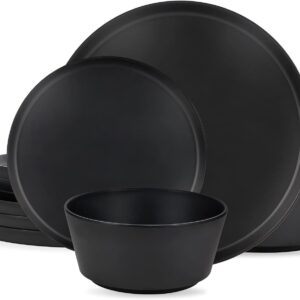
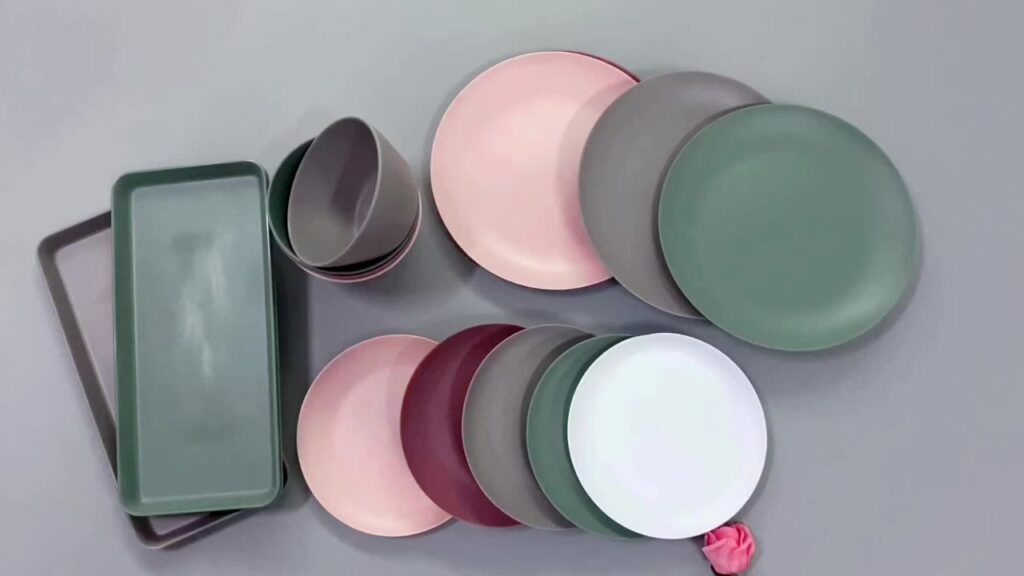
In recent years, melamine dinnerware has faced scrutiny over safety concerns, with misinformation spreading about potential health risks. It is crucial to separate fact from fiction, understanding the science behind melamine and the strict regulations governing its production.
First, let’s clarify what melamine dinnerware is made of. High-quality melamine tableware is crafted from melamine-formaldehyde resin, a thermosetting plastic created by polymerizing melamine and formaldehyde. This process forms a stable, cross-linked structure that is resistant to heat, chemicals, and impact. When properly manufactured, the resin is inert, meaning it does not leach harmful substances into food under normal usage conditions.
The primary concern often raised is the release of melamine or formaldehyde. However, studies show that these risks are minimal when the dinnerware adheres to safety standards. The U.S. Food and Drug Administration (FDA) sets a migration limit of 2.5 parts per million (ppm) for melamine in food contact materials, a threshold based on extensive toxicological research. Similarly, the European Union’s Regulation (EU) 10/2011 limits melamine migration to 0.15 mg/kg, ensuring that even trace amounts are safe for human consumption.
So, when does melamine leaching become a concern? The key is improper usage or low-quality products. Substandard melamine dinnerware, often made with cheap resins or recycled materials, may contain unreacted formaldehyde or melamine monomers. These can leach into food, especially when exposed to high temperatures (above 120°C/248°F), acidic substances (like tomato sauce or citrus juices), or prolonged contact with hot liquids.
To avoid such risks, consumers should look for certifications. Reputable manufacturers comply with international standards, such as FDA approval, LFGB (Germany’s food contact regulation), or SGS testing. These certifications guarantee that the product has undergone rigorous testing for leaching and toxicity.
Another myth is that melamine dinnerware is unsafe for children. On the contrary, when properly made, it is an excellent choice for kids. Its shatterproof nature reduces the risk of cuts from broken dishes, and its non-toxicity (under normal use) makes it far safer than chipped porcelain or sharp plastic alternatives. Parents should, however, avoid using melamine for very hot foods (like boiling soup) or microwaving, as extreme heat can compromise the resin’s stability.
It is also important to distinguish between melamine and other plastics. Unlike some plastics that release harmful chemicals when heated, melamine resin is designed to withstand moderate temperatures. That said, it is not suitable for microwave use, as the intense heat can cause the material to degrade over time.
Regulatory bodies continuously update standards to address new research. For example, in 2017, China revised its national standards for melamine tableware, tightening limits on formaldehyde release and requiring clearer labeling. Such measures ensure that manufacturers prioritize safety, and consumers can make informed choices.
Proper care and maintenance also play a role in preserving melamine’s safety. Avoiding abrasive cleaners, which can scratch the surface and create channels for leaching, is essential. Instead, use mild detergents and soft sponges. Additionally, inspecting dinnerware regularly for cracks or discoloration—signs of degradation—and replacing damaged items promptly further reduces risks.
In conclusion, melamine dinnerware is safe when produced to high standards and used correctly. The myths surrounding its dangers often stem from low-quality products or improper usage, not the material itself. By choosing certified products, following usage guidelines, and practicing proper care, consumers can enjoy the benefits of melamine—durability, affordability, and versatility—without compromising their health.