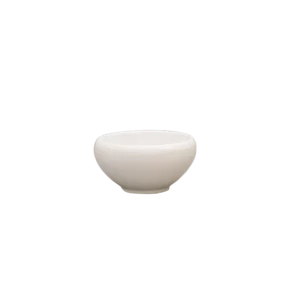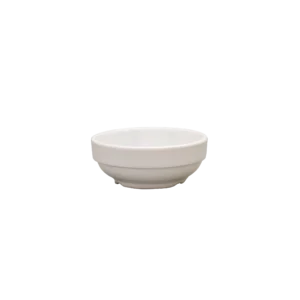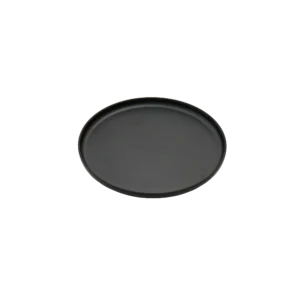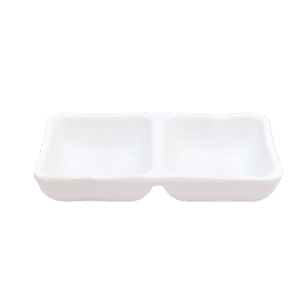

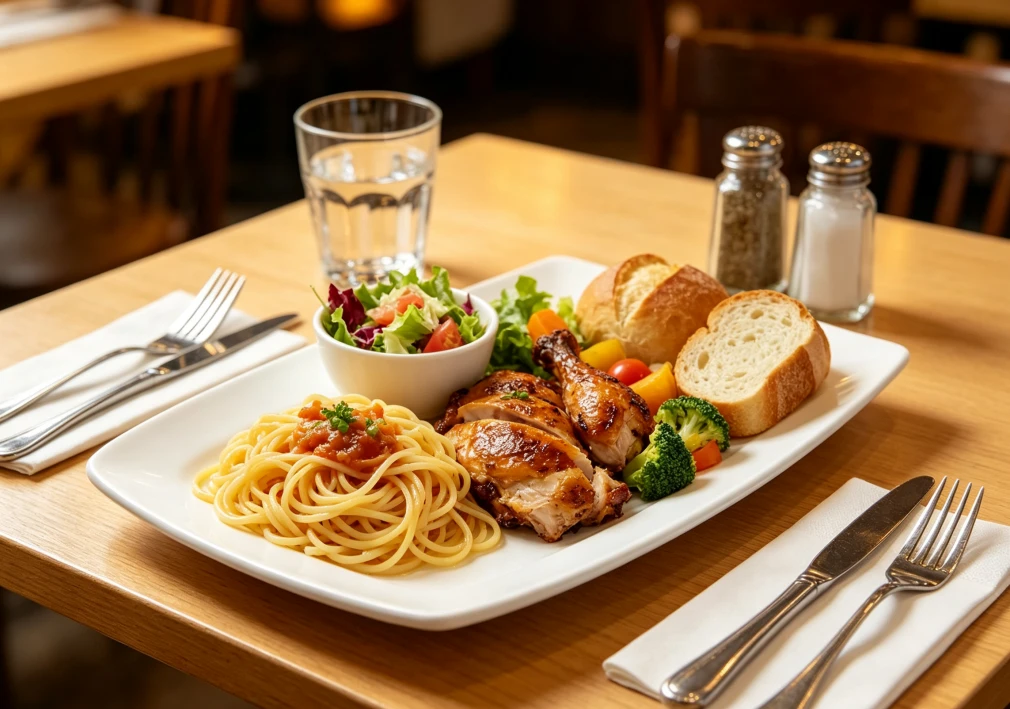
A hotel banquet manager and a restaurant group buyer both need commercial melamine dinnerware, but they rarely need the same plate. The hotel wants a uniform look across 400 rooms and clean plating at the ballroom. The restaurant cares more about surviving 200 dishwasher cycles a week and keeping replacement costs under control. The grade you choose should follow the way you operate, not the catalog photo.
Below is a direct comparison of hotel grade, restaurant grade, and institutional melamine dinnerware standards. It covers resin, thickness, NSF certification, cost, and how to buy either in bulk without surprises.
What “Commercial Grade” Actually Means
The term gets overused. Here is the specific meaning.
Resin first. Real commercial melamine dinnerware starts with 100% A5 melamine resin, the pure food-safe grade. It is not the recycled or filler-loaded compound found in discount homeware. A1 and A3 blends cost less, but they yellow, craze, and pick up odors under heat and detergent. Our A5 commercial sourcing guide shows the dock tests that separate pure A5 from filler blends.
Thickness second. A commercial plate runs 2.5 to 3.5 mm at the rim, roughly double a thin home plate. That extra material absorbs the shock of a drop on tile and keeps the plate flat through repeated dishwasher loads.
Certification third. NSF, FDA, and LFGB all apply to food contact, but NSF carries extra weight in US food service. NSF certified melamine dinnerware has been tested not only for chemical safety but also for how easily the surface can be cleaned and sanitized. A chain buyer or distributor usually expects to see it on the spec sheet.
How the Three Grades Differ
Hotel, restaurant, and institutional buyers run different operations. Their plates reflect that.
Hotel Grade
Hotels buy for consistency across properties and presentation under event lighting. A hotel grade plate prioritizes uniform color, a clean rim, and a weight that feels right on a banquet table. Thickness sits at the moderate end, usually 2.5 to 3.0 mm, because the plate is handled more carefully than in a high-turnover kitchen. The real risk is shade drift between reorders, so buyers ordering hotel grade melamine dinnerware often lock a single SKU and color across all locations.
Restaurant Grade
Restaurant grade leans hard on durability. The plate faces constant bus tubs, commercial dishwashers, and the occasional drop on hard flooring. Walls run thicker, often 3.0 to 3.5 mm, and chip resistance is the deciding factor. Replacement rate is the number that changes behavior. Ceramic looks great on the pass, but when a busser drops a rack twice a night, the replacement bill arrives monthly. Restaurant grade melamine dinnerware cuts that bill because the per-break cost stays low.
Institutional & Food-Service Settings
School cafeterias, hospital trays, staff canteens, and care facilities care less about plating and more about safety and budget. A chipped ceramic edge is a cut risk and a liability. Food service melamine earns its place through a smooth, shatter-resistant body that survives a dishwasher load every hour. Budgets are tight and volumes are high, so buyers weigh price per piece over a multi-year life. The same resin spec that serves a hotel ballroom works here; only the priorities change.
The Spec Sheet That Separates the Grades
Numbers make the comparison concrete. Use the table below as a checklist when you review samples or request a quote.
| Dimension | Hotel grade | Restaurant grade | Institutional |
|---|---|---|---|
| Rim thickness | 2.5 to 3.0 mm | 3.0 to 3.5 mm | 2.5 to 3.0 mm |
| Weight, 10-inch plate | about 380 g | about 430 g | about 390 g |
| Dishwasher tolerance | 70°C and above | 70°C and above | 70°C and above |
| NSF | recommended | expected in US food service | recommended |
| Chip resistance | high | very high | high |
| Colorfast rating | 4 to 5 | 4 to 5 | 4 |
| Typical use | banquets, in-room dining | high-turnover dining | cafeterias, care facilities |
Read this as a checklist, not a ranking. A hotel does not need the thickest wall. A school does not need the quietest color. Pick the row that matches how hard the plate works.
Two columns deserve the most weight: chip resistance e dishwasher tolerance. Those two decide whether the plate is still on the line in year three. Colorfast rating matters for a hotel that lives on presentation. It barely registers for a staff canteen. Match the spec to the pain point.
Why Thickness and Resin Grade Decide Longevity
Thickness Absorbs Impact
Thickness looks like a small number, but it drives lifespan. A 3.5 mm rim absorbs the shock of a drop that would crack a 1.5 mm home plate. The gap between a plate that lasts two years and one that lasts ten is often half a millimeter of material at the edge.
Resin Grade Sets the Ceiling
Under the thickness, the resin grade sets the upper limit. Pure A5 melamine cross-links into a dense, stable structure when it cures. Add filler, calcium carbonate, or recycled scrap, and you get a cheaper piece that fails faster. It yellows. It crazes. It holds odors that no dishwasher cycle removes.
A thin commercial melamine dinnerware piece made from impure resin ages the same way a home plate does. Thickness only helps when the material underneath is right.
Molding Process Matters
How the piece is formed is just as important as what it is made from. Compression-moulded melamine plates are pressed under heat and high pressure so the resin flows evenly and traps no air pockets. That even density is why a commercial plate survives hundreds of dishwasher cycles where a thin casting does not.
Filler-loaded pieces do not fail loudly. They fade. They stain. They start to smell faintly of old oil. By the time a guest notices, the brand has already taken the hit. Pure resin is the difference between a plate that ages quietly and one that ages in front of your customers.
Hospitality & Catering Use Cases
Commercial melamine dinnerware has moved from back-of-house only to front-of-house presentation across hotels, caterers, and event venues. These are the service moments where the right grade matters most.
Buffets and Banquets
Hotel breakfast lines, banquet halls, and buffet stations cycle hundreds of guests before noon. The plates need to stack, carry, and clear quickly. A uniform color across the line keeps the buffet looking intentional rather than assembled from leftover stock.
Poolside and Outdoor Service
A pool deck that served glass last season probably replaced a few dozen broken tumblers and swept shards off wet tile. A shatter-resistant melamine line removes that risk. Catering managers keep coming back to commercial melamine dinnerware at venues that used to risk glass near bare feet.
Catering Transport
Catering tableware has to survive loading into a van, unloading at the venue, and the return trip. Catering appetizer plates and trays take the same abuse. Melamine nests tightly, so a case of 100 plates takes less shelf space than ceramic and weighs far less.
Buying Commercial Melamine in Bulk
MOQ and Lead Time
Most OEM programs run 500 to 1,000 pieces per shape and color, with lead times of 15 to 30 days after artwork approval. Bulk commercial melamine dinnerware orders often consolidate shapes to hit volume pricing. A clear spec sheet pays off here: you order what survives, not what looks nice in a catalog photo.
Sample First
Never start with a purchase order. Lock the resin grade and thickness in writing, confirm the certification, then scale. Buyers who skip the sample stage discover color mismatches after the containers have sailed. The right spec keeps the first bulk order from becoming a warehouse of the wrong shade.
Order a sample kit before you commit: three shapes, two colors, one with your logo mocked up. It is the fastest way to catch a thickness or finish you would regret at scale, and it turns a rough guess into a measured spec.
Browse our commercial grade melamine dinnerware sets to see shapes, colors, and MOQ tiers in one place.
Perguntas frequentes
What makes melamine dinnerware commercial grade?
Commercial grade means 100% A5 resin, a rim thickness of 2.5 to 3.5 mm, food-contact certification such as NSF, FDA, or LFGB, and tolerance for commercial dishwasher heat around 70°C. Home plates skip most of these, which is why they warp and haze under daily professional use.
Do hotels use melamine dinnerware?
Yes. Hotels use hotel grade melamine dinnerware across banquets, in-room dining, pool bars, and lounges because it is light, uniform in style, hard to break, and cheap to replace. Higher-end properties often pair it with ceramic for plating contrast, but melamine carries the volume.
What is the difference between hotel and restaurant grade melamine?
Hotel grade leans on consistent style and presentation with moderate thickness. Restaurant grade leans on durability and replacement cost, usually with thicker walls and higher chip resistance for constant dishwasher cycles. Institutional grade adds weight to safety and budget over aesthetics. The spec table above shows the split.
Is NSF certification required for restaurant melamine?
In US food service, NSF certification is the mainstream compliance expectation and sits alongside FDA food-contact rules. It is not a single global legal mandate, but most chains, distributors, and buying groups require it as proof the surface can be cleaned and sanitized to standard.
Conclusão
Pick the grade that matches how hard the plates work. Hotels lean on consistency. Restaurants lean on durability. Institutions lean on safety and cost. Whichever you need, spec it right and buy it in bulk. The commercial melamine dinnerware market rewards buyers who decide by operation, not by catalog.
Ready to spec your own grade? Request a free sample kit and wholesale quote and we will match the right plate to your operation.