

Dongyu Tableware Products Co., Ltd.
Indirizzo: n. 66, Luowan Road, distretto di Hetang, città di Zhuzhou, provincia di Hunan, Cina
Tel.: +86-0731-22883213 Cell.: +136 4743 1730 E-mail: info@dongyutechnology
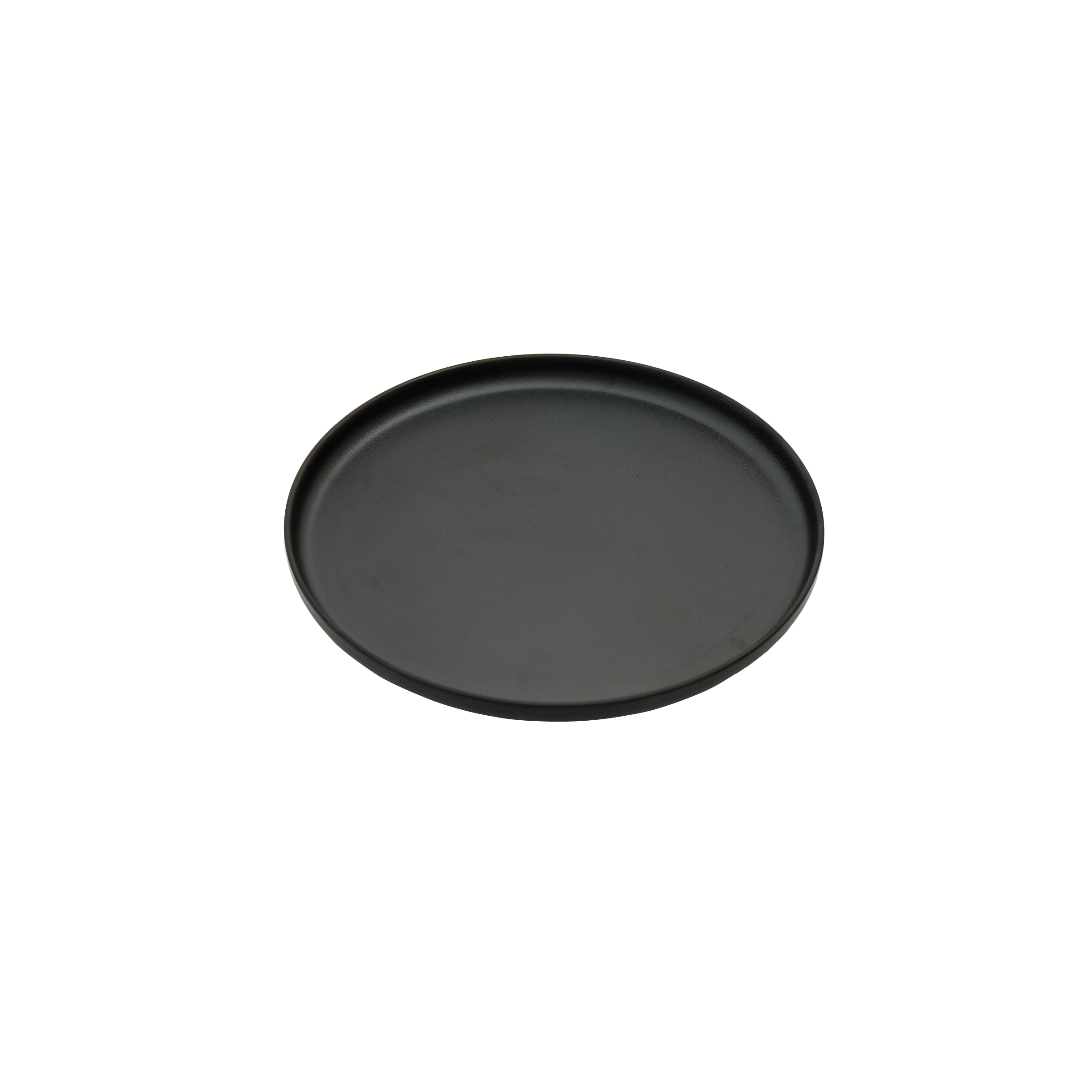
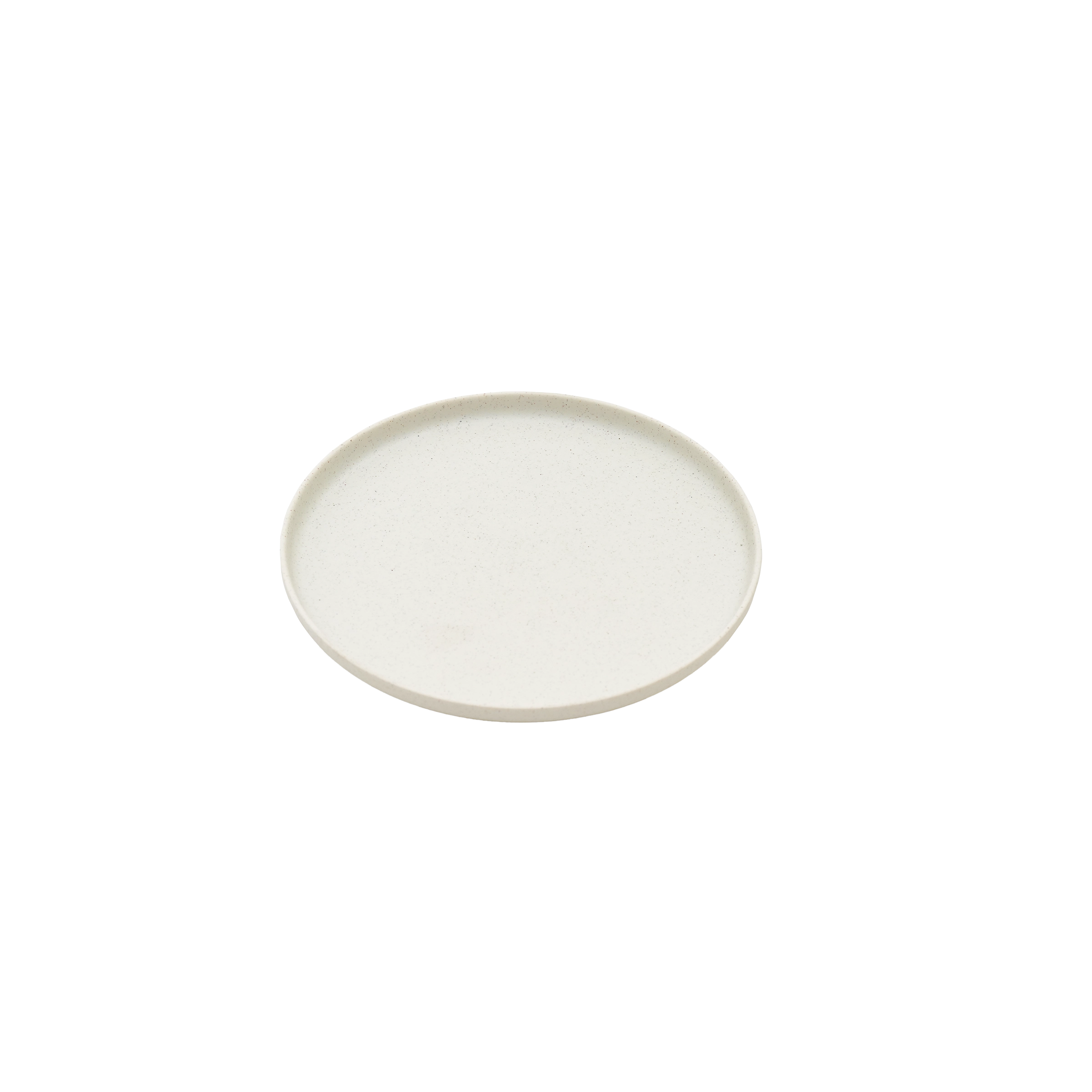

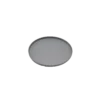
Low-profile rim — it sits close to the table so cakes, tart slices and petit fours read as the visual hero rather than sinking into a deep well
8.3 inch (21 cm) diameter — sized between an appetizer plate and a full dinner plate; handles dessert portions, tasting flights and light lunch salads
Matte finish in taupe, black and white — the non-reflective face hides fine scratches and lets food photography read clean without glare
Lighter than ceramic at about 0.34 kg — servers carry stacked towers of 12–15 plates without wrist fatigue; ideal for outdoor and popup service
Dishwasher safe up to 120°C — runs commercial cycles after buttercream, ganache and chocolate without clouding
BPA-free A5 virgin melamine — passes FDA, LFGB, EN 13130 and REACH; food-safe for bakery, buffet and café use
Custom color from 100 pieces per Pantone — match a brand palette beyond the stock taupe, black and white range
Most kitchens stock two plate sizes up front: a large dinner plate (10–11″) for mains and a small plate (6–7″) for bread or starters. However, the gap between them — roughly 8 to 9 inches — is where dessert service lives, and it stays underserved.
An 8.3-inch plate fills that gap precisely. A standard slice of layer cake or cheesecake fits with 1–2 cm of rim clearance, leaving room for sauce drizzles, berry garnishes or a dusting of cocoa. Two or three macarons arrange as a tasting flight without looking sparse.
A small grain bowl (under 300 g) plates cleanly for light lunch in the same piece that handled dessert the evening before. Therefore, bakeries and all-day cafés can consolidate inventory: one SKU covers both the pastry case and the lunch counter.
Bakery plates cycle differently than dinner service. For example, a dessert plate may handle three to five seatings a day at a café, or sit under a display lamp for six to eight hours at a buffet. In contrast, ceramic and porcelain show glaze wear and chip edges under that rhythm.
Melamine absorbs the same rotation differently. Drop impact from counter to floor that would shatter ceramic typically leaves this plate unmarked. Stacking 15 plates wet out of the dishwasher does not cause edge chipping the way glazed ware does.
The matte face also conceals knife marks from cutting brownies or bars directly on the plate — marks that become permanent eyesores on glossy surfaces. Over a year at a mid-volume bakery, ceramic dessert plates usually need restocking at 20–35% of inventory from chips, cracks and drops.
This melamine plate follows a different retirement curve: most pieces are pulled after 18–24 months when surface cosmetics fade, not because they cracked.
On a three-year cost basis — purchase price, freight on reorders and receiving labor — that slower turnover typically saves 30–50% versus a ceramic dessert program at the same volume.
The stock range ships in three solid matte colors, each chosen to complement rather than compete with plated food.
Taupe grey — a warm neutral that reads as “off-grey” under warm café lighting and pairs with wood tables, brass fixtures and earth-tone interiors.
Matte black — high-contrast staging for brightly coloured desserts: fruit tarts, rainbow cakes, citrus curd pots. Black also reads upscale in fine-casual rooms and photographs sharply for menus.
Off-white (matte cream) — not a bright optic white but a warmer ivory that mimics unglazed ceramic.
All three share the same tooling cavity and matte texture — only the pigment changes. Batch colour consistency is held within a tight delta-E tolerance.
A dessert plate often serves double duty as a display vessel. Under a glass dome on a patisserie counter, it presents the day’s featured slice. On a wedding table, it holds individual servings beside a tiered stand. At a catered event, rows of one flavour per plate let guests self-serve.
The 8.3-inch diameter and low rim height suit these display contexts. The footprint holds visual weight on a buffet line without looking lost next to larger serving pieces.
The low profile keeps the food plane near eye level on a counter or riser. The round shape carries no directional bias, so it rotates freely under a camera for menu photography.
For branded programs, the centre field and outer rim both accept pad-printed or laser-engraved logos. A subtle tonal mark on the matte surface reads more elegantly than a glossy high-contrast print.
This plate is compression-molded from food-grade A5 virgin melamine resin — no recycled filler, no melamine-formaldehyde blend. The finished weight lands around 0.34 kg per piece.
That weight comes from deliberate wall gauge at the rim plus a reinforced base that stays flat under heavy dessert loads. A dense flourless torte can push 400–500 g per slice. Units below 0.3 kg in this size tend to flex when loaded; units above 0.5 kg stack poorly and inflate freight.
Service temperature runs from −30°C to +120°C — enough for chilled mousse and panna cotta, ambient patisserie display and commercial dishwash. As with every melamine item, this plate is for serving and washing only; keep it out of microwaves and ovens.
Beyond the three stock matte colours, branded programs are available.
Pad-printed logo — 200-piece minimum per colour. Rim or centre field. Single-color standard; multi-color adds setup.
In-mold body color — 100-piece minimum per custom Pantone match. The whole plate casts in your brand colour with a uniform matte skin.
Laser-engraved mark — underside rim, no minimum. A subtle tonal signature on the matte ground.
Colour sign-off opens a 15–20 working day build window. Send us your quantity, Pantone reference and logo artwork — we return pricing, samples and a schedule within 24 hours.
Machine-wash in a commercial dishwasher (cycles to 120°C) or hand-wash with a mild detergent and non-scratch sponge. Steel wool and gritty pads permanently scour the matte finish — those dull patches cannot be polished out.
After washing, leave pieces to air-dry or pat them with a towel. The matte face marks less than gloss, yet a quick wipe before storage keeps it clean. When pieces are dry, stacking is where the design pays off: the foot ring on the base keeps each plate spaced from the next.
Up to 20–25 nest in a standard bus tub or bakery rack without wedging. After buttercream or chocolate service, give plates a warm rinse before the dishwasher — dried sugar and fat bake hard onto any surface.
| Piece | Diameter | Role |
|---|---|---|
| Single plate | 8.3 in (21 cm) | Dessert, cake slice, appetizer, salad, tasting flight, buffet display |
What is the difference between this 8.3″ plate and the 10.6″ dinner plate in the same series?
Fundamentally, size and intended use. The 10.6″ plate is a full dinner plate for main courses, grilled proteins and composed salads.
By comparison, this 8.3″ plate sits one size down: optimized for dessert portions, appetizer courses, light lunches and display. Both share the same matte finish and colour palette — thus, choose by the portion you plate most often.
Can this plate go under a heat lamp or in a refrigerated case?
Yes to both, within the rated range (−30°C to +120°C). For instance, buffet heat lamps typically run below 80°C at the surface, well within tolerance.
Similarly, refrigerated cases for mousse, cheesecake and tarts pose no issue. However, avoid direct proximity to broilers or oven doors where surface temperature can exceed 120°C.
How many fit in a standard bakery rack or bus tub?
Generally, roughly 20–25 nested pieces in a standard 40×60 cm bus tub or undercounter rack. The low rim keeps stack height compact. Additionally, transport crates hold about 150–200 pieces per master carton depending on packaging.
Does the matte surface stain from berries, turmeric or pigmented desserts?
Admittedly, matte resists staining better than many porous ceramics, but deeply pigmented foods (blackberry reduction, saffron custard, beetroot purée) can leave faint tinting if left overnight.
As a rule, same-day washing — even a cold rinse before stacking — prevents nearly all staining. Furthermore, any residual tint fades over 10–15 wash cycles as the surface renews.
What certifications apply?
On the compliance side, this dessert plate meets ISO9001 and BSCI for management and social standards. It also carries 84/500/EEC, EPR, REACH and EN 13130 for food-contact safety.
FDA and LFGB reports are available on request, and every colourway — taupe, black, white or custom Pantone — meets the same standards.
Request a Quote: 8.3 Inch Melamine Dessert Plate
Tell us your target market, quantity range, preferred colourway (taupe, black, white or custom Pantone), and any branding needs. Our team replies within 24 hours with factory pricing, sample options and a production schedule for your melamine dessert plate program.