Picture the back-of-house (BOH) during a Friday night dinner rush. Servers are moving at top speed, rapidly clearing tables and tossing dirty dishes into heavy bussing tubs alongside stainless steel cutlery. In the dish pit, commercial dishwashers are roaring, blasting crowded racks of plates and bowls with high-temperature water (which must reach at least 180°F/82°C for final sanitizing rinse, according to the FDA Food Code). In this chaotic, high-pressure environment, standard ceramic or thin plastic tableware rarely survives unscathed. The most vulnerable point of any dish is its rim. The daily grind of clashing against metal spoons, bouncing inside dishwasher racks, and enduring hard impacts against kitchen counters inevitably leads to edge chipping. For restaurant owners and catering operators, this is not just a cosmetic issue—it is a severe operational drain. Constantly replacing damaged dinnerware eats directly into profit margins. Furthermore, chipped tableware poses a significant health hazard, as the exposed porous inner layers become breeding grounds for bacteria, leading to potential health inspection failures.
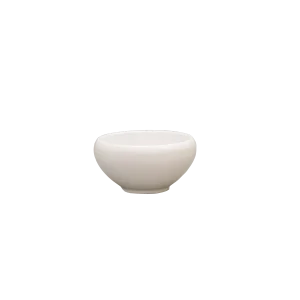
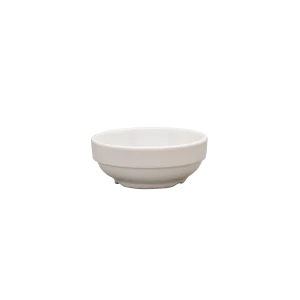
This is where commercial-grade material engineering becomes essential. Amidst this high-intensity daily wear and tear, a structurally engineered melamine serving bowl provides a definitive solution. By upgrading the physical design of the bowl—specifically through advanced compression molding and reinforcing the outer rim—the material can absorb and distribute blunt impact forces far better than traditional ceramics. For wholesale buyers and hospitality procurement managers, sourcing tableware that can survive this daily abuse is critical. Professional OEM/ODM manufacturers like Dongyu Technology specialize in producing heavy-duty melamine tableware designed exactly for these harsh realities. By focusing on reinforced structural integrity, these bowls completely eliminate the constant headache of edge chipping, keeping commercial kitchens running safely and cost-effectively.
The Daily Kitchen Grind: How Standard Bowls Actually Break
In a professional kitchen, tableware is not merely a dish; it is a tool that operates in a high-impact, industrial environment. When selecting a melamine serving bowl for a commercial setting, procurement managers must look past aesthetic appeal and address the specific mechanical stresses that cause premature failure. Understanding how these items break in a daily operational cycle is the first step toward reducing long-term replacement costs.
The “Bussing Tub” Impact
During peak service hours, the speed of table clearing is critical to maintaining a restaurant’s “table turn” rate. Servers, under pressure, often clear items into a centralized bussing tub. In this confined space, a melamine serving bowl is frequently subjected to high-velocity impacts from stainless steel cutlery, heavy glassware, and other ceramic plates. Because the rim of the bowl acts as the primary point of contact, thin or poorly constructed edges will inevitably suffer from “star cracks” or chips. Once the outer surface is breached, the integrity of the entire bowl is compromised, making it impossible to sanitize effectively.
The Ladle Tap at the Expeditor Station
At the expediting station, efficiency is everything. Chefs and line cooks frequently use stainless steel ladles to portion soups, sauces, or stews into serving bowls. A common, ingrained habit is the “ladle tap”—striking the edge of the bowl to shake off excess liquid before placing the bowl on the pass. While this action takes only a fraction of a second, the repetitive kinetic energy focused on a single point of the rim is destructive. Non-reinforced materials lack the molecular density to absorb this constant percussive stress, leading to microscopic fissures that eventually propagate into visible chips, rendering the vessel unsuitable for guest service.
Dishwasher Rack Rattle
Commercial dishwashers are designed for speed and hygiene, not for the delicate treatment of tableware. According to the FDA Food Code (Section 4-501.11), hot water sanitizing rinse cycles in commercial dishwashers must reach a minimum of 180°F (82°C) to effectively kill pathogens. Beyond the extreme thermal cycling, the water jets themselves create immense pressure. When bowls are packed tightly into dishwasher racks, the high-pressure water spray causes them to vibrate and rattle against each other. Without a reinforced rim design—such as those engineered by Dongyu Technology—this constant edge-to-edge friction leads to “edge abrasion,” where the smooth surface finish is worn away, leaving the bowl prone to staining and chipping over a short period of operation.
How a Reinforced Melamine Serving Bowl Survives the Chaos
To mitigate the rapid wear and tear described previously, professional-grade tableware requires more than just standard melamine resin; it demands advanced engineering. By focusing on structural geometry and high-pressure manufacturing, a reinforced melamine serving bowl is specifically designed to resist the physical demands of high-volume commercial kitchens.
Thicker Rims and Rolled Edge Design
The most effective defense against chipping is structural design that manages kinetic energy. Unlike standard bowls with thin, straight-cut edges—which act as a “knife’s edge” when struck by stainless steel—a reinforced design utilizes a thickened rim or a “rolled” geometry.
This design principle is rooted in structural mechanics: by increasing the radius of the rim, the impact force from a ladle tap or a collision in a bussing tub is distributed over a larger surface area rather than a single focal point. This geometric reinforcement creates a “buffer zone” that prevents the localized stress concentrations which typically initiate micro-cracks. When a serving bowl features this intentional edge profiling, it can sustain accidental impacts that would otherwise cause a conventional bowl to fail immediately.
High-Density Material Curing
The durability of a melamine serving bowl is ultimately defined by its molecular structure, which is determined during the manufacturing process. Melamine is a thermosetting plastic, meaning it undergoes a permanent chemical change during curing.
Premium manufacturers like Dongyu Technology utilize high-pressure compression molding techniques to ensure maximum material density. During the curing cycle, the application of precise temperature and intense hydraulic pressure—often exceeding 2,000 psi depending on the bowl’s thickness—ensures that the melamine resin cross-links thoroughly throughout the entire cross-section of the product.
This high-density curing process delivers measurable operational advantages for high-volume operators:
- Extended Lifecycle via Surface Hardness: The bowl resists the abrasive vibrations of commercial dishwashing racks, maintaining its glaze and extending the product lifespan by up to 300% compared to standard ceramics.
- Guaranteed Sanitary Compliance: A denser molecular matrix creates a strictly non-porous surface. This meets stringent NSF (National Sanitation Foundation) standards, eliminating the micro-crevices where biofilms breed and ensuring zero health inspection point deductions related to tableware.
- Extreme Thermal Stability: The tight polymer cross-linking prevents warping or structural degradation, allowing the bowls to seamlessly endure the FDA-mandated 180°F+ (82°C) hot-water sanitization cycles shift after shift.
By combining superior edge geometry with industrial-grade compression curing, these reinforced bowls provide the longevity required to lower the total cost of ownership (TCO) for restaurants and catering services.
The Hidden Dangers of Chipped Edges in Daily Operations
For a restaurant manager, a chipped melamine serving bowl is more than just a nuisance—it is a significant operational liability. While the cost of replacing a single bowl may seem negligible, the ripple effects of using damaged equipment can compromise both regulatory compliance and brand reputation.
Health Inspection Fails: The Compliance Red Line
In the commercial food service industry, equipment maintenance is not a matter of choice; it is a matter of law. According to the FDA Food Code (2022 Edition, Section 4-101.11)], all multi-use tableware must be “smooth, nonabsorbent, corrosion-resistant, and nontoxic,” and crucially, must be kept in “good repair.”
When the rim of a melamine serving bowl chips, it creates a jagged, porous surface that disrupts the bowl’s non-porous finish. This compromised area serves as a microscopic reservoir for organic matter, grease, and food particles. Because these deep, narrow crevices are impossible to reach during standard commercial dishwasher cycles, they become a breeding ground for harmful biofilms and pathogens. During a health department audit, inspectors explicitly look for damaged equipment; the presence of chipped tableware is a direct violation of sanitary standards and can lead to immediate point deductions or even a failed inspection, forcing a restaurant to take costly, unplanned downtime to replace its inventory.
Customer Trust and Brand Reputation
Beyond regulatory hurdles, the impact on the customer experience is immediate and potentially devastating. A server unknowingly placing a hot soup or salad in a bowl with a chipped edge introduces two major risks:
- Physical Hazard: A jagged chip on a serving bowl is sharp enough to cause minor cuts or abrasions to a guest’s lips or tongue. Such an incident transforms a simple meal into a potential liability claim.
- The “Unclean” Perception: Modern diners are more aware of food safety than ever before. When a guest identifies a damaged, worn-out bowl, their immediate psychological response is to question the cleanliness of the rest of the operation. This perception often translates into negative reviews on platforms like Yelp or Google Maps.
In the age of social media, a single photo of a chipped bowl can cause lasting damage to a restaurant’s local reputation. By prioritizing durable, high-quality products—such as the reinforced offerings engineered by Dongyu Technology—operators prevent these scenarios from ever occurring. Investing in professional-grade melamine is not just an equipment upgrade; it is a proactive strategy to safeguard the restaurant’s professional image and ensure long-term customer loyalty.
Built for Heavy Duty: Dongyu Technology’s Manufacturing Standard
While many products on the market are designed for casual home dining, Dongyu Technology operates with a different objective: engineering tableware specifically for the high-intensity, “punishing” environment of commercial kitchens. We understand that in a professional setting, a melamine serving bowl is not just an item for presentation; it is an industrial tool that must withstand the relentless pace of a busy restaurant.
Rigorous Performance Testing
At Dongyu Technology, our manufacturing philosophy is rooted in stress-testing. Before any product reaches a commercial kitchen, it undergoes a series of standardized tests to ensure it meets the demands of heavy-duty operations:
- Commercial Dishwasher Cycle Testing: We simulate the extreme conditions of a commercial dish pit by subjecting our melamine products to thousands of continuous wash cycles using industrial-strength detergents at temperatures exceeding 180°F (82°C). This ensures that our finishes do not haze, crack, or lose their structural integrity under thermal shock.
- Impact Resistance (Drop Tests): We conduct standardized drop tests on various surfaces, including industrial tiles, to measure the kinetic energy our bowls can absorb. By fine-tuning our resin formula and wall thickness, we ensure our products withstand the accidental drops and high-impact collisions that occur daily in high-volume bussing stations.
Precision OEM/ODM Customization
We recognize that no two commercial kitchens have the same operational requirements. A high-end banquet hall may require a different rim profile and weight profile than a fast-paced casual dining chain.
Dongyu Technology offers comprehensive OEM/ODM services, allowing procurement managers and chain operators to specify exact requirements for their melamine serving bowl needs:
- Structural Optimization: We can adjust the thickness and edge geometry of your bowls to provide additional reinforcement in the areas most prone to chipping in your specific kitchen workflow.
- Tailored Ergonomics: Whether your staff requires specific nesting capabilities for efficient storage or particular handle shapes for rapid service, our design team works to align our manufacturing capabilities with your operational KPIs.
- Material Certification: All our products are manufactured to meet international food safety standards, providing the peace of mind necessary for maintaining strict health department compliance.
By partnering with a manufacturer that prioritizes industrial durability over mass-market aesthetics, you are not just purchasing a set of bowls—you are investing in a long-term solution that lowers your replacement frequency and reinforces your commitment to operational excellence.
Conclusion
The longevity of your tableware is a silent but critical factor in your restaurant’s bottom line. Every time a melamine serving bowl chips, it triggers a chain reaction: you face increased replenishment costs, incur potential food safety risks, and risk damaging your establishment’s professional reputation with guests who expect a pristine dining environment. By shifting your procurement strategy toward reinforced, commercial-grade tableware, you are choosing to prioritize both operational efficiency and long-term cost savings. True durability is not found in aesthetic design alone, but in the rigorous material science and structural engineering that allow a bowl to survive the “Friday night rush”—from the clatter of the bussing station to the relentless cycle of the commercial dishwasher.
Don’t let fragile, substandard tableware continuously erode your operational profits and compromise your hygiene standards. Whether you are managing a high-volume catering business, a hotel banquet department, or a restaurant chain, upgrading to reinforced melamine is a definitive step toward a more reliable and profitable kitchen. Contact Dongyu Technology today to discuss your specific operational needs. Our team is ready to help you source durable, reinforced melamine serving bowl solutions custom-engineered to withstand the realities of real-world commercial kitchens. Let us help you build a more durable, efficient, and professional dining experience for your guests.