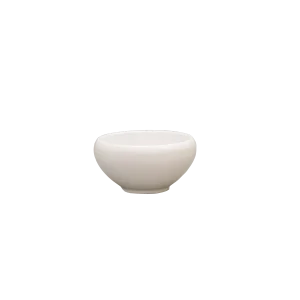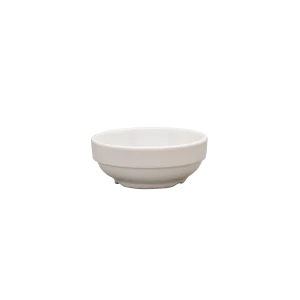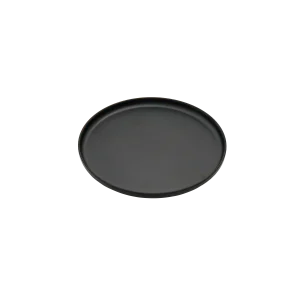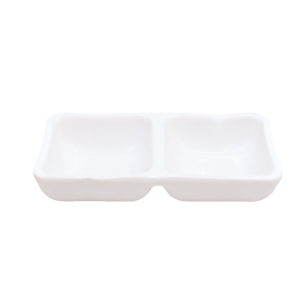
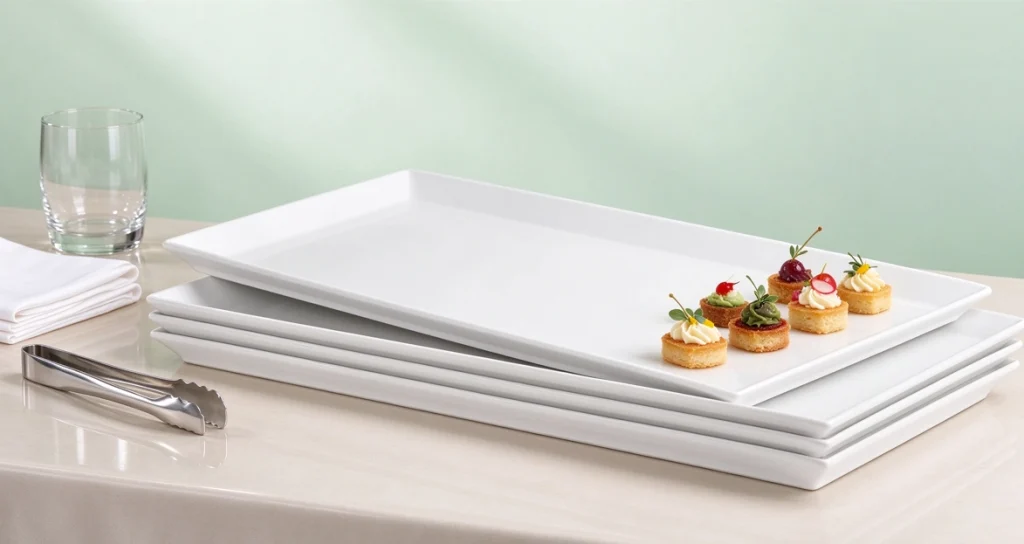
Two materials reach the same table, then behave nothing alike once service starts. Melamine flexes when it drops. Ceramic shatters. One goes in the microwave, the other does not. Choosing between them is less about which is “better” and more about which failures your service can afford.
This is a straight look at melamine vs ceramic plates, measured by what actually happens on a busy line rather than by a catalog photo.
Breakage: Does Melamine or Ceramic Crack
A working kitchen never drops a plate in a lab. The hit happens when a busser turns too fast, a stacked pile slides off a speed rack, or a bus cart tips on the way to the dishmachine. Ceramic and porcelain crack or shatter on those hits. Melamine flexes and bounces. That simple gap is why a real melamine vs ceramic plates decision usually starts with the drop.
Where Melamine Earns Its Keep
Operators in schools, pool decks, and festival booths reach for melamine because the math is brutal. The cost of a dropped ceramic is the whole plate. A dropped melamine costs nothing. In a zone where drops are routine, that difference shows up on the reorder report every single week.
Where Ceramic Still Makes Sense
A calm dining room with trained servers and rubber mats can go a month without losing a ceramic plate. The honest question is not which never breaks, but which fails safely. A chipped ceramic rim can still serve a salad without anyone noticing. A cracked melamine plate should leave service, because the open surface gives bacteria a place to sit.
So the trade is not “which is tougher.” It is “which fails quietly, and which fails expensive in your building.”
Heat and Microwave Limits Compared
Ceramic and porcelain take the oven and the microwave. You can reheat a plate, warm a ramekin, or hold service pieces in a low oven without a second thought. Melamine does neither. It is built for serving, not cooking, and most grades stay stable up to about 70°C at the surface. Past that, the resin can degrade. For melamine vs ceramic plates, this heat gap is the line that ends most debates.
Draw the Heating Step First
If your workflow moves food from microwave to plate, ceramic is the only safe choice for that step. Melamine holds hot food straight from the line, but it is not the vessel you heat food in. We tell buyers to draw the heating step before they pick the plate, because the plate that is perfect for the line is the wrong plate for the microwave.
Our piece on melamine and hot food goes deeper on what heat does to the resin next to other materials.
The One Fact That Shapes the Layout
Are melamine plates microwave safe like ceramic? No, and that single fact decides the kitchen map. A line that plates cold and heats in ceramic or glass has no conflict. A line that tries to reheat on the plate will wreck melamine and risk the food.
Weight: Why Melamine Feels Lighter
A dozen ceramic dinner plates weigh noticeably more than a dozen melamine. Over one shift that difference lands in a server’s arms and in the cart they push from the dish window to the floor. Lighter plates mean faster resets between turns and less strain on a busy front of house. That quiet case behind melamine vs ceramic plates matters most in high-volume service.
The Injury Angle Nobody Quotes
Plates stacked on a speed rack add up. A rack of ceramic is a two-hand load where melamine is a one-hand load. Cafeterias and catering lines that move volume care about this more than they care about the sound a plate makes when tapped. Weight is a quiet operating cost that shows up as slower resets and sore staff, not as a line item on a quote.
Dishwasher Use and Surface Wear
Commercial dishwashers run hot and aggressive, often well above 70°C in the wash chamber. Ceramic glaze holds up well across years of that cycle. Melamine survives the heat, but its surface slowly shows it: fine scratches from flatware, a slight loss of gloss, the odd scuff where a stack slid. This is where melamine vs ceramic plates splits on cosmetics.
Cosmetics Decide Where Each Belongs
Neither material fails in the dishwasher. The difference is how it looks afterward, and looks decide the room.
- A ceramic plate looks new longer, which matters where the guest studies the plate.
- A melamine plate keeps working long after it stops looking new, which is fine in a cafeteria and less fine in a white-tablecloth space.
A operation that refreshes its look every season treats surface wear as normal. A operation that wants the same shine in year three treats it as a reason to stay with ceramic. The dishwasher does not break either one. It just tells you which will still look good when the audit walks in.
Long-Term Cost: Ceramic vs Melamine
The first quote favors ceramic on some lines and melamine on others, but the number that matters is replacement cost over years. A ceramic plate that lasts five years but breaks at a bad moment costs more on the day it shatters. A melamine plate that you reorder every season costs little each time and never writes itself off in a single drop.
Match the Math to the Zone
Stable indoor service with careful handling gets more life from ceramic. A pool deck, a school line, or a festival booth gets more value from melamine, because breakage is the thing you actually pay for. We do not publish a single payback figure, because your volume and handling decide it. Put your own drop rate into the equation and the right material usually becomes obvious without a spreadsheet. Reading melamine vs ceramic plates as a multi-year cost, not a per-piece price, changes which one wins.
The Cost You Never See on a Quote
There is a second cost that rarely appears on a quote: inventory carrying. Ceramic needs more careful racking and more buffer stock to cover breakage, which ties up shelf space and cash. Melamine needs less buffer because it does not break in transit or storage. For a small operator, that freed-up shelf and working capital can matter more than the per-piece price on the two materials.
The Ceramic Look in Melamine
Modern molding closes the gap that used to make melamine look like a cafeteria tray. Today ceramic-look melamine carries matte and gloss finishes, speckle patterns, and edge detailing that reads as stoneware from three feet away. Up close the weight gives it away, and the tap sounds different, but the table does not suffer for it. See how blue and white melamine keeps a calm, plated look in foodservice.
Treat It as Melamine with a Ceramic Face
This finish matters for buyers who want a calm, plated look in a zone where ceramic would not survive the shift. You get the presentation without the breakage bill, which is exactly why these finishes show up at pools, patios, and resort buffets. It is still melamine, still not microwave safe, still lighter, so treat it as melamine with a ceramic face rather than a cheap substitute for fired clay. On the melamine vs porcelain dinnerware question, the resin version earns its place wherever ceramic would not survive the shift.
Match the Finish to the Abuse
The finish also sets the wear story. A gloss melamine shows scratches sooner than a matte or speckle finish, because the light catches every line. A speckle or textured surface hides daily wear and stays presentable longer in a high-use zone. Match the finish to the abuse, not to the showroom, and the ceramic look earns its place instead of washing out in a month.
Choose by Service Zone, Not by Habit
The honest answer to porcelain vs melamine is both, in the right places. A fine dining room wants the weight and the microwave flexibility of ceramic. A pool deck wants the drop survival of melamine. When you weigh melamine vs ceramic plates by zone, the table below maps common spaces to the material that fits, based on how the plate is actually handled rather than on a brand preference.
| Service zone | Better pick | Why it lands there |
|---|---|---|
| Fine dining | Ceramic | Weight, heat options, glaze that stays bright |
| Pool or patio | Melamine | Drops on a hard deck, outdoor handling |
| Buffet or cafeteria | Melamine | High drop rate, fast resets, cart moves |
| Kids meals | Melamine | Throws, drops, bites, busy staff |
| Room service | Ceramic | Quiet handling, heat holds, plated look |
None of these is a rule. They are starting points. If your room service cart takes the stairs, melamine may win there too. If your buffet is plated and fully staffed, ceramic may hold. The point is to decide by zone, not by habit. Browse the commercial melamine plates we make for the zones where melamine fits.
FAQ: Melamine vs Ceramic Plates
Is Melamine as Good as Ceramic Plates?
It depends on the zone. Melamine shrugs off drops and weighs less, which helps in outdoor, kids, and high-traffic service. Ceramic brings the weight, microwave and oven use, and a glaze that stays bright for years. For a real melamine vs ceramic plates call, match the material to how the plate is handled, not to a price tag.
Does Melamine Look Like Porcelain or Ceramic?
Modern ceramic-look melamine gets close. Matte, gloss, and speckle finishes read as stoneware from across a table. Up close the piece is lighter and the tap sounds different, because it is resin, not fired clay. It carries the look without the breakage risk, which is why pools and patios use it where real ceramic would not last a season.
Which Lasts Longer, Ceramic or Melamine Plates?
Ceramic lasts longer in theory, but it ends the moment it chips or shatters. Melamine stays in service for years yet shows surface wear and gets pulled before it fails. A stable room favors ceramic. A drop-heavy zone favors melamine, because you reorder small and never eat one bad drop. Usage decides, not a fixed number of years.
Are Melamine Plates Microwave Safe Like Ceramic?
No. Ceramic takes the microwave and the oven. Melamine is a thermoset resin built for serving, not heating, and it can degrade under heat. You can plate hot food on melamine, but do not use it as the heating vessel. If your step moves food from microwave to plate, ceramic is the safe pick.
Can You Mix Melamine and Ceramic at One Table?
Yes, and many operations do. Indoor entrees go on ceramic for the weight and the heat options. Buffet, pool, and kids zones go on melamine to control breakage and weight. Splitting by zone keeps the guest experience intact. Porcelain vs melamine is not a loyalty contest. It is a per-zone decision, and the two materials sit comfortably side by side.
Which Plate Should You Buy
Pick the material that matches how hard the plates work, not the one that photographs better. If the table points you to melamine, start from the zones where drops decide the bill and build out from there. For a side-by-side quote across your service zones, request a quote and we will match the right plate to how you serve.