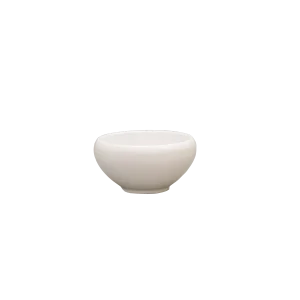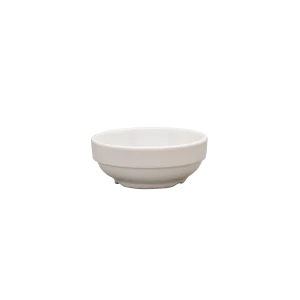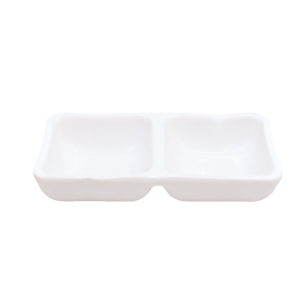
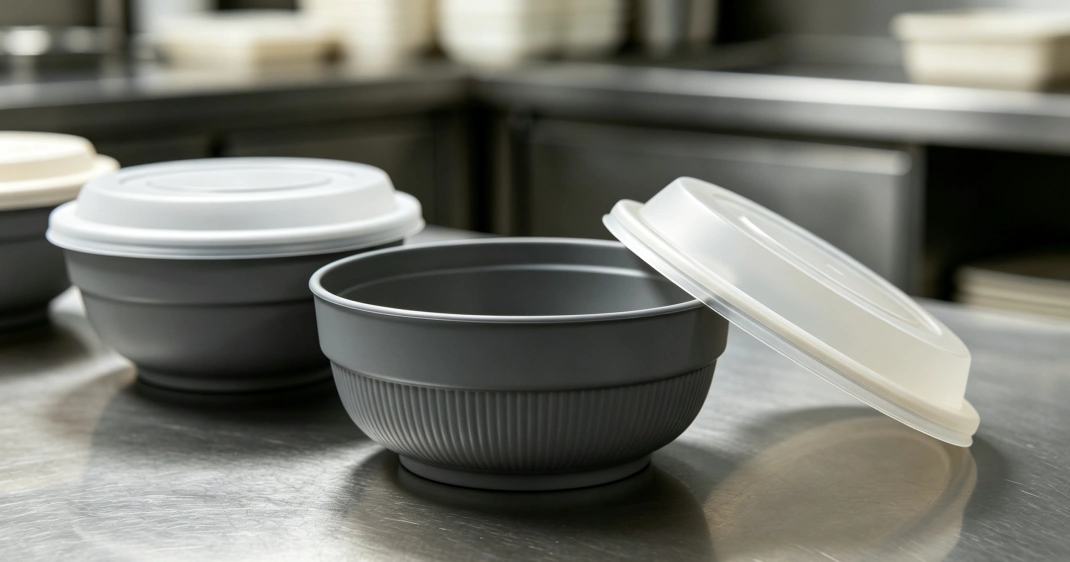
A catering van hits a curb. A prep fridge gets stacked sideways. A delivery rider brakes hard at a light. Every one of these moments tests whether the food in the bowl stays in the bowl. Open vessels fail that test. Melamine bowls with lids pass it, and they do it without the weight of ceramic or the throwaway cost of single-use containers.
Lids turn a serving bowl into a transport tool. They seal grain salads for a buffet line, hold prepped components in a central kitchen, and carry corporate lunches to desks without a leak. Because the bowl itself is A5-grade melamine, it weighs roughly half what ceramic does, does not shatter on tile, and runs through a commercial dishwasher hundreds of times. The lid makes it reusable across every handoff.
Below, we look at how foodservice operators use lidded melamine bowls in three workflows: catering drop-offs, commercial meal prep, and returnable takeout. We also cover lid styles, material specs, and how to order in bulk without guessing on size or seal type.
Why Lids Change the Game for Foodservice Bowls
A plain bowl holds food. A bowl with a lid holds food in place. That difference matters across every stage of a foodservice operation.
In transit, a sealed lid stops spills before they reach a tablecloth or delivery bag. In cold storage, it stops a pesto from tasting like the curry stored above it. On a cart, it lets bowls stack flat without sliding. At the dish pit, the whole unit goes back through the machine instead of the bin.
Those four gains add up to one financial shift: the container stops being a consumable and starts acting like a fixed asset.
The cost math most operators miss
Switching from foil-topped disposables to reusable melamine bowls with lids costs more on the first invoice and less on every invoice after. We tracked a 300-seat brunch operation over one quarter. After amortizing the up-front purchase, their single-use packaging spend dropped by about 60 percent. The bowls paid back because they returned to the kitchen instead of leaving with the guest.
The gains go beyond the purchase line:
- Labor: A line cook snaps a lid in place faster than wrapping film or wrestling with static-cling covers.
- Breakage: A5 melamine bounces on tile. Ceramic does not.
- Storage: Lids let bowls nest in stacks that stay upright in a van or walk-in.
- Compliance: FDA- and LFGB-compliant A5 resin handles food contact without the leach risks of cheaper fillers.
The one rule to train staff on: melamine is not microwave-safe. Heat food in glass or ceramic, then transfer to melamine for service or storage.
Catering: Sealed Transport from Commissary to Buffet
Catering lives on the handoff. Food leaves a commissary, rides to a venue, waits in holding, then gets served by staff who did not cook it. A sealed bowl protects every step of that chain.
For an outdoor wedding we supported, the caterer ran 750 ml catering bowls with lids for grain salads and 250 ml lidded bowls for dips. The lids stayed on through a 90-minute load-in across wet grass. At the buffet line, staff peeled the lids and set the bowls straight into ice beds. No spills. No cross-flavoring. No last-minute transfers.
Sizing a lidded bowl line for events
Capacity drives the plan. The right mix depends on what you serve, but this gradient works for a standard catered spread:
| Bowl capacity | Best for | Typical count per 150 guests |
|---|---|---|
| 250 ml | Sauces, dips, condiments | 150 units |
| 500 ml | Individual sides, grain salads | 100 units |
| 750 ml | Shared salads, grain bases | 150 units |
| 1000 ml | Large shared portions, cold mains | 50 units |
This mix keeps the line moving without forcing a wall of empty bowls behind the chef. Adjust up or down based on whether the menu leans toward small bites or composed plates.
Stack geometry that survives load-in
Back-of-house space is always tight. Stackable serving bowls nest with lids snapped on, so a prep rail or rolling cart holds more without toppling. We spec a slight wall taper on catering runs so a 10-high stack stays stable. That taper is a small detail until 6 p.m. rolls around and the second seating needs a clean pass.
Weight also matters more than operators expect. A bus tub of ceramic bowls gets heavy by the third trip. Melamine halves that load, which reduces strain on staff and lowers the risk of drops during setup and breakdown.
For more on how wall thickness and resin grade affect serving performance, see our breakdown of why thickness and A5 grade matter for serving bowls.
Commercial Meal Prep: Batch, Label and Hold
Central kitchens batch cook, portion, and hold. Meal prep bowls with lids fit that rhythm because they seal, label, and survive a cold shelf without cracking. They work as reusable food prep containers that move from prep counter to walk-in to service line in the same vessel.
A 500 ml lidded bowl holds a grain base. A 250 ml holds a sauce. A dry-erase or adhered label tracks day and contents. That labeling zone is something buyers ask for after their first health-department audit, so we build it into the mold rather than promising a sticker later.
For cold holding, lidded melamine also beats cambro for presentation. Cambro wins on deep cold and stacking weight, but a melamine bowl reads as serviceware, so the same vessel can move from commercial food storage to display without a transfer.
Cold-hold workflow
For cold prep, the seal is the feature. The lid keeps humidity in so grains stay soft, and it keeps odors out so a citrus dressing does not pick up last night’s garlic. A good seal also slows browning on cut produce.
The workflow looks like this:
- Cook and cool components to below 5°C.
- Portion into lidded melamine bowls by menu item.
- Label each bowl with date, contents, and use-by time.
- Store in the walk-in in stable stacks.
- Pull, peel, and serve directly from the same vessel.
That skip saves a pan, a wash, and a transfer minute per tray.
The heat boundary to state clearly
The phrase microwave safe meal prep gets typed into search bars every day. With melamine the honest answer is no at temperature. Reheat in a separate vessel, then portion back if needed. Telling a buyer this up front builds the trust that a glossy claim destroys. Design your flow around cook-chill-hold, not cook-reheat-in-bowl.
The best bowls for meal prep are the ones your staff can lift, lid, and stack one-handed during a rush. We lean toward 500 ml as the workhorse and 250 ml for components.
If you are comparing cold-hold options, our article on how to choose melamine bowls maps sizes and heat limits across everyday and food-service use.
Takeout and Returnable Containers: When Reusable Wins
Takeout splits into two models. Single-use delivery wants a container that disappears after the meal. Repeat-use brands, meal-kit services, and corporate catering want a container that comes back, or at least looks like it belongs in a kitchen rather than a landfill. Takeout bowls with lids fit the second model.
One-way delivery vs. returnable programs
For true one-way delivery, disposables still win on simplicity. You do not want to ship a bowl you will never see again. But for programs where the bowl returns, reusable melamine pays back quickly.
One ghost-kitchen client moved their family-meal program to 750 ml lidded melamine bowls and reported fewer leaks in the first month than their previous foil setup managed in a week. They also stopped buying containers every Monday, a recurring cost that hides on a P&L until someone adds it up.
The decision comes down to the journey, not the cuisine:
- Returnable or reusable program → melamine bowls with lids win on cost-per-use and presentation.
- Single-use, long-distance delivery → disposable takeout containers keep the bowl out of the loss column.
If you are still weighing materials, the question of how to choose takeout containers comes down to the journey, not the dish.
Brand signal at the unboxing
A reusable bowl with a clean logo arrives at a corporate desk as proof of values. A disposable arrives as trash. For B2B meal programs where the buyer is also the prospect, that difference compounds. A lidded melamine bowl also presents better on arrival: it seals for the trip, then opens cleanly at the desk without the steam-soaked lid of a disposable container.
If you are sourcing for a food court or institutional cafeteria, our guide to heavy-duty melamine trays and bowls for cafeterias covers higher-volume durability specs.
Lid Types and Seal Specs
Three lid styles cover almost every foodservice need:
| Lid style | Best for | Seal level | Notes |
|---|---|---|---|
| Snap-lock | Transport and stacking | Medium | Rigid, audible click, lowest tooling cost. |
| Flat-press | Display and short holds | Low | Low profile, but less seal certainty under jostling. |
| Silicone-seal | Soups, dressings, delivery | High | Gasket ring gives genuine leak resistance; higher unit cost. |
The right choice depends on what travels inside the bowl. Grain salads and cold prep do fine with snap-lock. Broths, dressings, and anything that must survive a bike courier need silicone-seal.
A5 melamine: the only resin grade we spec
On the bowl side, A5 melamine bowls are the only resin grade we recommend for food contact. A5 cross-links into a dense, stable structure during cure. Fillers and recycled scrap are cheaper and fail faster: they yellow, they craze, and they hold odors no wash cycle removes. BPA free melamine is the baseline for food contact, not an upgrade.
Our line runs a commercial dishwasher at 70°C or above and holds food safely down to minus 20°C for make-ahead prep. The one job it will not do is microwave. Train staff on that boundary before a busy Saturday proves it.
For the full safety picture, see our guide to FDA-certified melamine dinnerware imports.
Buying in Bulk: MOQ, Lead Time and Samples
Volume is where melamine bowls with lids wholesale orders make sense. Typical OEM minimums run 500 to 1,000 pieces per shape, color, and lid style, with 15 to 30 days production after artwork approval. Catering supplies wholesale programs from a factory let you mix sizes in one shipment, which matters when your 250 ml and 1,000 ml counts are not equal.
Typical order structure
A first bulk run usually includes:
- Two to four bowl sizes
- One or two base colors
- One lid style per use case
- Optional logo or label zone
Mixing sizes in one shipment keeps your warehouse from filling with one size you over-ordered.
What to request before you commit
Order a sample kit before a full run. Request:
- One of each size you are considering.
- Two base colors to check against your brand.
- One lid style with your logo mocked up, if branding matters.
A sample kit catches a size you would regret at scale. Our own line started that way, with a 750 ml bowl we nearly cut until a caterer pointed out it was the only one that fit a standard salad fork without tipping.
If you need custom shapes or colors, our guide to OEM melamine dinnerware mold cost, MOQ and timeline breaks down the development path.
FAQ
1. Are melamine bowls with lids good for catering?
Yes. They seal for transport, stay light for servers, and survive multi-hundred-cover events without the breakage of ceramic. They also cut single-use spend once the purchase amortizes.
2. Can you meal prep in melamine bowls with lids?
For batching and cold storage, yes. They seal and label well in a central kitchen. They are not microwave or oven safe, so reheat in a separate vessel before portioning back. Design the flow around hold, not reheat.
3. Are melamine takeout bowls with lids better than disposable containers?
For repeat-use and brand-forward models, yes: they are reusable, present well, and leak less. For true one-way delivery, disposables are simpler and you keep the bowl. Match the container to the journey.
4. What lid types do melamine bowls come with?
Snap-lock, flat-press, and silicone-seal. Snap-lock suits transport. Silicone-seal suits soups and delivery. A5 grade is the food-contact baseline.
5. What is the MOQ for melamine bowls with lids wholesale?
Typical OEM minimum is 500 to 1,000 pieces per shape, color, and lid style. Lead time runs 15 to 30 days after approval. A sample kit confirms size and seal feel before a full run.
6. Are melamine bowls microwave safe?
No. Melamine should not go in a microwave or conventional oven. Heat food separately, then transfer to the bowl for service or storage.
Get a Sample Kit and Wholesale Quote
Pick the right lidded bowl for each station and your kitchen loses less, spills less, and fields fewer complaints about leaked deliveries. The up-front purchase pays back faster than most operators model, especially once single-use spend drops out of the weekly report.
Start with the 500 ml workhorse, add the 250 ml for components, and scale the 750 ml as your salad and grain lines grow. If you need guidance on lid style, size mix, or custom branding, request a sample kit and wholesale quote for melamine bowls with lids.