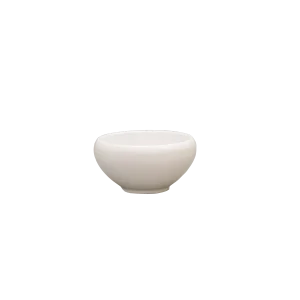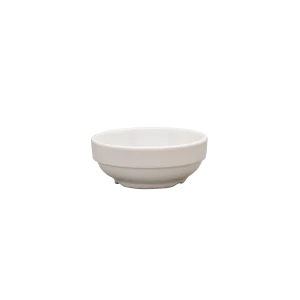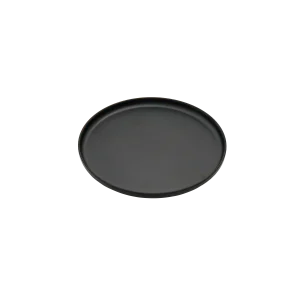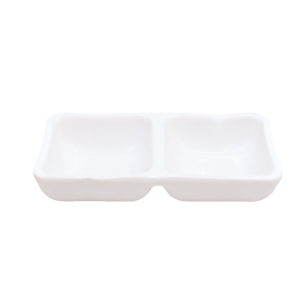
Introduction
As outdoor dining and resort hospitality take center stage in modern food service, event planners and hospitality procurement managers face a unique operational challenge: finding durable, stylish tableware that can survive high-traffic outdoor environments. High-quality pool party plates have shifted from optional seasonal accessories to critical infrastructure for summer catering supply chains.
Unlike traditional indoor dining setups, poolside catering demands specialized dinnerware capable of handling moisture, constant movement, and the high risks of poolside accidents. Investing in wholesale, shatter-resistant solutions directly impacts your presentation quality, guest safety, and bottom-line operational costs.
What Are Pool Party Plates
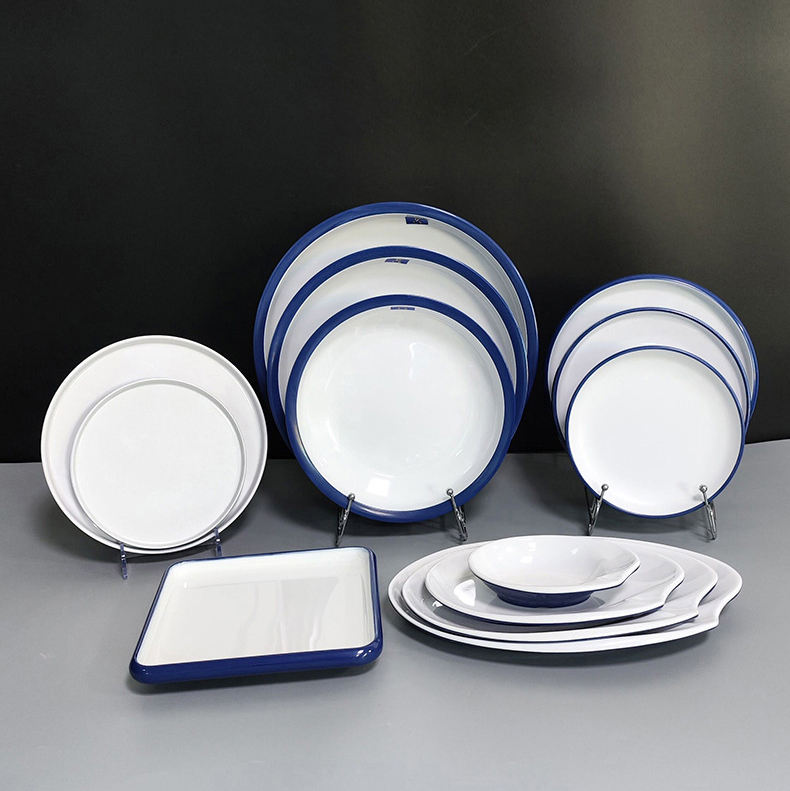
In commercial hospitality, professional pool party plates are engineered to bridge the gap between structural durability and high-end aesthetics. Unlike standard household paper or fragile ceramic options, commercial-grade poolside plates are optimized for stability under high-volume use.
Leading wholesale manufacturers typically utilize three primary materials to meet rigorous hospitality safety and compliance standards:
- Commercial Melamine: The industry standard for high-volume resort dining, offering a ceramic-like look with extreme shatter resistance.
- Heavy-Duty Reusable Plastics (Polycarbonate/Polypropylene): Lightweight options optimized for fast-paced, high-turnover casual events.
- Premium Biodegradable Fiber: Compostable alternatives (such as bagasse and sugarcane pulp) tailored for eco-conscious corporate events and green weddings.
Commercial Use Scenarios
Pool party plates are widely used across the hospitality and catering industry:
- Hotel poolside buffet service
- Resort summer dining programs
- Outdoor BBQ catering events
- Beach weddings and private parties
- Catering rental companies and wholesale distributors
- Cruise ship and leisure hospitality services
These environments require consistent performance under high traffic and outdoor conditions.
Market Trends Driving Pool Party Plates Wholesale Demand
Expansion of Outdoor Dining Culture
Outdoor dining has shifted from a seasonal activity to a year-round hospitality strategy in many regions. Resorts and hotels increasingly design themed poolside dining experiences to attract guests and increase spending per visit.
Key drivers include:
- Growth in experiential hospitality
- Increased demand for resort-style dining
- Expansion of private catering services
Shift Toward Durable and Reusable Tableware
A major trend in the catering industry is the transition from fragile or disposable tableware toward durable reusable materials.
Melamine-based products dominate this shift because they offer:
- Long service life
- Reduced replacement costs
- Improved logistics efficiency
This makes them highly suitable for wholesale buyers and catering operators.
Seasonal Procurement Behavior
Demand for pool party plates is highly seasonal:
- Peak ordering period: April to August
- Procurement lead time: 2–3 months before peak season
- High demand sectors: resorts, event planners, catering rental companies
Understanding this cycle is essential for inventory planning and wholesale distribution.
Material Comparison: Pool Party Plates Options
Premium Melamine Plates
Melamine remains the dominant choice for wholesale buyers due to its unmatched cost-per-use value and premium tactile feel.
- The Pros: It features an upscale, ceramic-like gloss that elevates food presentation while remaining completely shatterproof. It is highly resistant to scratching from metal cutlery and stands up to commercial dishwasher cycles.
- The Cons & Operational Limits: Melamine is not microwave or oven-safe. Exposure to direct microwave radiation can degrade the material over time, meaning food must be plated after heating.
Eco-Friendly Biodegradable Plates
As sustainability targets influence corporate event planning, plant-fiber alternatives are seeing a massive surge in procurement volumes.
- The Pros: Options made from sugarcane bagasse or pressed palm leaves are 100% compostable, eliminating clean-up times and aligning perfectly with green corporate branding.
- Best-Use Cases: Ideal for high-end eco-weddings, music festivals, and one-time large-scale catering events where reusable logistics are unavailable.
Plastic Plates
Plastic plates remain widely used in cost-sensitive catering scenarios.
Advantages:
- Low production cost
- Lightweight
- Easy for disposable service
Limitations:
- Lower aesthetic value
- Less suitable for premium events
Ceramic Plates
Ceramic plates provide high aesthetic value but are rarely used in poolside environments due to:
- High breakage risk
- Heavy weight
- Safety concerns near water
Procurement Decision Factors for Catering Buyers
When selecting pool party plates for wholesale use, buyers typically evaluate multiple operational factors:
- Durability under frequent use
- Cost per use over time
- Stackability and storage efficiency
- Food safety compliance
- Visual design consistency for branding
- Logistics and transportation efficiency
These factors directly impact operational cost and service quality in catering businesses.
Why Melamine Pool Party Plates Dominate the Wholesale Market
Safety in Poolside Environments
Poolside catering requires strict safety standards. Melamine plates significantly reduce breakage risk compared to glass or ceramic materials, making them ideal for environments with water, movement, and high guest traffic.
Lightweight and Logistics Efficiency
For catering companies, transportation efficiency is critical. Melamine reduces:
- Shipping weight
- Storage space requirements
- Breakage-related losses during transport
This improves overall operational efficiency.
Ceramic-Like Visual Appeal
Modern manufacturing techniques allow melamine products to replicate ceramic-style textures and finishes. This helps catering businesses maintain a premium visual experience without increasing fragility.
Cost Efficiency for Bulk Operations
For wholesale buyers, melamine plates offer strong long-term value because they can be reused across multiple events, significantly reducing replacement frequency and total operating cost.
How Pool Party Plates Improve Catering Operations
Faster Service Workflow
Standardized plate systems allow catering teams to serve guests more efficiently, especially in buffet-style environments.
Reduced Breakage and Waste
Durable materials reduce product loss, which is particularly important in high-volume catering events.
Enhanced Guest Experience
Stable, well-designed tableware improves:
- Dining comfort
- Visual presentation
- Overall event satisfaction
Stronger Event Branding
Coordinated tableware contributes to a more professional and visually consistent event presentation.
How to Choose Pool Party Plates
Key Purchasing Considerations
- Minimum order quantity (MOQ)
- Material performance testing
- Heat resistance for catering use
- Stackability for logistics efficiency
- Design and branding consistency
OEM and ODM Customization
Many wholesale buyers require customized solutions, including:
- Logo printing
- Color customization
- Packaging design
- Exclusive product development
These services are especially important for catering brands and hospitality chains.
Supplier Evaluation Criteria
When selecting a supplier, businesses should assess:
- Production capacity stability
- Export experience
- Quality control systems
- Delivery reliability
- Compliance with international food safety standards
Why Dongyu Technology is a Reliable Wholesale Supplier
Dongyu Technology is a professional manufacturer specializing in melamine tableware and wholesale catering solutions for global markets.
Large-Scale Manufacturing Capability
The company supports high-volume production suitable for hospitality chains, catering distributors, and event suppliers.
OEM/ODM Customization Services
Dongyu provides flexible customization options tailored to different market needs, including branding and design development.
Export-Oriented Production Standards
Products are designed for international catering use, supporting global hospitality supply chains.
Stable Supply Chain Support
For seasonal industries like summer catering, stable production and delivery capacity are essential advantages.
Real-World Applications of Pool Party Plates
Hotel and Resort Dining
Used in buffet service and poolside dining operations.
BBQ and Outdoor Catering Events
Ideal for casual and semi-formal outdoor dining setups.
Wedding and Event Catering
Supports themed presentations and coordinated table design.
Catering Rental Businesses
Reusable materials reduce long-term operational costs and improve profitability.
Conclusion
Pool party plates have become a core component of modern summer catering operations. Their importance extends beyond basic tableware functionality into areas such as safety, branding, logistics efficiency, and guest experience.
Melamine remains the dominant material in the wholesale market due to its balance of durability, appearance, and cost efficiency. With strong manufacturing capabilities and customization support, Dongyu Technology plays an important role in supporting global catering supply chains. As outdoor hospitality continues to grow, demand for high-quality pool party plates will remain strong across hotels, resorts, and catering businesses worldwide.
FAQs
Are commercial pool party plates completely reusable
Yes. Commercial pool party plates manufactured from high-grade melamine or heavy-duty polycarbonate are engineered for hundreds of runs through commercial dishwashers, making them a highly cost-effective, long-term asset for catering operators.
Can melamine pool party plates hold hot food
Yes, food-grade melamine plates safely handle standard hot food serving temperatures up to 70°C (158°F). However, they should never be placed inside microwaves, conventional ovens, or exposed to direct flame.
What is the best material for poolside catering plates
Melamine is widely considered the most balanced option for durability, safety, and aesthetics.
Are melamine plates food-safe
Food-grade melamine used in professional manufacturing is commonly used in the global catering industry.