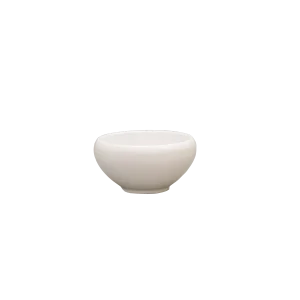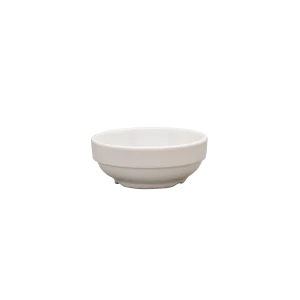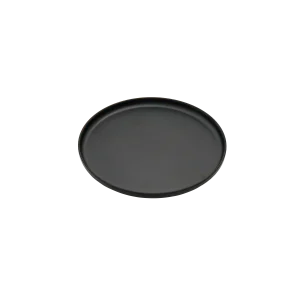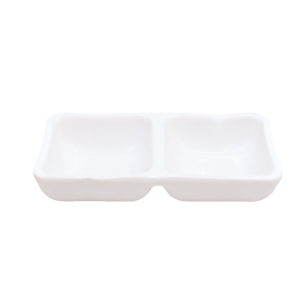
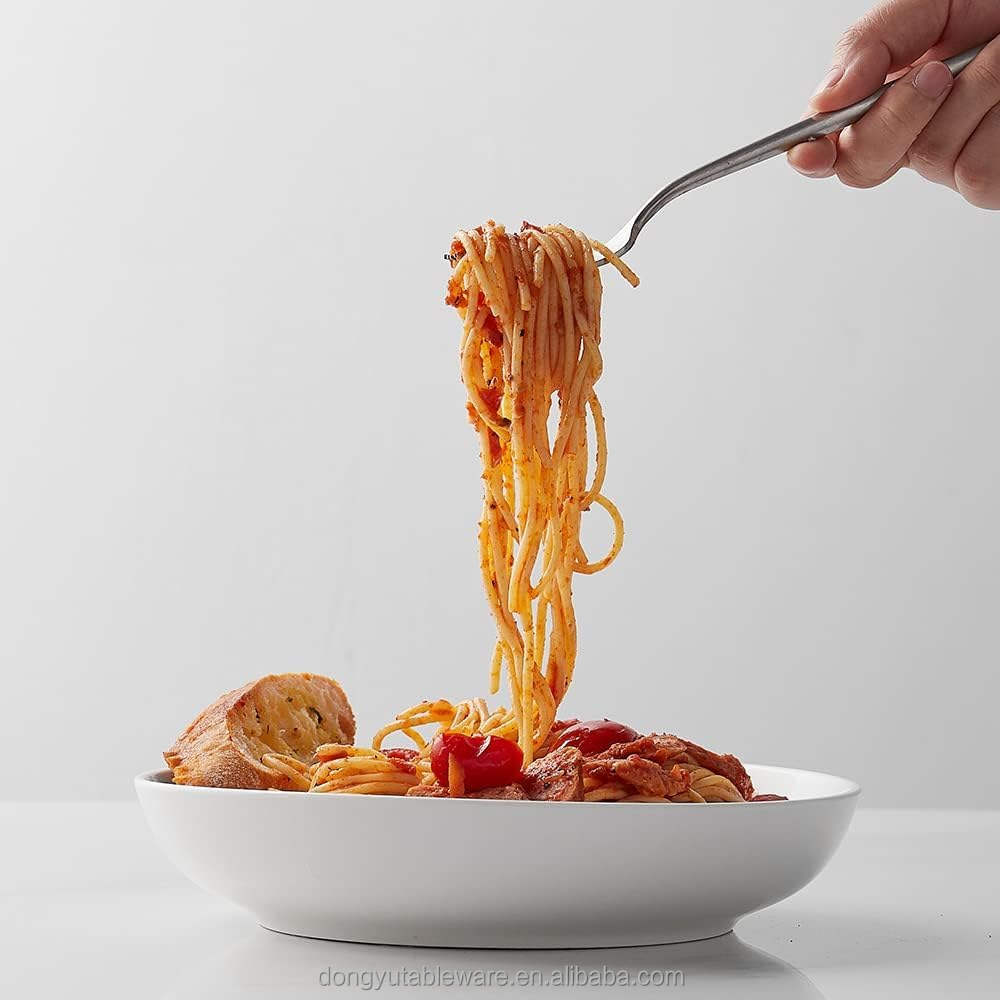
Dining on a boat comes with a completely different set of rules than eating on land. Between the boat’s constant movement, tight galley cabinets, salty air, and the reality of eating out on an open deck, standard plates just don’t cut it. Ceramic and glass dishes look beautiful on a dining room table, but they turn into literal safety hazards the moment a sudden wake or a sharp turn sends them sliding across the cockpit.
That is why high-quality nautical melamine dinnerware is the standard choice for yacht owners, charter captains, and marine hospitality crews. It is incredibly tough, light, and looks so much like real porcelain that you do not have to sacrifice a luxury aesthetic just to keep things safe on the water.
Why Ordinary Dinnerware Fails at Sea
Many new boat owners make the mistake of packing their old household dishes into the galley, assuming they will work fine. It usually only takes one rough trip to realize why that is a bad idea.
The movement problem
Meals at sea happen on a moving platform. Even on flat water, you still have to deal with engine vibrations, rolling, pitching, and unexpected wakes from passing boats.
These movements cause plates and bowls to slide around or fly off the counters. When glass or ceramic shatters in a tight cabin, the tiny fragments slide into floor cracks and under cushions, making them almost impossible to clean up safely.
Limited galley space
Storage space is at a premium on any vessel, whether you are on a weekend sailboat or a multi-deck motor yacht. Galley cabinets are small, and heavy stoneware adds unnecessary weight to the boat, which drags down your fuel efficiency over time.
Salt and sun
The marine environment ruins ordinary gear. Tableware on a boat is constantly exposed to salt air, high humidity, direct UV rays, and temperature shifts. Materials designed for a house degrade fast out here, which is why experienced boaters swap them out for specialized marine tableware.
What Is Nautical Melamine Dinnerware
Nautical melamine is tableware specifically engineered to handle life on the water. Premium brands build these sets using 100% A5 grade pure melamine resin. Unlike cheap plastic dinnerware that is mixed with urea-formaldehyde filler, pure A5 melamine stands up to high heat and absorbs heavy impacts without cracking.
It is a heavy-duty, BPA-free material molded under immense pressure to mimic the heavy weight, high-gloss shine, and smooth texture of fine porcelain—minus the fragility. Because they are built for boats, these collections usually feature classic coastal colors, navy themes, or clean, minimalist yacht designs.
Core features
- It is lightweight: Melamine is a fraction of the weight of ceramic or glass. This makes it much easier for the crew to carry heavy stacks of plates up to the flybridge, and it keeps your overall cabinet weight down.
- High impact resistance: It can take a beating. While no plastic is entirely indestructible, high-grade melamine won’t shatter when it slips out of a cabinet or gets dropped on a teak deck.
- High-end look: Modern manufacturing techniques mean you can buy melamine that looks exactly like fine porcelain or rustic stoneware. You can host an elegant dinner party without worrying about a stray wave ruining your expensive plates.
- Dishwasher safe: Most premium options can go right into the dishwasher, which makes cleaning up after a long day on the water quick and easy.
- Food safe: Quality marine suppliers ensure their dinnerware is completely BPA-free and certified for repeated food contact.
Why Yacht Owners Prefer Shatterproof Dinnerware
Switching to melamine comes down to plain common sense, safety, and long-term costs.
Better safety on deck
Safety is the number one reason to banish glass and porcelain from a boat. Broken shards cause deep cuts and slip hazards in tight spaces, especially when barefoot guests are walking around the deck. Shatterproof plates remove that danger completely.
Lower replacement costs
Replacing broken dishes gets expensive quickly, particularly for charter fleets, yacht clubs, or people who live aboard their boats for months at a time. Tough melamine lasts for years without chipping, saving a lot of money over time.
A better experience for guests
Guests want to relax and enjoy their food, not spend the whole dinner holding onto their bowls so they don’t slide away. A coordinated melamine set looks sharp and keeps the atmosphere relaxed and functional.
Ideal for dining topside
Most of the best meals on a yacht happen outside—whether that is on the flybridge, the cockpit seating area, or down by the beach club. Melamine fits these spaces perfectly because an accidental drop on a hard deck won’t ruin the afternoon.
What to look for when buying marine dinnerware
Not all melamine is manufactured to the same standard. If you are outfitting a galley, keep these specific features in mind.
True shatterproof construction
Durability should be your main priority. Look for commercial-grade melamine designed to withstand constant handling, rough seas, and outdoor conditions. It performs vastly better over time than cheap, thin plastic plates from a local big-box store.
Non-slip bases
This is a game-changer for boats. Many marine-specific dinnerware collections feature integrated non-slip silicone rings on the bottom of each piece.
This keeps your plates glued to the table when a sailing yacht heels over, and it stops the constant, annoying rattling noises inside your cabinets while the engines are running.
Stackable and nesting shapes
You need to maximize every inch of cabinet space. Look for flat-stacking plates and nesting bowls that slide inside one another seamlessly to keep your galley organized and prevent clutter.
Weather resistance
Topside dining means exposure to intense sunlight and salt spray. Make sure you choose high-quality materials that won’t fade, yellow, or crack after a few months in the sun.
Food safety certification
Never overlook food safety. Ensure the products meet the regular food-safety standards of your region. If you are buying for a commercial charter or resort, always ask the manufacturer for their compliance paperwork.
Comparing Common Yacht Dinnerware Materials
The following comparison illustrates why melamine has become one of the most popular choices for marine dining.
| Feature | Melamine | Ceramic | Glass | Stainless Steel |
|---|---|---|---|---|
| Break Resistance | Excellent | Poor | Poor | Excellent |
| Weight | Light | Heavy | Heavy | Medium |
| Storage Efficiency | High | Medium | Medium | Medium |
| Outdoor Use | Excellent | Fair | Fair | Excellent |
| Yacht Safety | Excellent | Low | Low | High |
Melamine
- Pros: Lightweight, highly durable, cost-effective, looks like fine porcelain, ideal for open decks.
- Cons: Can show fine surface wear after years of heavy knife use; cannot go in the microwave or oven.
Ceramic
- Pros: Traditional weight and premium feel.
- Cons: Heavy, breaks easily, hard to store securely in a moving galley.
Glass
- Pros: Elegant look.
- Cons: Shatters into dangerous shards; completely unsafe for open decks.
Stainless steel
- Pros: Virtually indestructible and completely rust-resistant if it is high-grade.
- Cons: Looks industrial; lacks the high-end dining look expected on a luxury vessel.
The right dinnerware for your boat type
Sailing yachts
Sailboats need lightweight gear, non-slip bases, and compact shapes. Because sailboats spend so much time moving at an angle, non-slip rings on the bottom of your plates are absolutely essential to keep your dinner in place.
Luxury motor yachts
Style and presentation matter immensely here. Motor yacht owners usually want fully coordinated sets with premium high-gloss finishes and subtle marine patterns that complement the boat’s interior design.
Charter boats
Charter captains need maximum durability because charter guests are notorious for being tough on gear. Commercial-grade melamine is the standard choice here since it resists chipping and is easy to replace uniformly if a piece goes missing over the side.
Catamarans
Catamarans are built for entertaining large groups on the aft deck or trampoline nets. Large serving platters, light construction, and easy-to-clean surfaces help host crowds easily without cluttering the galley.
Common boat dinnerware mistakes
Selecting the wrong dinnerware can create ongoing frustration onboard.
Choosing Style Over Function
Attractive designs are important, but durability and stability should come first.
The most beautiful plate provides little value if it breaks after a few trips.
Ignoring Storage Limitations
Oversized dinnerware may not fit existing cabinets and storage compartments.
Always measure available storage space before purchasing complete sets.
Overlooking Anti-Slip Features
Many buyers focus only on appearance.
However, anti-slip functionality can significantly improve onboard usability.
Buying Non-Marine Products
General household melamine may not offer the same performance benefits as products selected specifically for marine environments.
Marine-focused collections often incorporate features designed for onboard use.
Assuming All Melamine Is the Same
Quality varies between manufacturers.
Differences may include:
- Material thickness
- Surface finish quality
- Manufacturing standards
- Durability performance
Evaluating suppliers carefully helps ensure long-term satisfaction.
How to take care of your melamine
What to do
- Clean them quickly: Rinsing food residue off early prevents staining and keeps the glaze looking bright.
- Use mild soap: Soft sponges and standard dish soap keep the surface smooth and shiny.
- Stack them properly: Nesting them correctly prevents unnecessary scuffing while the boat vibrates.
What to avoid
- Abrasive pads: Avoid steel wool or green scrubbing pads, which will scratch the glossy finish over time.
- Direct heat: Never use melamine in the microwave, oven, or over an open flame.
- Harsh chemicals: Stay away from heavy chlorine bleach or industrial chemical cleaners.
Conclusion
Life on the water requires gear that can handle movement, tight spaces, and harsh salt water. Traditional household dishes just aren’t built for it. Nautical melamine dinnerware offers the ideal mix of shatterproof durability, low weight, and high-end style.
Whether you manage a commercial charter fleet or own a private catamaran, investing in quality marine tableware keeps your guests safe, cuts down on replacement costs, and keeps your table looking sharp. For custom designs or bulk orders, manufacturers like Dongyu offer OEM and ODM melamine solutions built specifically for the needs of the modern boating and marine hospitality industries.