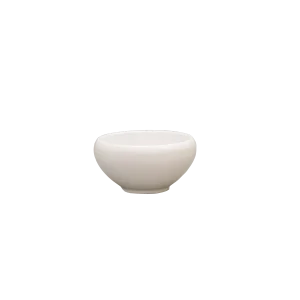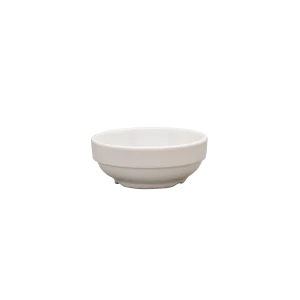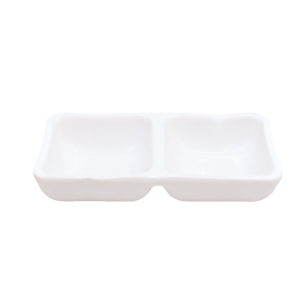
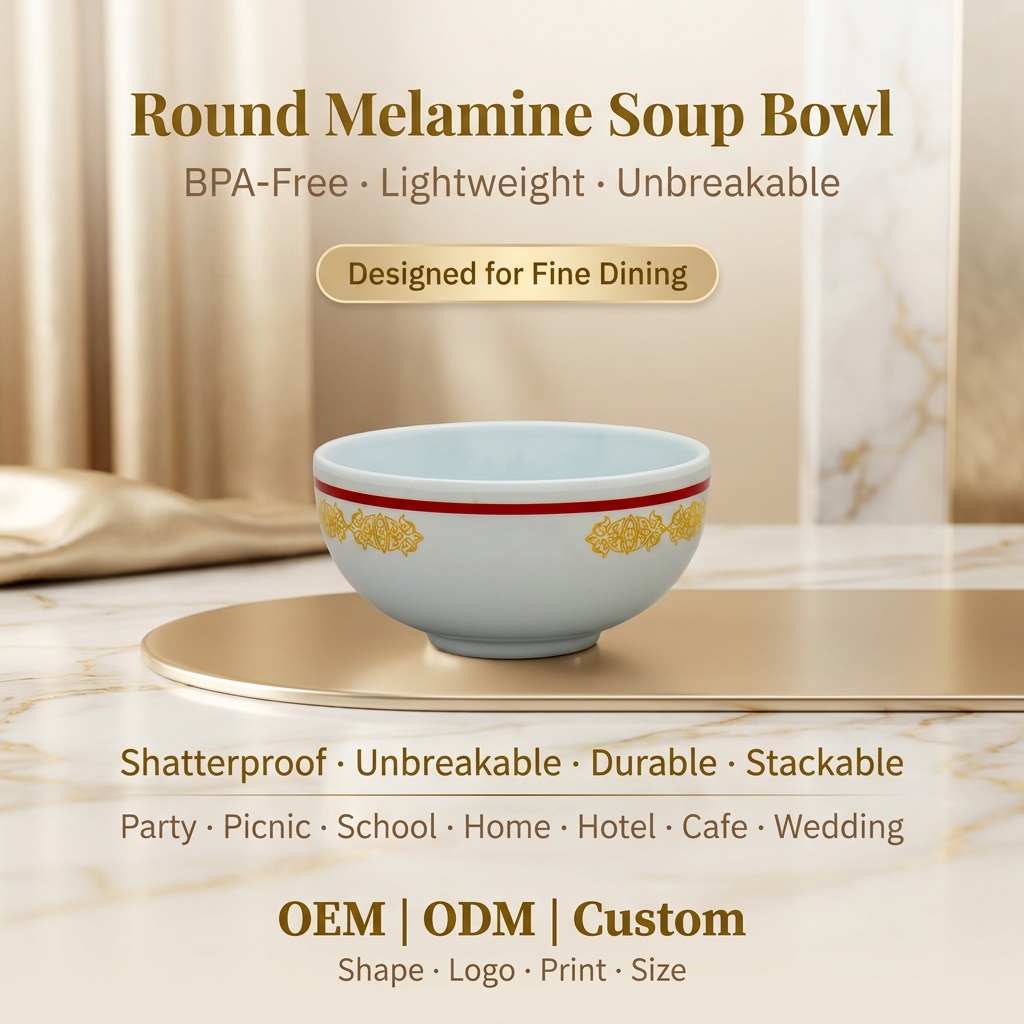
Running a restaurant chain is very different from operating a single location. Every decision—from menu design to tableware purchasing—affects operating efficiency, customer experience, and long-term costs. While food quality remains the priority, many restaurant operators eventually realize that serving ware also plays an important role in daily service.
Among the many choices available today, melamine serving bowls have become a practical option for restaurants, hotels, cafés, school cafeterias, buffet lines, and catering businesses. They offer a combination of durability, light weight, and attractive appearance that suits busy commercial environments where tableware is used repeatedly throughout the day.
This article shares practical insights into why restaurant chains increasingly choose melamine serving bowls, what purchasing teams should evaluate before placing bulk orders, and how manufacturers such as Dongyu Technology support businesses looking for consistent long-term supply.
Why Restaurant Chains Need More Than Attractive Tableware
When customers visit a restaurant, they usually notice the food first. However, restaurant managers often pay equal attention to the tableware because it directly affects daily operations.
For businesses operating dozens or even hundreds of locations, every bowl should deliver consistent performance. A bowl that chips easily, stains quickly, or varies in size between production batches can create unnecessary costs across the entire business.
Daily restaurant operations involve much more than serving food. Staff members constantly transport dishes between kitchens and dining areas, stack bowls after washing, prepare buffet stations, and move tableware during peak service hours. Under these conditions, commercial tableware experiences much heavier use than household products.
This explains why purchasing departments often evaluate tableware based on factors such as:
- Durability during daily handling
- Consistent appearance across multiple orders
- Ease of cleaning
- Weight for staff convenience
- Suitability for commercial dishwashers
- Long-term replacement planning
Instead of selecting products only because they look attractive, restaurant chains usually focus on the total lifecycle of the products.
Common Daily Scenarios Where Melamine Serving Bowls Perform Well
Different food service businesses have different operating requirements. One advantage of melamine serving bowls is their ability to adapt to a wide variety of dining environments.
Buffet Restaurants
Buffets require serving bowls that remain presentable while being handled continuously throughout meal periods.
Large salad bowls, fruit bowls, pasta bowls, and side dish bowls are frequently refilled by staff. Lightweight tableware makes transportation easier while reducing fatigue during busy service hours.
The smooth surface of quality melamine products also helps simplify cleaning after service.
Family Restaurant Chains
Family restaurants often serve:
- Salads
- Rice dishes
- Soups
- Noodles
- Shared appetizers
- Side vegetables
Because tables are constantly turned over throughout the day, serving bowls are washed, stacked, and reused many times.
Compared with heavier ceramic alternatives, melamine bowls are generally easier for servers to carry in larger quantities.
Hotel Breakfast Service
Breakfast service is usually one of the busiest periods for hotels.
Serving bowls are commonly used for:
- Fresh fruit
- Yogurt toppings
- Breakfast cereals
- Bread accompaniments
- Salads
Hotels often prefer coordinated tableware collections that maintain a consistent appearance across breakfast rooms and banquet facilities.
Manufacturers capable of producing matching serving bowls, plates, trays, and other dining accessories can simplify purchasing for hospitality businesses.
School and University Dining
Educational dining facilities serve hundreds or even thousands of meals every day.
Tableware used in these environments should support efficient cleaning, organized storage, and frequent reuse.
Because melamine serving bowls are relatively lightweight, they are easier for cafeteria staff to transport during meal preparation and cleanup.
Catering Events
Catering companies regularly transport tableware between kitchens and event venues.
Reducing transport weight can improve operational efficiency, especially when serving large weddings, conferences, or outdoor events.
Serving bowls that stack efficiently can also help maximize storage space inside transport containers.
What Purchasing Managers Usually Look for Before Ordering
Choosing commercial serving bowls involves more than selecting a color or shape.
Experienced purchasing managers often evaluate suppliers using several practical standards.
Product Consistency
Restaurant chains expect products delivered this year to match products delivered next year.
Consistent dimensions help ensure that bowls fit existing storage racks, serving stations, and display systems.
Uniform colors also help restaurants maintain their brand image across multiple locations.
Material Quality
Commercial buyers generally prefer tableware manufactured from high-quality melamine compounds intended for food-contact applications.
Quality raw materials contribute to:
- Better surface finish
- Improved stain resistance
- Consistent color
- Long-term appearance under daily commercial use
Understanding the manufacturer’s production process can help buyers evaluate product consistency before placing large-volume orders.
Dishwasher Compatibility
Commercial kitchens rely heavily on dishwashers to maintain efficiency.
Many quality melamine products are designed for repeated dishwasher use when operated according to the manufacturer’s care recommendations.
Following appropriate washing temperatures and avoiding abrasive cleaning tools can help extend the service life of commercial tableware.
Restaurant operators should always follow the care instructions provided by the supplier for their specific products.
Stackability
Storage space is valuable in commercial kitchens.
Serving bowls that stack neatly help reduce storage requirements while making inventory management easier.
Good stacking design can also reduce movement during transportation and improve organization inside kitchen shelving systems.
Supply Stability
Restaurant chains often expand gradually.
Purchasing managers may need additional tableware months after the original order.
Working with manufacturers that maintain stable production capability helps reduce concerns about discontinued products or inconsistent production batches.
This becomes especially important when opening new restaurant locations that need to match existing stores.
Why OEM and ODM Services Matter for Growing Restaurant Chains
As restaurant businesses expand, their tableware needs often become more specialized. A single-location restaurant may purchase standard products directly from a catalog, but a regional or national chain usually requires greater consistency across all locations. This is where OEM and ODM services become valuable.
Instead of choosing whatever is readily available, restaurant operators often look for manufacturing partners that can support customized requirements while maintaining stable production quality over the long term.
For example, a restaurant chain may want to:
- Match serving bowl colors with its brand identity.
- Develop specific bowl sizes for standardized food portions.
- Coordinate serving bowls with matching plates, trays, and platters.
- Add logos or embossed branding where appropriate.
- Ensure identical products are supplied when opening new restaurant locations.
Achieving these goals requires close cooperation between the restaurant and the manufacturer throughout product development, including design discussions, sample evaluation, production planning, and quality inspection.
Manufacturers like Dongyu Technology, which specialize in commercial melamine tableware and offer OEM/ODM manufacturing services, can support businesses that need long-term product consistency rather than one-time purchases.
Choosing the Right Bowl Size for Different Menu Items
Selecting commercial serving bowls is not simply a matter of aesthetics. Bowl dimensions affect food presentation, portion consistency, storage efficiency, and even kitchen workflow.
Experienced purchasing teams usually evaluate serving bowls according to the menu they serve every day.
Fresh Salads
Large salads benefit from wide, open bowls that make ingredients easier to toss while presenting colorful vegetables attractively.
Restaurants serving salads for sharing also consider whether serving utensils can rest comfortably inside the bowl without making it difficult for guests to help themselves.
Rice and Grain Dishes
Rice bowls should match the restaurant’s standard serving size.
Bowls that are too deep may make normal portions appear smaller than intended, while bowls that are too shallow can make food look crowded and reduce presentation quality.
Many restaurant brands request several sample sizes before finalizing their bulk order.
Noodle Dishes
Noodles are often served with broth, vegetables, meat, seafood, and garnishes.
The bowl should provide sufficient capacity while remaining comfortable for servers to carry during busy meal periods.
Finding the right balance between diameter and depth also improves the overall dining experience.
Shared Side Dishes
Restaurants specializing in family-style dining frequently use serving bowls for vegetables, appetizers, sauces, and shared side dishes.
Since these bowls are continuously washed, stacked, and reused throughout the day, good stackability becomes an important feature that helps save storage space and speeds up kitchen organization.
Consistency Creates a Better Dining Experience
Customers may not consciously examine every piece of tableware, but they do notice when something feels inconsistent.
Different shades of white, varying gloss levels, or mismatched bowl shapes can make the dining environment appear less organized.
For restaurant chains, maintaining visual consistency helps reinforce the overall brand experience.
When evaluating commercial tableware, purchasing managers often pay attention to details such as:
- Surface texture
- Rim design
- Color consistency between production batches
- Gloss level
- Shape uniformity
- Overall coordination with other tableware
Classic, practical designs often remain suitable for restaurants far longer than products based on short-term design trends.
Kitchen Storage and Workflow Are Equally Important
Commercial kitchens operate within limited storage space, making efficient organization essential.
Before placing a bulk order, kitchen managers often ask practical questions that directly affect daily operations:
- How many bowls can be stacked safely?
- Will they fit existing shelving systems?
- Are they compatible with commercial dishwasher racks?
- Can staff carry multiple bowls comfortably during service?
- Will future replacement orders have the same dimensions?
Although these considerations may seem minor individually, they have a cumulative impact on efficiency across multiple restaurant locations.
Choosing melamine serving bowls with practical stacking and storage characteristics can help streamline daily operations while reducing unnecessary handling.
How Dongyu Technology Supports Commercial Tableware Projects
For commercial buyers, selecting a manufacturer involves more than comparing product photos. Production capability, communication, and long-term reliability are equally important.
Dongyu Technology focuses on the manufacturing of melamine tableware for commercial food service applications. Its product range includes serving bowls, dinner plates, trays, platters, cups, and coordinated tableware collections designed for restaurants, hotels, catering companies, cafeterias, and other hospitality businesses.
Working directly with a manufacturer can simplify the development process, which typically includes:
- Product requirement discussions.
- Design and sample confirmation.
- Mold development when customization is required.
- Production scheduling.
- Quality inspection before shipment.
This structured workflow helps purchasing teams verify that finished products meet agreed specifications before entering commercial use.
For restaurant chains that regularly reorder tableware as they expand, maintaining consistency between production batches is often just as important as the initial product quality.
Building a Reliable Supply Chain Goes Beyond Price
Price naturally plays an important role in commercial purchasing, but experienced procurement managers rarely make decisions based solely on the lowest quotation.
Instead, they evaluate the total value a supplier can provide over many years of cooperation.
Typical evaluation questions include:
- Can the manufacturer maintain consistent quality across multiple production batches?
- Is communication responsive when product adjustments are needed?
- Can production schedules support seasonal purchasing peaks?
- Does the supplier have experience handling international shipments and export packaging?
- Are production samples representative of large-scale manufacturing?
A dependable manufacturing partner helps reduce uncertainty throughout the procurement process.
For growing restaurant chains, stable supply, predictable quality, and efficient communication often contribute more to long-term operational success than simply achieving the lowest purchase price. These factors help ensure that new restaurant locations can maintain the same dining experience as existing stores while simplifying future replenishment planning.
Scale Restaurant Chains: Reliable Melamine Serving Bowls Supply
How to Evaluate a Melamine Tableware Manufacturer
Choosing the right supplier is an important decision for restaurant chains, especially when tableware needs to be replenished over many years. Looking beyond product photos and pricing can help purchasing teams build a more reliable supply chain.
Here are several practical aspects worth evaluating before placing a bulk order.
Manufacturing Experience
Commercial tableware production differs from household tableware manufacturing. Restaurant products are used more frequently, cleaned more often, and expected to maintain a consistent appearance over time.
A manufacturer with experience serving commercial customers is generally more familiar with these requirements and understands the expectations of restaurants, hotels, and catering companies.
Product Range
Restaurant chains rarely purchase only one product.
A supplier that offers a complete range of tableware—including melamine serving bowls, plates, platters, trays, cups, and matching accessories—can simplify procurement and help maintain a consistent dining presentation across different menu categories.
Working with fewer suppliers may also make communication and inventory planning more efficient.
Customization Capability
As restaurant brands grow, customization often becomes increasingly important.
Purchasing teams may eventually require:
- Exclusive colors
- Customized dimensions
- Matching product collections
- Brand-specific surface designs
- New product development for seasonal menus
Choosing a manufacturer with established OEM and ODM capabilities makes future product expansion more straightforward.
Communication Efficiency
Commercial purchasing projects often involve multiple departments, including procurement, operations, quality management, logistics, and design.
A supplier that responds clearly and efficiently during sample confirmation and production planning can help reduce delays throughout the purchasing process.
Clear communication also makes it easier to solve issues before production begins.
Daily Care Tips That Help Extend Service Life
Even durable commercial tableware performs better when it is properly maintained.
Many restaurants include tableware care procedures as part of their daily operating standards to help keep products in good condition.
Some practical recommendations include:
- Follow the manufacturer’s cleaning and care instructions.
- Use commercial dishwashers according to recommended operating conditions.
- Avoid abrasive cleaning pads that may damage the surface finish.
- Store bowls carefully to reduce unnecessary impact during transportation.
- Rotate inventory when practical so tableware experiences relatively even usage over time.
These routine practices can help restaurants maintain a consistent appearance across their dining rooms while supporting long-term operational efficiency.
Sustainability and Long-Term Purchasing Considerations
Many restaurant operators today are looking beyond immediate purchasing costs and considering the longer service life of commercial equipment and tableware.
Products that remain usable over extended periods may help reduce replacement frequency, which can simplify purchasing schedules and inventory management.
When evaluating commercial tableware, procurement teams often consider factors such as:
- Durability under daily commercial use
- Ease of maintenance
- Availability of future replenishment
- Consistency between production batches
- Long-term supplier reliability
These considerations support more stable operations as restaurant businesses continue to grow.
Why Long-Term Partnerships Matter
Restaurant expansion is rarely completed within a single year.
New locations open gradually, menus evolve, and customer expectations change over time.
Because of this, many restaurant groups prefer working with manufacturing partners that can support ongoing product development rather than simply fulfilling one purchase order.
A long-term partnership can make it easier to:
- Reorder existing products.
- Develop complementary tableware collections.
- Maintain consistent product quality.
- Support new restaurant openings.
- Simplify communication across future purchasing projects.
For manufacturers such as Dongyu Technology, supporting commercial customers often involves more than manufacturing tableware. It also includes working closely with buyers throughout product development, production planning, and repeat orders to help ensure a stable supply for growing businesses.
Conclusion
For restaurant chains, choosing commercial tableware is about much more than appearance.
Every serving bowl contributes to daily operations—from food presentation and kitchen workflow to storage efficiency and long-term purchasing costs.
Well-designed melamine serving bowls offer practical advantages for many commercial dining environments because they are lightweight, durable for everyday food service, and available in a wide variety of shapes and sizes suitable for different menu applications.
Equally important is selecting a manufacturing partner that can provide consistent quality, responsive communication, and reliable long-term production.
Whether supplying a single restaurant or supporting the expansion of multiple locations, careful planning during the purchasing process helps create a dining experience that remains consistent for both restaurant staff and customers.
As restaurant businesses continue to focus on operational efficiency and brand consistency, thoughtful tableware selection will remain an important part of successful commercial food service management.
Frequently Asked Questions
1. Why do restaurant chains often choose melamine serving bowls?
Many commercial food service businesses appreciate their lightweight construction, durability for everyday use, and wide range of available sizes and designs. These characteristics make them suitable for restaurants, hotels, cafeterias, buffets, and catering operations.
2. What should purchasing managers consider besides price?
Besides pricing, buyers often evaluate manufacturing experience, production consistency, communication efficiency, customization capability, product quality, and long-term supply stability.
3. Why is supply consistency important for restaurant chains?
Restaurant brands frequently open new locations and reorder tableware over time. Consistent products help maintain a unified brand image while simplifying inventory management and replacement planning.