Contact Us

Dongyu Tableware Products Co.,Ltd.

Address:No.66, Luowan Road, Hetang District, Zhuzhou City, Hunan Province,China

Tel:+86- 0731-22883213 Phone:+136 4743 1730 E-mail:info@dongyutechnology

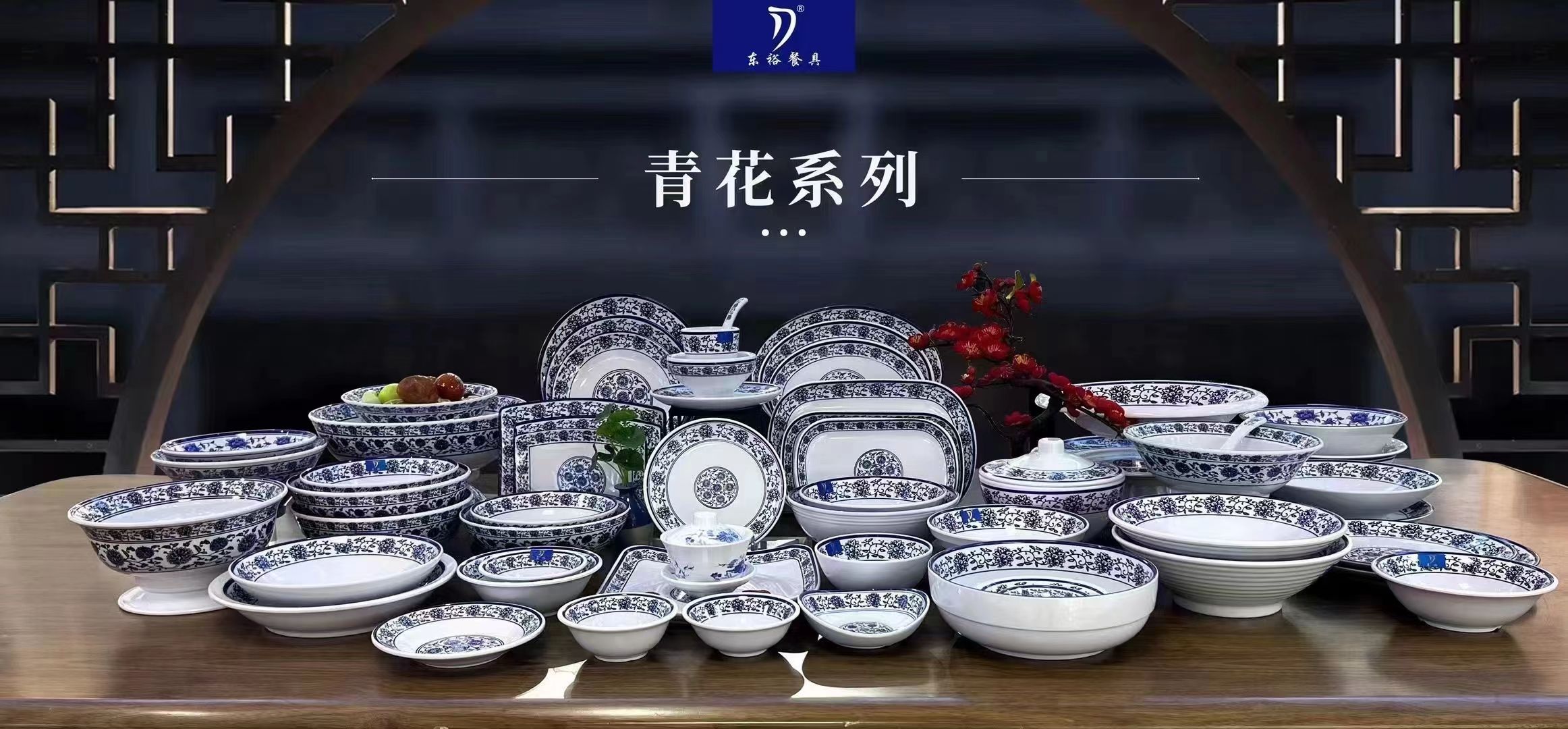
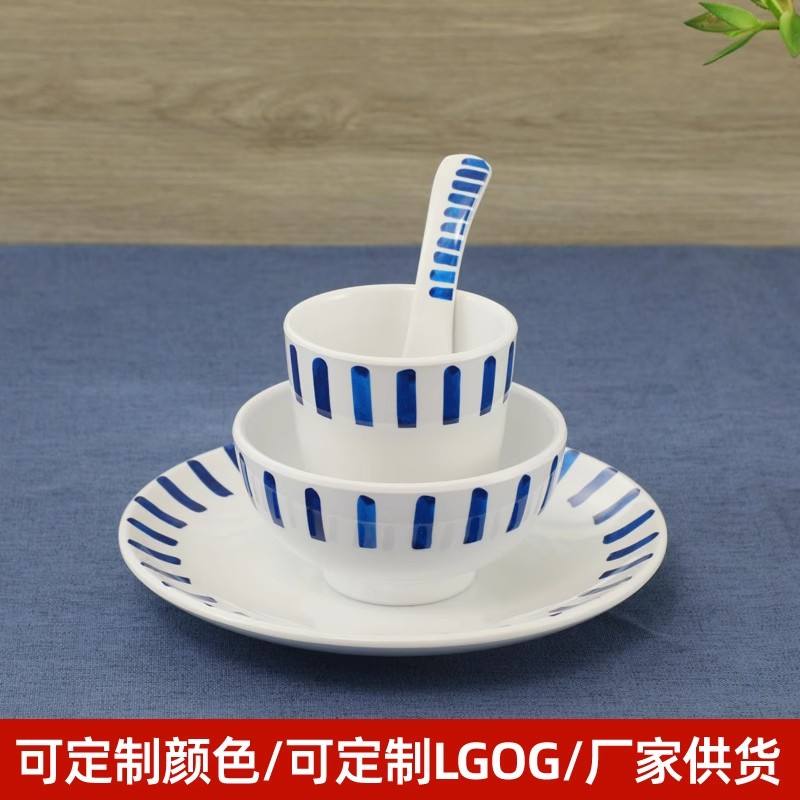
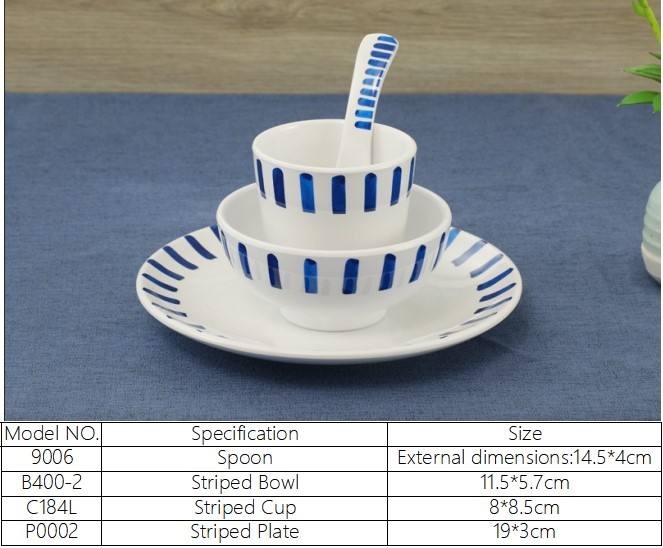
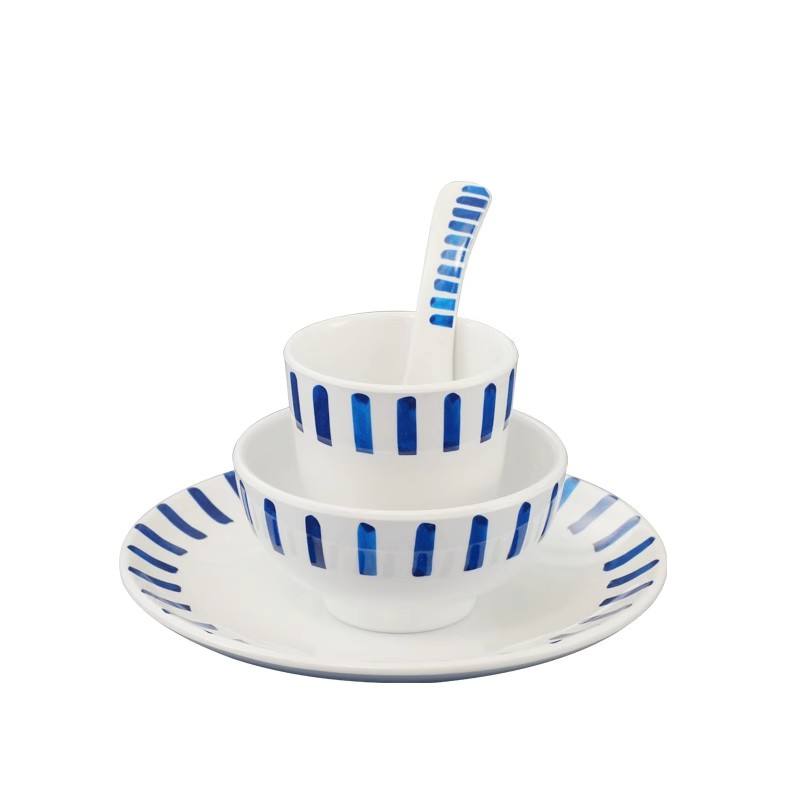
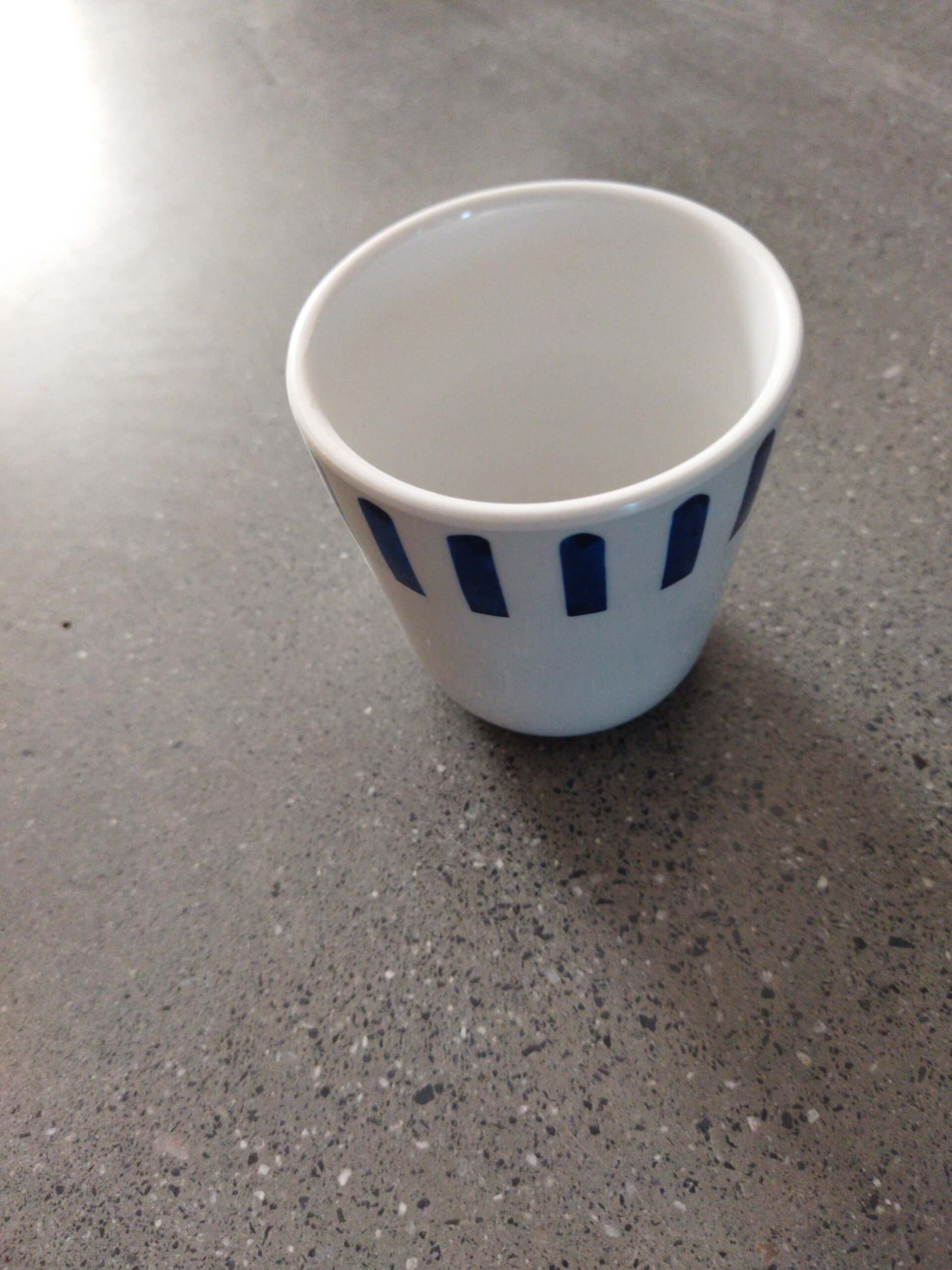
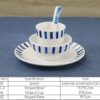
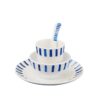
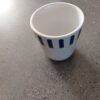
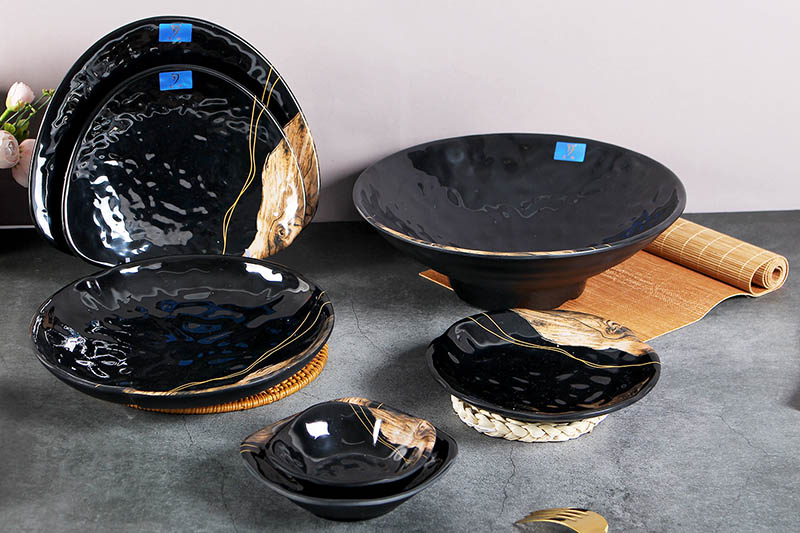
Hotel Classic Anti Porcelain Tableware Restaurant 4 Pieces Set Tableware Bowls Plates Dishes Melamine Dinnerset

SKU B400 Category Brand:

Market Advantages and Comparative Analysis of Melamine Tableware

Table of Contents (CONTENTS)

  1. Overview of Melamine Tableware
  2. Comparison: Melamine vs. Ceramic Tableware
  3. Comparison: Melamine vs. Wooden Tableware
  4. Comparison: Melamine vs. Stainless Steel Tableware
  5. Recommendations for High-Quality Melamine Tableware


Analytical & Melamine Material Properties

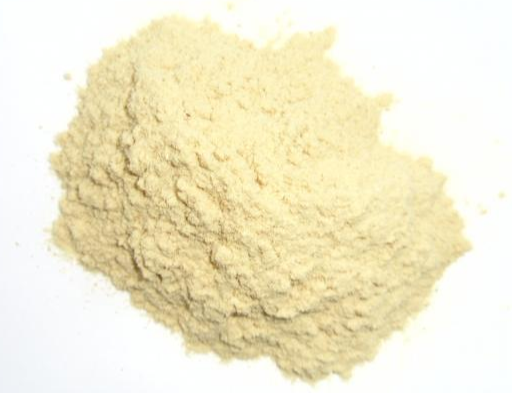
  • Melamine tableware, also known as imitation porcelain tableware, is formed by heating and pressing melamine resin powder under pressure.
  • With its lightweight, aesthetically pleasing, resistance to high and low temperatures, and shatterproof properties, it is widely used in the fast food industry and children’s catering industry, among others.
Characteristic
Description

Aesthetics

Diverse patterns, stable coloring, beautiful colors, good gloss, excellent texture, possessing the beauty of traditional porcelain.

Safety

Melamine products are safe to use, have no radiation, and long-term use has no adverse effects on the human body.

Melamine A5 Raw Material Advantages

  • High-Quality Raw Material: A5-grade pure material, high brightness, low impurities, presenting a premium porcelain-like effect.
  • Safety Assurance: Migration of melamine and formaldehyde is far below national and international standard limits.
  • Surface Quality: Smooth surface, resistant to oil stains, not prone to yellowing, remains like new even after long-term use.
  • International Certifications: Passed authoritative certifications such as LFGB (German Food Safety Standard), FDA (US Food and Drug Administration), SGS, BPA FREE, REACH.
  • Choosing tableware made from A5-grade melamine raw material not only provides a better user experience but also ensures the highest standards of food safety performance, allowing consumers to use it with peace of mind.

Differences Between Two Raw Materials

  1. Different Uses:
    • A5 Melamine: Can be used for tableware. (Note: Original text said “不可用于” (cannot be used) but context strongly implies this is incorrect and A5 is used for tableware. Translation corrected based on overall context and product focus).
    • A8 Melamine: Can be used for tableware, exquisite appearance, lightweight and heat-retaining, safe to use.
  2. Different Composition:
    • A5 Melamine: Contains 100% melamine resin.
    • A8 Melamine: Contains 100% melamine resin, non-toxic and odorless, heavier.
  3. Different Physical Properties:
    • A5 Melamine: Physical properties: resin raw material, reasonable price, not easily deformed at high temperatures, corrosion resistant. Temperature range: -20℃ to 120℃.
    • A8 Melamine: Physical properties: non-toxic, temperature range -30℃ to 120℃, impact resistant, corrosion resistant.
  • A3: A mixture of A1 + A5, relatively poor material quality, cheaper price.
  • A1: Non-food grade raw material, urea-formaldehyde resin. Cannot contact hot food, releases formaldehyde above 70°C. Surface has texture. Generally used for items like toilet seats, suitable for regions highly sensitive to price (e.g., Africa). Cannot pass national standards.
  • Our Commitment: We have two factories. Unlike other factories that produce both A5 and A1 material, our factory insists on only producing A5 material. Because it’s difficult to distinguish melamine tableware from urea-formaldehyde resin tableware by appearance, other factories mixing materials cannot be detected visually, only through testing. Our factory guarantees production using only A5 raw material, avoiding this situation and ensuring 100% A5 melamine material leaves the factory.
  • Quality Control: Compared to other melamine factories that may have only one or even no quality inspection step in the production process, our factory has established two quality inspection points, performing two full inspections, adhering to the EU standard quality management system.

Characteristics of Melamine Tableware

  • Material Properties: The chemical name is melamine, a thermosetting plastic. It has high hardness, heat resistance, impact resistance, and is suitable for various usage scenarios.
  • Decorative Advantages: Melamine tableware can feature rich patterns with bright and lasting colors. High-temperature manufacturing ensures patterns are fade-resistant, meeting personalized needs.
  • Safety Standards: Melamine tableware produced by Hunan Dongyu Melamine Tableware Company strictly adheres to national standards, is non-toxic and harmless, allowing consumers to use it with greater peace of mind.

Decal Process (8 Steps)

We employ a precise and rigorous decal process to ensure melamine tableware patterns are long-lasting and beautiful.
  1. Pattern Procurement: Select high-quality, environmentally friendly decal patterns, ensuring aesthetic design and material safety.
  2. Wiping & Positioning: Precisely wipe and position the decal pattern onto the tableware surface, ensuring correct placement and alignment.
  3. Post-Insertion Baking: Bake at a specific temperature to initially fix the decal, preventing movement or deformation.
  4. Setting: Use mechanical pressure or manual refinement to make the decal perfectly adhere to the tableware without bubbles.
  5. Trimming: Precisely trim excess decal edges to ensure neat pattern borders.
  6. Adhesion: Use special adhesive to further reinforce the decal, ensuring firm attachment.
  7. Inspection & Defect Removal: Manual inspection to pick out minor flaws such as bubbles or creases, ensuring pattern perfection.
  8. Ink Drying: Final drying of the ink layer to make patterns vibrant, surface smooth, and resistant to peeling.
This special process ensures the tableware patterns do not fade, crack, bubble, and remain like new for a long time.

Comparison: Melamine vs. Ceramic Tableware

Characteristics of Ceramic Tableware

Fragility

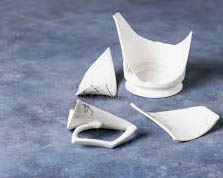
Ceramic tableware has a brittle texture and is easily broken. Not suitable for families with children. Requires extra care during use to avoid damage.
Cleaning Difficulty + High Transport Damage

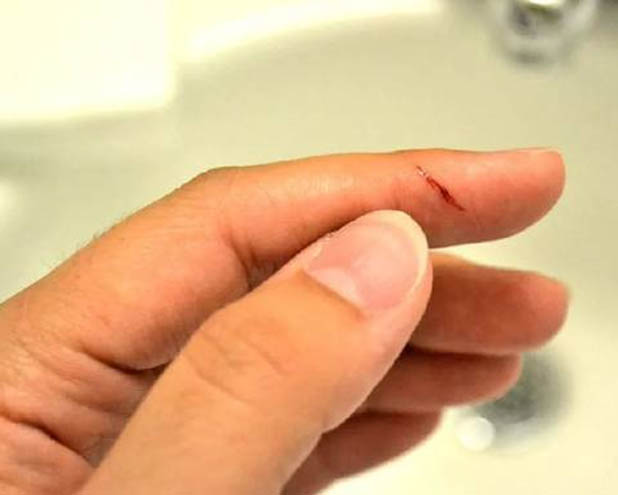
Ceramic surfaces easily retain stains; traces may remain after cleaning, making thorough cleaning difficult and affecting user experience. Highly prone to breakage during transport, carrying high risk.
Color Limitations

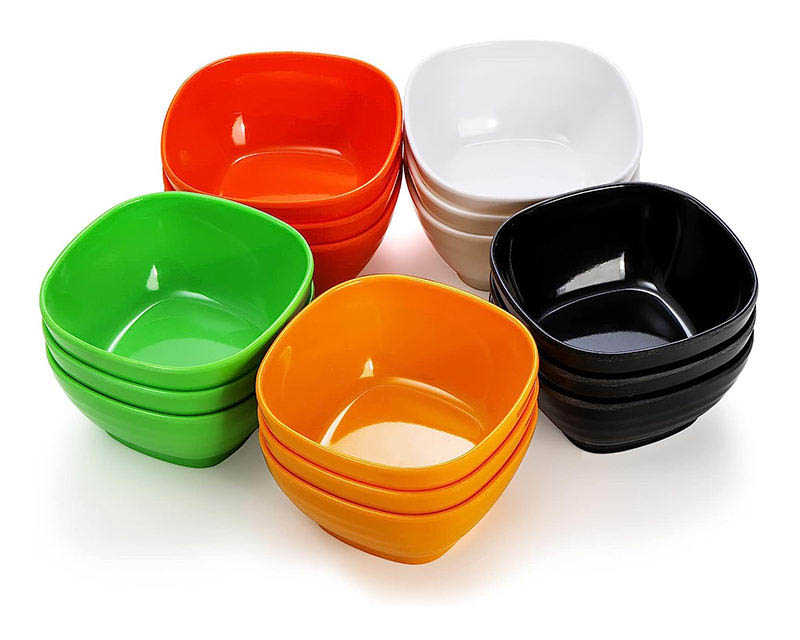
Fired at high temperatures, ceramic colors can change and are difficult to keep vibrant. Decorative effect is slightly inferior compared to melamine tableware.
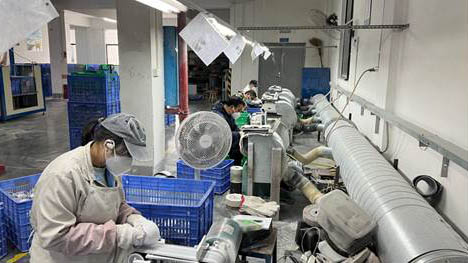
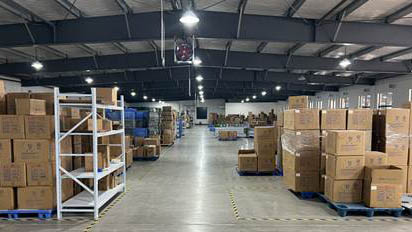
Rigorous and Scientific Production Process

We adhere to a rigorous and scientific production process to ensure the high quality of every product.

  • Packaging Process: Multi-layer protection ensures products arrive intact during transport.
  • Laser Process: Provides personalized logo customization to meet exclusive brand needs.
  • Grinding Process: Undergoes 4 steps of fine grinding to ensure smooth, burr-free edges.
  • Molding Process: Through 6 steps of precise molding, giving tableware perfect shape and structure.
  • Decal Process: Includes 8 complex steps to achieve exquisite pattern presentation and long-lasting adhesion.

Advantages of Melamine Tableware

  • High Durability: Melamine tableware is impact-resistant, not afraid of knocks, has a long service life, suitable for various home environments, especially favored by families with children.
  • Vibrant Colors: Using high-quality decals and raw materials, melamine tableware retains its bright colors even after high-temperature manufacturing, offering better decorative effects.
  • Easy Cleaning: The smooth surface of melamine tableware makes stains easy to clean. It can be sterilized at high temperatures, maintaining tableware hygiene and promoting family health.

Comparison: Melamine vs. Wooden Tableware

  • Characteristics of Wooden Tableware

    • Prone to Cracking and Corrosion: Wooden tableware is susceptible to environmental influences, leading to drying, cracking, and corrosion. Short service life affects aesthetics and usability.
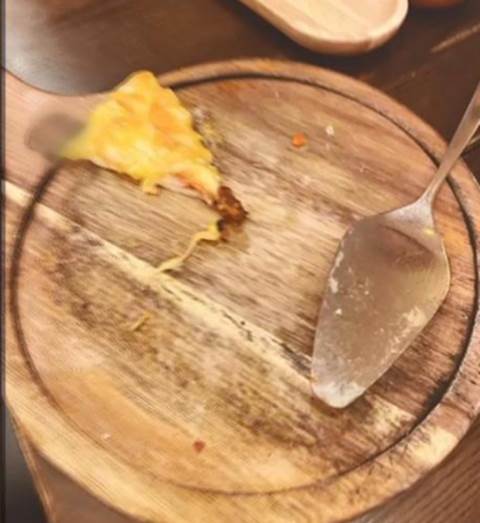
    • Cleaning Hazards: Wooden tableware easily retains dirt after washing, breeding bacteria. Surface paint may contain toxins, posing health risks.
    • Limited Decoration: Wooden tableware has limited decoration options, making it difficult to meet diverse aesthetic needs. Overall style is relatively monotonous.

Advantages of Melamine Tableware

  • Smooth Surface: The smooth surface of melamine tableware makes it easy to clean, leaving no residual dirt, effectively avoiding bacterial growth and safeguarding family health.
  • Non-Toxic and Harmless: Melamine tableware is non-toxic, harmless, and free of harmful substances like paint, making it safer for consumers to use with confidence.
  • Diverse Decoration: Melamine tableware can feature rich patterns with bright colors, meeting the aesthetic needs of different consumers and enhancing the dining atmosphere.
  •  

Comparison: Melamine vs. Wooden Tableware

  • Characteristics of Stainless Steel Tableware

    1. Gets Hot: Stainless steel tableware itself becomes very hot when containing hot food, easily burning hands. Requires careful use, especially unsuitable for children. (Cost Note: Stainless steel costs are usually higher than melamine due to material composition (iron, chromium, nickel alloy, manganese, titanium, cobalt, molybdenum, cadmium) and higher processing requirements. Melamine, made from molded resin powder, has relatively lower overall production costs despite the resin price.)
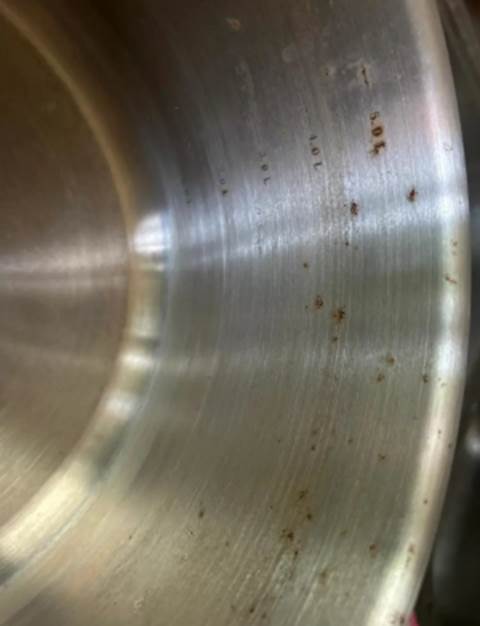
    2. Prone to Rusting: Stainless steel tableware is prone to rusting with long-term use, potentially causing harm to organs like the liver and affecting health.
    3. Poor Decorativeness: Stainless steel tableware has a single color and poor decorative appeal, making it difficult to meet personalized needs. Overall style is relatively monotonous.

Advantages of Melamine Tableware

  • Moderate Temperature: Melamine tableware remains at a moderate temperature even with hot contents, won’t burn hands, is safer to use, and suitable for the whole family.
  • Non-Toxic and Harmless: Melamine tableware is non-toxic and harmless, causing no harm to the human body even with long-term use, aligning better with health concepts.
  • Aesthetically Decorated: Melamine tableware can feature rich patterns with bright colors, enhancing the dining atmosphere and meeting personalized needs.

5. Recommendations for High-Quality Melamine Tableware

  • Recommendations

    • Factory Direct Sales: The factory direct sales model reduces intermediate links and costs, allowing consumers to purchase high-quality products at more affordable prices.
    • Rich Variety: Hunan Dongyu Technology Co., Ltd. offers a wide variety of melamine tableware styles to meet the needs of different consumers, making it an excellent choice for family dining.
    • Strict Standards: Melamine tableware produced by Hunan Dongyu Co., Ltd. strictly complies with national standards for market release, ensuring reliable quality and consumer confidence.
Professional tableware suppliers

Contact-us to learn more about our products.