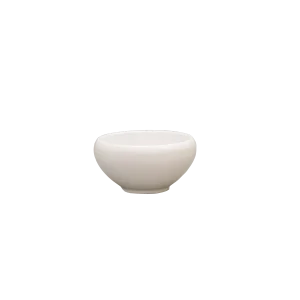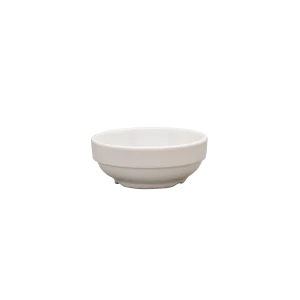
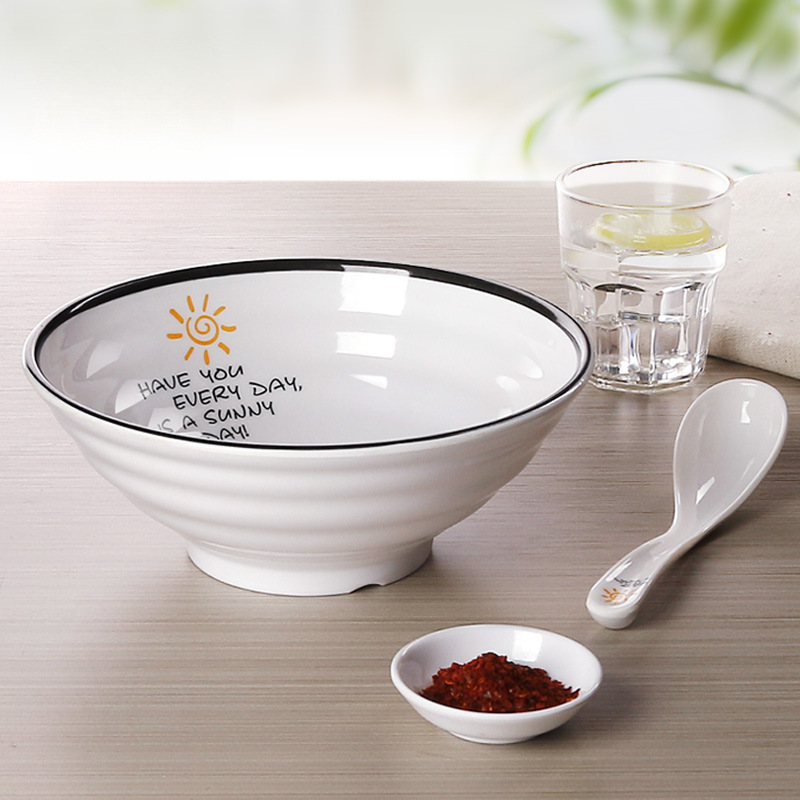
Broken dishes are a direct hit to a hotel’s profits. In busy commercial kitchens, traditional porcelain dinnerware usually sees an annual breakage rate of 15% to 25%. If you are a food and beverage director or procurement manager, trying to maintain a high-end presentation while constantly reordering plates is an expensive headache.
Commercial melamine soup bowls offer a straightforward fix. They provide the heavy feel and glossy finish of porcelain but won’t shatter when dropped on a tile floor. Whether you are running a fast-paced breakfast buffet, serving guests poolside, or managing massive banquet operations, moving to heavy-duty melamine is a smart way to protect your margins.
What Are Melamine Soup Bowls
Melamine soup bowls are made from a hard, durable thermosetting plastic called melamine-formaldehyde resin. Molded under high pressure and heat, the material looks and feels like ceramic but handles drops without chipping.
In hotel dining, these bowls are standard for:
- Clear broths and consommés
- Heavy Asian noodle dishes like ramen, pho, and laksa
- Cream-based soups and bisques
- Stews or hot pot sides
Melamine is also 30% to 50% lighter than porcelain. That weight difference matters during peak hours when service staff are carrying large trays across a busy dining room.
Keep in mind that bowl shapes change how your kitchen manages portions and presentation:
- Bouillon and consommé bowls (8 oz – 12 oz): These are narrow, often with two handles, designed specifically to keep clear broths hot.
- Standard soup and cream bisque bowls (12 oz – 16 oz): These feature wider rims or flared edges, meaning they fit cleanly into standard dishwasher racks and stack nicely on banquet trays.
- Entrée and Asian noodle bowls (18 oz – 32 oz+): These are deep, thick-walled bowls built for large portions of ramen or stew. Factories like Dongyu Technology use specific deep-V and flat-bottom molds so the bowls can handle heavy liquids without flexing or bowing.
Why hotels use melamine soup bowls
Hotel kitchens are chaotic, and tableware gets abused. Melamine has become a preferred alternative to porcelain for a few practical reasons:
- They survive drops: Melamine is virtually unbreakable in normal use. It survives the kind of everyday drops that shatter ceramic, which keeps your replacement rate low. If you run a 500-room hotel serving over a thousand soup portions a day, fewer breaks mean safer kitchens and fewer service delays.
- They save your staff’s backs: Because the material is lightweight, servers can carry more items per tray with less physical fatigue.
- The long-term costs are lower: Even if you spend a similar amount upfront on premium melamine as you would on basic porcelain, the total cost of ownership is much lower. You stop spending money on monthly replacement orders, usually seeing a full return on your investment within a year or eighteen months.
- They look good: Modern melamine isn’t the cheap plastic of the past. It comes in matte, glossy, stone-like, and patterned finishes. Manufacturers like Dongyu Technology offer custom colors and patterns to match your hotel’s branding, whether you want a clean Nordic look or a traditional Asian style.
- They clean up fast: Commercial melamine is completely dishwasher safe and resists stains from dark oils, chili, or heavy spices.
- They fit tight spaces: These bowls are molded to nest tightly together, which frees up valuable shelf space in busy pantries.
Downsides and safety limits
To be fair, melamine isn’t perfect for every situation, and you need to know its limits:
- Keep them out of the microwave: Do not use melamine soup bowls in microwaves or ovens. The FDA explicitly warns against this because extreme heat can warp the resin or cause chemicals to migrate into food. They are strictly for serving pre-heated food, up to a safe limit of 120°C.
- Migration only happens in extreme lab tests: If you boil highly acidic food in a melamine bowl for hours in a lab, trace chemicals can migrate. In a real restaurant, where hot soup sits in a bowl for 15 to 30 minutes while a guest eats, migration levels are under 10 ppb—well below the FDA safety threshold of 2,500 ppb.
- Watch out for cheap suppliers: Quality varies wildly. Low-end factories mix in cheap filler resins that chip easily. Stick to manufacturers with verifiable safety testing.
- They aren’t biodegradable: Melamine helps cut down on single-use plastic waste and lasts for years, but you can’t recycle it when you finally throw it away.
What to check before you buy
Wall thickness: Look for heavy, thick-walled construction with reinforced rims. Avoid cheap, thin versions that feel flimsy to guests.
Menu matching: Match the capacity to your actual portions. Use small 8 to 12 oz bowls for appetizers and keep large 16 to 32 oz bowls for main course noodles.
Stacking and logos: Make sure the bowls nest easily without sticking together. If you manage a large property, ask the factory about custom printing or embossing to add your hotel logo.
Safety papers: Only buy from factories that can show independent test reports. Look for FDA approval, European LFGB compliance, SGS testing, and ISO 9001 quality management certificates.
| Feature | Melamine | Porcelain | Ceramic |
|---|---|---|---|
| Durability | Excellent (unbreakable) | Moderate (chips easily) | Low |
| Weight | Lightweight | Heavy | Medium-Heavy |
| Replacement Rate | Very Low | High | Very High |
| Initial Cost | Medium | High | Medium |
| Dishwasher Safe | Yes | Yes | Yes |
| Microwave Safe | No | Usually Yes | Varies |
Why Choose Dongyu Technology for Your Melamine Soup Bowls
Dongyu Technology stands out as a professional manufacturer with nearly two decades of experience. Key strengths include:
- Scale and Capability: With advanced automation for stable quality and high output.
- Product Range: Extensive product range with a rich selection of categories including melamine bowls, plates, cups, trays, and full dinnerware sets, fully supporting versatile OEM/ODM customization to meet specific hotel branding needs.
- Certifications: FDA, LFGB, SGS, ISO 9001:2015, supporting global exports.
- Service Model: Strong OEM/ODM support, competitive wholesale pricing, and full pre-shipment inspection.
- Focus on Quality: Emphasis on food-grade materials and consistent performance for commercial use.
Hotels and chains benefit from their ability to deliver uniform batches, custom colors/patterns, and reliable supply chains. Their experience serving international markets makes them suitable for multi-property hotel groups.
Tips for making them last
- Skip the scratchy pads: Wash them in commercial dishwashers using standard detergents, but never use metal scouring pads or abrasive brushes that can dull the protective glaze.
- Serve, don’t cook: Use them to serve hot food, never to cook or reheat.
- Stack carefully: Store them in dedicated dish racks to prevent unnecessary scratching.
- Do regular checks: Melamine lasts a long time, but you should still audit your inventory every few months and retire any pieces that have become deeply scratched or lost their shine.
Conclusion
Picking the right tableware is about finding the balance between style and operational costs. High-quality melamine soup bowls give you the premium look guests expect while eliminating the constant cost of replacing broken ceramic. If you need certified, durable options for your properties, contact a commercial supplier to discuss your volume requirements and get a wholesale quote tailored to your menu.