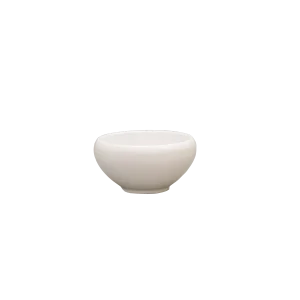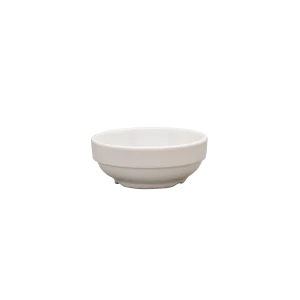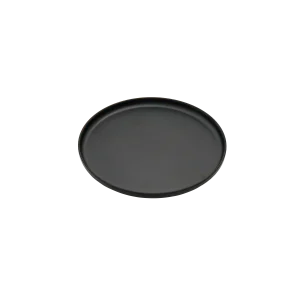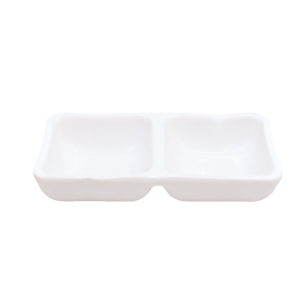
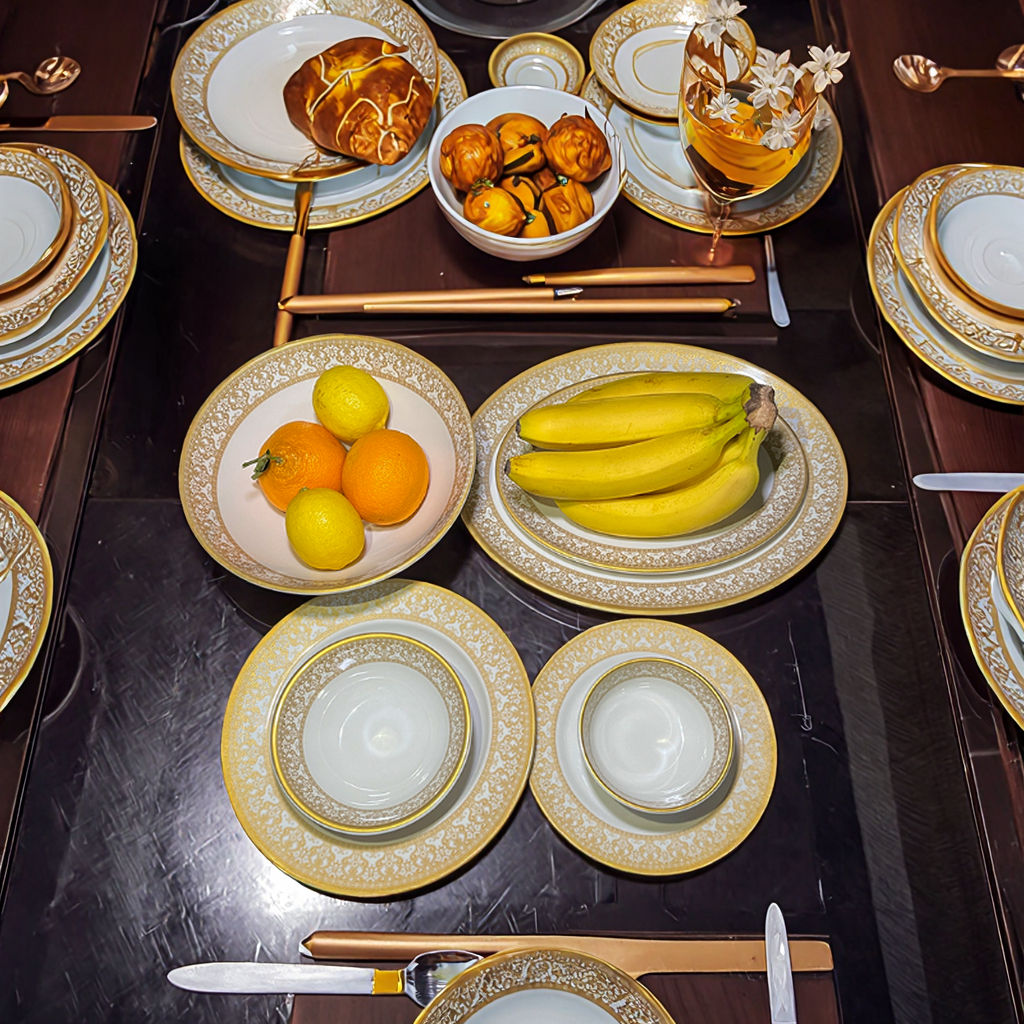
In the restaurant industry, every single detail shapes the customer experience, right down to the plates you use to serve meals. Food quality and hospitality get most of the attention, but the dinnerware you choose directly impacts your kitchen’s daily efficiency, replacement costs, and branding.
For restaurants, hotels, cafeterias, and catering companies, melamine restaurant plates are a practical alternative to traditional ceramic and porcelain dinnerware. They are lightweight, tough as nails, and highly versatile, making them a great fit for busy commercial environments where dropped dishes are a constant headache.
What Are Melamine Restaurant Plates
Melamine restaurant plates are heavy-duty foodservice dinnerware items made from melamine resin, which is a hard, durable thermosetting plastic.
Unlike fragile ceramic or porcelain options, melamine plates balance strength with genuine visual appeal. You will find them everywhere from casual dining spots to high-volume commercial kitchens, including restaurants, food courts, corporate cafeterias, hotels, resorts, buffets, and mobile catering operations.
Modern manufacturing means melamine dinnerware no longer looks like old, cheap school cafeteria trays. Today, it comes in a massive variety of colors, textures, shapes, and finishes, allowing you to set an upscale table without worrying about fragile edges. Because plates are constantly carried, stacked, washed, and handled in high-volume settings, having durable dinnerware keeps your front-of-house and back-of-house running smoothly.
Why Are Melamine Plates Popular in Restaurants
Exceptional Durability
The main reason restaurants buy melamine restaurant plates is simply that they last. Traditional ceramic and porcelain plates chip, crack, or shatter at the slightest drop. In a fast-paced kitchen where servers carry heavy trays and the dishwashing station is frantic, breakage is a daily guarantee.
Melamine plates are highly impact-resistant. They aren’t completely indestructible, but they easily survive accidental drops that would shatter ceramic alternatives. This translates directly to less mess, fewer injuries, and smoother shifts.
Lower Replacement Costs
Replacing broken plates is a nagging, recurring expense that eats into your margins. While high-quality melamine plates might cost the same as ceramic upfront, you don’t have to replace them nearly as often. This makes a massive difference for high-volume operations like chain restaurants, hotel dining rooms, school cafeterias, buffets, and catering companies where inventory takes a beating. Fewer replacements mean more predictable operating costs at the end of the quarter.
Lightweight Construction
Your staff carries plates for hours every shift, and heavy dinnerware causes physical fatigue and slows down service during peak rushes. Melamine restaurant plates are significantly lighter than ceramic alternatives, making them much easier to stack, carry, and store. It is a simple way to improve kitchen workflow and reduce strain on your servers.
Attractive Presentation
If you think melamine only means basic white cafeteria plates, you haven’t seen modern commercial options. Manufacturers can now replicate the exact look and weight distribution of stoneware, porcelain, slate, and wood finishes. You get the sophisticated look of artisanal ceramic plates with the durability of heavy-duty plastic.
7 Factors to Consider When Choosing Melamine Restaurant Plates
Not all melamine dinnerware is the same. Before buying in bulk, look closely at these seven details.
1. Verify Food Safety Certifications
Don’t just take a supplier’s word for safety. Look for official, up-to-date laboratory test reports from global certification bodies like SGS or Intertek. These reports prove compliance with FDA 21 CFR 177.1460 for the US market or EU Regulation No. 10/2011 for Europe. Also, check for NSF Certification (specifically NSF/ANSI Standard 2) to ensure the plate surfaces are non-porous and easy to sanitize, alongside certificates confirming zero migration of lead, cadmium, or BPA during high-temperature testing.
2. Evaluate Durability and Impact Resistance
Quality varies wildly between manufacturers. When comparing options, check the raw material quality, edge strength, and surface performance. Cheap melamine scratches easily under metal forks and knives, while commercial-grade options resist chipping, staining, and surface wear over hundreds of commercial wash cycles.
3. Choose the Right Plate Sizes
The sizes you choose should match your portion control and menu needs. Appetizer plates (6–8 inches) handle small starters, side dishes, and desserts. Salad plates (8–9 inches) work beautifully for salads, light lunch portions, and smaller entrees. For main courses, stick to standard dinner plates (10–12 inches), and use larger serving platters (12–14 inches or bigger) for shared family-style dining and buffets.
4. Select the Appropriate Shape
Plate shapes change the mood of your dining room and affect how easily staff can stack them. Round plates remain the classic choice because they stack perfectly, fit easily on standard trays, and work for almost any menu item. Square plates give your table a modern, contemporary edge that works well for upscale casual spots and fusion concepts. Meanwhile, rectangular plates are ideal for specific presentations like sushi, tapas, and shared appetizers.
5. Consider Surface Finish and Appearance
Gloss finishes are bright, reflective, and easy to clean, keeping them a traditional favorite. However, matte finishes have exploded in popularity because they look sleek, reduce glare under dining room lights, and make food look incredible for customers taking photos for social media. If you want a rustic look without the weight and fragility, opt for textured finishes that mimic natural stone or handcrafted pottery.
6. Commercial Dishwasher Compatibility and Thermal Limits
Commercial kitchens run on fast sanitization cycles. High-quality melamine restaurant plates handle commercial dishwashers easily if you follow basic rules. They comfortably hold up fine during wash and rinse cycles up to 85°C, and the hardened polymer surface stands up to aggressive detergents without yellowing or fading.
The big exception? You cannot use melamine in microwaves or conventional ovens. Direct heating elements and concentrated radiation ruin the resin structure, making the plates brittle and blistered.
7. Assess Supplier Reliability
A good supplier matters as much as the plate itself. Look for manufacturers that offer consistent product quality, stable production times, and long-term inventory support. If you run multiple locations, you need to know that a reorder next year will match your current stock exactly.
Choosing Melamine Plates Based on Restaurant Type
Different foodservice businesses have different operational needs.
Quick-Service Restaurants
Quick-service restaurants prioritize speed and efficiency.
Recommended features include:
- Lightweight construction
- Stackable designs
- Cost-effective options
- High durability
Since turnover is typically high, durability and ease of handling are critical.
Casual Dining Restaurants
Casual dining establishments often seek a balance between practicality and visual appeal.
Ideal features include:
- Stoneware-inspired designs
- Multiple size options
- Coordinated collections
- Durable construction
Melamine allows these restaurants to achieve an attractive presentation while controlling replacement costs.
Hotels and Resorts
Hotels frequently require premium dinnerware capable of handling large guest volumes.
Recommended features:
- Elegant finishes
- Consistent product availability
- Custom branding options
- Coordinated serving collections
Hotels often benefit from working with manufacturers capable of providing customized solutions.
Buffet Operations
Buffets face unique challenges because dinnerware experiences constant use throughout service periods.
Key requirements include:
- Impact resistance
- Easy handling
- Efficient stacking
- Consistent appearance
Durable melamine plates can help buffet operators maintain service quality while reducing breakage.
Catering Businesses
Catering companies regularly transport dinnerware between venues.
Important considerations include:
- Lightweight construction
- Durability during transport
- Space-efficient storage
- Versatile designs
Melamine’s resistance to breakage makes it particularly valuable in mobile foodservice environments.
Should Restaurants Choose Custom Melamine Plates
For many restaurants, standard dinnerware is sufficient. However, customized melamine restaurant plates can offer additional branding opportunities.
Benefits of Custom Dinnerware
Stronger Brand Identity
Branded dinnerware can reinforce a restaurant’s visual identity.
Examples include:
- Custom logos
- Signature colors
- Unique patterns
These details contribute to a more memorable dining experience.
Consistent Guest Experience
Consistency is especially important for:
- Restaurant chains
- Hotel groups
- Franchise operations
Custom dinnerware helps create a standardized appearance across multiple locations.
Improved Social Media Presentation
Food photography plays a growing role in restaurant marketing.
Distinctive plate designs can enhance visual presentation and help create recognizable brand imagery.
Common Mistakes Restaurants Make When Buying Melamine Plates
- Focusing Only on Price: Cheap plates wear out, scratch, and stain quickly. You end up spending more on frequent replacements than you would have on high-quality options.
- Ignoring Safety Documentation: Uncertified dinnerware puts your business at risk. Always ask for real safety certificates before ordering.
- Choosing Incorrect Plate Sizes: Plates that are too big make your portions look small, while plates that are too small cause spills. Measure your tables and dish racks before buying.
- Overlooking Design Compatibility: The plates should match your interior design. A rustic steakhouse looks odd with glossy modern square plates, just as a sleek sushi bar looks out of place with traditional white rounds.
Conclusion
At the end of the day, picking the right melamine restaurant plates comes down to matching your restaurant’s aesthetic with real operational durability. Skip the cheapest options, verify the safety certifications, and choose shapes that your staff can stack and carry without a struggle. It is an investment that pays off in lower replacement costs and fewer kitchen headaches.