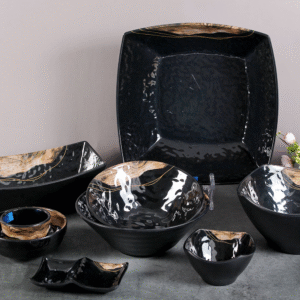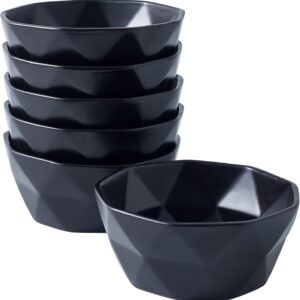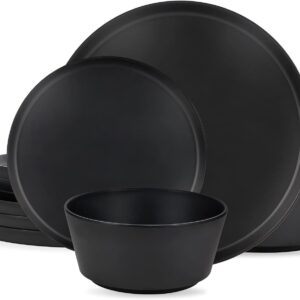
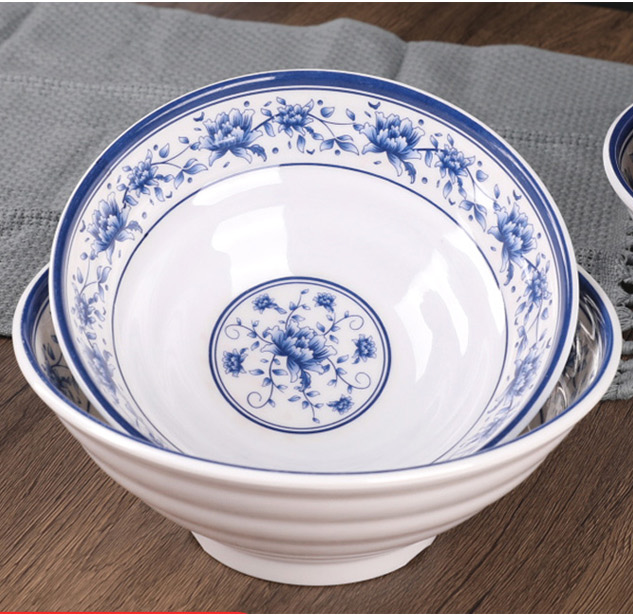
Melamine bowls are a staple in modern dining because they handle the chaos of a busy kitchen without looking like cheap plastic. They have that “anti-ceramic” appeal—giving you the weight and look of porcelain but without the constant fear of dropping and shattering a plate. Whether you’re running a high-traffic bistro or just hosting a backyard BBQ, these pieces are incredibly handy. However, if you want them to stay glossy and safe for years, you need to understand the material science behind them.
Daily Cleaning
The goal with melamine is to protect the surface glaze. Once that top layer gets scratched or eaten away, the bowl becomes a magnet for stains and bacteria.
Melamine is tough, but it isn’t scratch-proof. If you use the wrong tools, you’ll dull the finish before the year is out.
- Stick to warm water: Ideally, keep it between 43°C and 49°C. It’s hot enough to cut through grease but won’t shock the material.
- Pick the right sponge: Use soft sponges, microfiber, or polyester mesh.
- Forget the steel wool: Never use metal scrapers or abrasive powders like Ajax. They leave microscopic scratches that turn your plates “gray” over time as food particles get trapped in the grooves.
- Skip the bleach: Chlorine-based cleaners are the enemy here. They break down the resin, making the bowls brittle and yellow.
Getting the Most Out of Your Dishwasher
Most melamine can handle a dishwasher, but you have to be smart about where you put it.
- Watch the heat: Make sure the cycle doesn’t go over 82°C. While melamine handles heat well, a super-hot drying cycle can cause “crazing”—those tiny, ugly hairline cracks in the finish.
- The Top Rack Rule: In a home dishwasher, the heating element is at the bottom. To avoid warping, always keep your melamine on the top rack.
- Detergent matters: Use mild, non-alkaline soaps. Harsh chemicals can etch the surface over time.
| Feature | Recommended | Prohibited |
|---|---|---|
| Cleaning Tool | Soft Sponge / Microfiber | Steel Wool / Metal Scraper |
| Detergent | Mild Liquid Soap | Bleach / Abrasive Powders |
| Dishwasher | Top Rack | Bottom Rack (Near Heat) |
| Soaking Time | 15–20 Minutes | Over 8 Hours |
Quick Tip: If food is stuck on, don’t reach for a knife to scrape it off. Just soak the bowl in warm water with an oxygen-based cleaner for 20 minutes.
Avoid High Heat to Keep Them Safe
Melamine is a “thermoset” plastic. Unlike other plastics that melt and can be recycled, melamine is essentially “set” in its shape forever. If you get it too hot, those molecular bonds just break. This leads to pitting, brittleness, and—worst of all—the risk of chemicals leaching into your food.
Critical Safety Restrictions
The No-Microwave Rule
This is the biggest reason melamine fails.
- The Problem: Melamine absorbs microwave energy directly. The dish itself gets incredibly hot, incredibly fast.
- The Damage: This causes warping and “crazing.” The FDA specifically warns against microwaving melamine because high heat can cause chemicals to migrate into your food, especially if you’re heating up something acidic like tomato sauce.
- Stay away from ovens: Never put these in a conventional oven, toaster oven, or under a broiler.
Direct Heat and Liquids
- Keep it away from the stove: Don’t leave a plate near an open flame or under a heavy-duty heat lamp. It will scorch the resin and ruin the structural integrity.
- Hot soups are fine, boiling water isn’t: Melamine is great for coffee or soup, but it isn’t meant for boiling water (100°C) for long periods. I usually let boiling liquids cool for a minute before pouring them in. Most pros recommend keeping things under 70°C for long-term stability.
| Heat Source | Safety Status | Risk Level |
|---|---|---|
| Dishwasher (Top Rack) | Safe | Low |
| Hot Food/Soup | Safe | Low |
| Boiling Water | Caution | Moderate |
| Microwave/Oven | PROHIBITED | High |
| Open Flame | PROHIBITED | Critical |
To maximize the lifespan of your melamine, always check the “Use and Care” stamp on the bottom of the dish. If it says “Not for Microwave Use,” take it seriously to avoid “thermal shock” which can ruin a brand-new set in seconds.
Fixing Stains and Keeping the Shine
Life happens. Coffee, beets, and curry will try to stain your bowls. Here’s how to fight back without ruining the finish.
Act Fast
The most effective way to prevent permanent staining is immediate rinsing. Stains often form due to mineral deposits or acidic food particles reacting with the surface over time. If you cannot wash the dishes immediately, a quick rinse with warm water prevents proteins and dyes from “setting” into the material’s pores.
Getting Rid of Tough Spots
If a stain sticks, don’t scrub harder. Try these:
- Baking Soda Paste: Mix baking soda with a little water and rub it on with a soft cloth. It’s just abrasive enough to lift the stain without hurting the glaze.
- Oxygen Soaks: Use something like OxiClean. It breaks down stains through oxidation rather than eating away at the plastic like bleach does.
Metal Marks: If you see gray streaks, those usually aren’t scratches. They are actually metal deposits from your forks and spoons. A little baking soda or a specialized ceramic cleaner usually wipes them right off.
The Critical “No-Go”: Chlorine Bleach
It is vital to never use chlorine bleach on your dinnerware. While it may seem like a quick fix for whitening, chemical experts warn that chlorine:
Attacks the Structural Integrity: It can seep into micro-fissures and weaken the material.
Causes Yellowing: Ironically, bleach often reacts with the minerals in the clay or finish, leading to permanent yellowing or a “cloudy” appearance that cannot be reversed.
| Stain Type | Recommended Treatment | Action |
|---|---|---|
| Coffee/Tea | Baking Soda Paste | Rub gently and let sit for 5 minutes. |
| Tomato/Curry | Oxygen-Based Soak | Soak in warm water for 30–60 minutes. |
| Mineral/Hard Water | White Vinegar | Wipe with a soft cloth dipped in diluted vinegar. |
Storage and Scratch Prevention
To maintain the structural integrity and aesthetic appeal of melamine dinnerware, proactive surface management is essential. While high-quality melamine is renowned for its high-impact resistance and durability—often tested to withstand significant mechanical stress without shattering—the material remains susceptible to surface abrasions if handled improperly.
Below are the industry-standard protocols for extending the lifecycle of professional-grade melamine.
Optimizing Utensil Compatibility
The primary cause of premature wear in melamine bowls and plates is the use of inappropriate cutlery.
- Avoid Serrated Blades: High-strength serrated knives, such as steak knives, can easily penetrate the protective organic coating of the melamine. Repeated “sawing” motions create deep grooves that harbor bacteria and compromise the “easy-clean” properties of the surface.
- Recommended Tooling: For commercial environments, switching to straight-edged stainless steel** or plastic utensils is advised to minimize friction and prevent microscopic surface scarring.
Strategic Stacking & Protection
Melamine is exceptionally rigid, which means that when bowls are stacked, the “foot” of one vessel can act as an abrasive against the interior of the one below it.
- Friction Reduction: For long-term storage or high-volume transport, place non-woven fabric dividers, soft felt pads, or silicone mats between each unit. This prevents “stacking rub,” a common phenomenon where vibration during storage causes dull patches on the gloss finish.
- Airflow Management: Ensure all items are 100% dry before stacking to prevent moisture trapping, which can lead to mineral deposits that mimic the appearance of scratches.
Inspection Protocols and Decommissioning
Following the “Inspect and Replace” principle is vital for both food safety and brand presentation.
- The “Luster” Check: Regularly inspect the surface for a loss of gloss. A dull surface often indicates that the protective glaze has been eroded by harsh chemicals or abrasive scrubbing.
- Identifying Critical Damage: If a piece exhibits deep-seated scratches, chips, or “crazing” (fine hairline cracks), it should be decommissioned immediately. These fissures can trap oils and food particles, making the item impossible to fully sanitize.
- Durability Benchmark: While top-tier melamine is engineered for “extreme durability,” no material is permanent. Regular replacement cycles (typically every 12–24 months for high-use commercial settings) ensure that the dining experience remains premium and hygienic.
Why I Recommend Dongyu Melamine Bowls
If you’re looking for a brand that actually lasts, Dongyu is a solid choice. They don’t cut corners on the material.
Globally Certified Food Safety Standards
Safety is the primary concern when dealing with resin-based tableware. Dongyu melamine bowls are manufactured under strict quality control protocols, ensuring they are free from harmful migration of chemicals.
- FDA Compliance: Their products meet the U.S. Food and Drug Administration (FDA) 21 CFR 177.1460 standards, confirming they are safe for contact with food and do not leach formaldehyde or melamine beyond permissible limits.
- European Standards (EEC & EN71): Dongyu adheres to EU Regulation No. 10/2011 and EN71 certifications. These certifications are critical for European markets, proving the material is non-toxic, lead-free, and safe even for children’s use.
- NSF Certification: Many Dongyu product lines carry the NSF (National Sanitation Foundation) mark, which is a prerequisite for most major Western restaurant chains and hospitality groups.
Superior Material Engineering: High-Purity Resin
Unlike “budget” melamine which often uses urea-formaldehyde cores (which are less stable and prone to cracking), Dongyu utilizes 100% high-quality A5 melamine resin.
- Exceptional Acid & Alkali Resistance: This material is chemically inert, meaning it won’t corrode or discolor when exposed to acidic foods (like citrus or vinegar) or alkaline detergents.
- Thermal Stability: Dongyu bowls are designed to withstand temperatures ranging from -30°C to 120°C. This makes them dishwasher-safe and capable of holding boiling soups without warping or emitting odors.
- Impact Resistance: The molecular density of their A5 resin provides a “shatter-proof” quality. According to internal stress tests common in the Dongguan manufacturing hub, high-purity melamine reduces replacement costs by up to 70% compared to traditional porcelain in commercial settings.
The “Ceramic-Plus” Design Philosophy
The most striking feature of Dongyu’s collection is its deceptive appearance. They have mastered a manufacturing process that replicates the premium “hand-feel” of bone china.
- Visual Luster: Using high-pressure compression molding, Dongyu achieves a high-gloss finish that mimics the reflective glaze of polished ceramic.
- The Weight Advantage: While the bowls possess the thickness and “heft” associated with quality stoneware, they are significantly lighter. This reduces the physical strain on service staff in restaurants and minimizes the risk of injury from broken shards.
- Tactile Quality: Unlike cheap plastic, Dongyu melamine has a low thermal conductivity, meaning it remains comfortable to hold even when filled with hot food, providing a superior dining experience.
| Feature | Dongyu Melamine Bowls | Traditional Ceramic |
|---|---|---|
| Durability | Shatter-proof | Fragile |
| Weight | Lightweight | Heavy |
| Safety | FDA/EU Certified | Lead/Cadmium risk if poorly glazed |
| Cost-Efficiency | Low replacement rate | High replacement rate |
If you treat these bowls right—keep them out of the microwave and use soft sponges—they are a fantastic, sustainable investment for any kitchen.