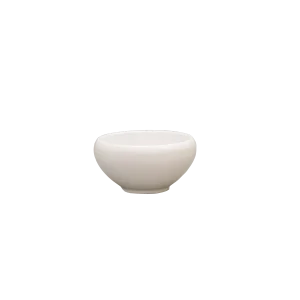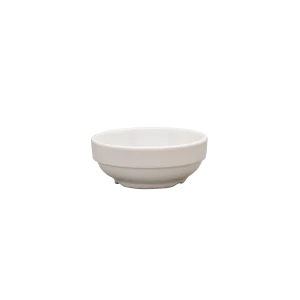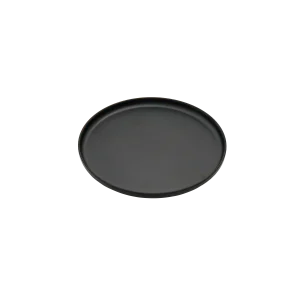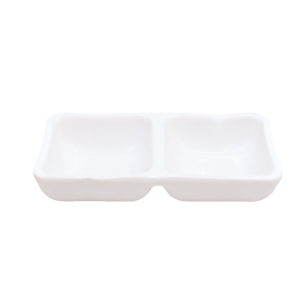
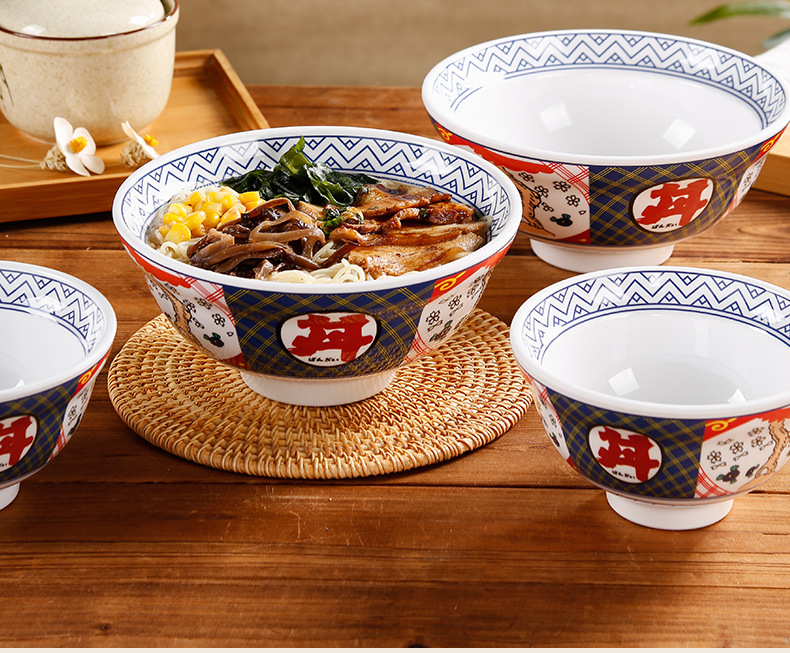
If you manage a commercial kitchen, run a school cafeteria, or just handle the buying for a busy household, you probably have a stack of melamine dinnerware somewhere. It makes total sense—the stuff is practically indestructible, survives the brutal daily cycles of commercial dishwashers, and actually looks like real ceramic instead of cheap plastic.
But a regular headache comes up when the meal is over and it’s time to reheat what’s left: Is melamine dinnerware microwave safe for heating leftovers?
It’s one of the most common questions in food service, and the short answer is a flat no. Microwaving melamine ruins the dishes and can compromise the safety of your food. Let’s break down exactly what happens to the material under microwave radiation, why the FDA took a hard stance on it, and how to protect both your kitchen inventory and your guests.
Is Melamine Dinnerware Microwave Safe
The definitive answer is no. While melamine is highly resilient against physical impact and commercial dishwasher cycles, it is fundamentally incompatible with the type of radiation and localized superheating generated by microwave ovens. Putting your melamine plates or bowls in the microwave to heat leftovers will not only permanently damage the dinnerware but may also compromise the safety of the food you are about to eat.
To understand why this durable material fails in the microwave, we need to look at the chemistry of thermosetting plastics.
What Happens When You Microwave Melamine
Melamine dinnerware is manufactured using a melamine-formaldehyde resin. This is a thermosetting plastic, meaning it is formed under extreme heat and pressure. Once the chemical bonds are set, the material becomes highly heat-resistant, rigid, and durable. However, thermosetting plastics cannot be melted down and reshaped. When exposed to temperatures beyond their structural threshold, they do not melt—they degrade.
How Microwaves Interact with Food and Plastics
Microwaves heat food by emitting electromagnetic radiation that causes water, fat, and sugar molecules within the food to vibrate rapidly, generating intense friction and heat.
While melamine itself is relatively microwave-transparent (meaning the microwaves pass through it rather than heating it directly), the food resting on the plate absorbs the energy. When you are heating leftovers, especially foods high in fat or oil (like a slice of pizza or an oily pasta sauce), the food can quickly reach localized temperatures exceeding 100°C (212°F) and sometimes even surpassing 150°C (300°F).
Thermal Degradation and Physical Damage
Because melamine is an excellent insulator, the intense, localized heat from the superheated food transfers directly into the surface of the plate. This thermal shock causes severe physical damage to the dinnerware. If you frequently microwave melamine, you will likely observe:
- Blistering and Peeling: The protective glaze on the surface breaks down, causing bubbles or peeling.
- Warping and Cracking: The uneven thermal stress causes the rigid structure of the plate to warp, micro-crack, or completely split in half.
- Brown Scorching Marks: The extreme heat literally burns the melamine resin, leaving permanent brown or black burn spots.
Once a melamine plate is cracked, scratched, or blistered, it becomes a breeding ground for bacteria and is no longer safe for commercial or home food service.
Health risks and the FDA’s stance on melamine
Replacing cracked plates gets expensive, but the real issue tied to the phrase “melamine dinnerware microwave safe” is chemical migration.
The U.S. Food and Drug Administration (FDA) has run extensive safety and risk assessments on melamine tableware. Their official stance is clear: melamine is completely safe for normal food service and dining. However, they issue a strict, explicit warning against using it in microwave ovens.
When you subject melamine dinnerware to extreme, localized microwave heat—especially when you’re warming up highly acidic foods like tomato soup, citrus glazes, or vinegar-heavy sauces—the polymer chains begin to snap. This chemical breakdown allows trace amounts of melamine monomers and formaldehyde to leach out of the plastic and migrate straight into the food.
International safety standards, including European Union Regulation (EU) No 10/2011, place a strict Specific Migration Limit (SML) on these chemicals. For formaldehyde, the limit is capped at 15 mg/kg; for melamine, it’s 2.5 mg/kg.
Under standard serving conditions (like pouring hot 70°C / 158°F soup onto a plate), high-quality dishes release virtually zero chemicals, staying safely below these limits. But a microwave forces the plastic well past its stable threshold, significantly spiking the risk of chemical migration exceeding safe levels.
Understanding Melamine Temperature Limits: How Hot is Too Hot
To safely manage food service operations, kitchen staff must understand the thermal boundaries of the dinnerware they are using. Melamine is highly heat-resistant for serving, but it is not intended for cooking or reheating.
Here is a clear, data-driven breakdown of how commercial melamine handles different temperature scenarios:
| Dining/Kitchen Scenario | Temperature Range | Melamine Reaction & Safety Status | Industry Compliance |
|---|---|---|---|
| Serving Hot Soups & Beverages | 60°C to 70°C (140°F – 158°F) | Completely Safe. Melamine acts as an insulator, keeping food hot and hands safe. | FDA / EU Compliant |
| Commercial Dishwashers | 70°C to 85°C (158°F – 185°F) | Safe. Can withstand the high heat and water pressure of commercial sanitizing cycles. | Safe for standard washing |
| Boiling Water (Brief Contact) | 100°C (212°F) | Safe (Short Term). Can withstand brief contact but should not be submerged for hours. | Stable structure |
| Microwave Oven (Heating Leftovers) | > 100°C to 150°C+ | UNSAFE / PROHIBITED. Localized superheating causes physical degradation and chemical leaching. | FDA explicitly warns against this |
| Conventional Oven / Broiler | 150°C to 250°C+ | UNSAFE / PROHIBITED. The resin will burn, scorch, and release toxic fumes. | Prohibited |
How to Heat Leftovers and Serve Food Safely
Since we have established the dangers of microwaving melamine, how should commercial kitchens, caterers, and everyday users handle the task of heating leftovers efficiently?
Here is the industry-standard “Two-Step” Reheating and Serving Protocol recommended for maximum safety and presentation:
Step 1: Reheat in Microwave-Safe Containers
When it is time to heat leftovers, always transfer the food out of the melamine dish and into a container specifically engineered for microwave use. The safest materials include:
- Tempered Glass: Excellent for even heating and leaves no chemical residue.
- Microwave-Safe Ceramics: Ensures stable heat distribution without structural degradation.
- High-Grade PP5 Plastics: Specifically formulated commercial plastics designed for microwave reheating.
Step 2: Transfer and Serve on Melamine
Once the food has reached the desired internal temperature (usually around 74°C / 165°F for food safety), carefully transfer the hot food onto a clean Dongyu Technology melamine plate or bowl.
Why do this? Because melamine is a natural thermal insulator. When you place scorching hot food onto a melamine plate, the bottom of the plate remains cool enough for servers to carry to the table without burning their hands. Furthermore, the elegant, ceramic-like finish of high-quality A5 melamine elevates the dining experience far beyond what a glass or plastic reheating container could offer.
Conclusion
Melamine is an absolute workhorse for commercial food service. It slashes your ongoing replacement costs because it’s shatterproof, gives you the elegant look of fine porcelain, and stands up to commercial dishwashers without blinking. But the microwave is the one environment where it simply doesn’t belong.
By training your kitchen staff to use glass or ceramic inserts for reheating leftovers, you preserve your plates and protect your customers. For commercial buyers who need maximum durability and verified safety, choosing a transparent, certified manufacturer makes all the difference. Dongyu Technology focuses on producing 100% pure A5 melamine dinnerware that meets strict global safety expectations, ensuring you get long-lasting, elegant, and reliable dining pieces that protect both your brand and your bottom line.
FAQs
Can I microwave melamine for just 30 seconds to warm a dish?
Don’t risk it. Even a quick 30-second burst creates intense hot spots if the food contains fats or sugars. Over time, these repeated short exposures cause micro-cracks that permanently weaken the dish.
If melamine doesn’t absorb microwaves, why does the plate get hot?
The microwaves are vibrating the moisture and fat inside the food, not the plate. However, that boiling hot food instantly transfers its heat directly to the plastic surface via conduction. That’s what causes the blistering and warping over time.
Are there any “microwave-safe” melamine products on the market?
No. If a product is genuinely made from 100% thermosetting melamine resin, it cannot be safely microwaved due to the laws of polymer chemistry. If a manufacturer claims their “melamine” is microwave-safe, it is likely heavily blended with other thermoplastic materials or is not true melamine at all.
Is it safe to serve cold leftovers on a melamine plate?
Absolutely. Melamine is completely safe for serving cold foods like salads, sandwiches, or sushi, as well as hot entrees straight from the line. The only rule is that the melamine itself cannot be used as the heating vessel in an oven or microwave.
How do I check if my kitchen staff has been microwaving our melamine?
Hold the plates under a bright light and look closely at the center. Check for a dull, matte finish where the shine has worn off, rough patches, bubbling, brown scorch marks, or tiny hairline cracks. If you spot any of these signs, pull the plate from service immediately before bacteria take hold.