Introduction
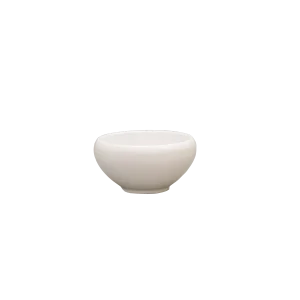
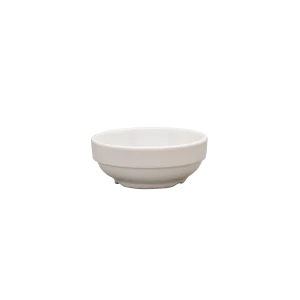
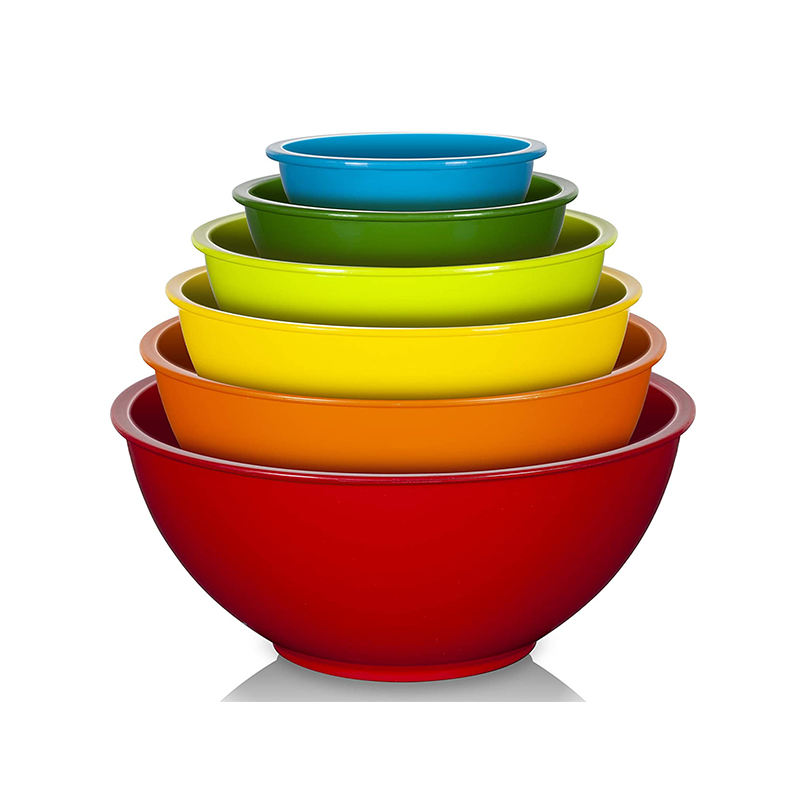
The global food service industry is seeing a major resurgence in retro aesthetics. Restaurants, boutique hotels, and themed bistros are increasingly using nostalgic interior cues to create memorable, shareable dining experiences. Central to this atmospheric strategy is the choice of tableware. The timeless appeal of mid-century modern rustic textures and classic glazed designs has driven a substantial surge in demand for commercial-grade vintage melamine bowls among hospitality procurement specialists worldwide.
However, operating a high-volume commercial kitchen with fragile materials like traditional porcelain, stoneware, or authentic antique ceramics presents severe operational challenges. In high-traffic restaurant environments, dinnerware is subjected to fast-paced manual handling, industrial conveyor-belt assembly, extreme temperature fluctuations in automated warewashers, and accidental drops. Traditional ceramic dinnerware fractures and chips at unsustainable rates under these daily stresses, resulting in escalating replacement costs, hazardous workspaces, and diminished operational efficiency.
Selecting Vintage Style Melamine Dinnerware for Restaurants
The Financial Cost of Tableware Churn in Commercial Kitchens
In restaurant cost accounting, tabletop dinnerware is a recurring operational supply line item highly susceptible to physical degradation. In high-turnover facilities—such as large-scale casual dining chains, university dining halls, hotel buffets, and franchise groups—the annual replacement rate of fragile clay-based ceramic tableware can range between 50% and 150%. This constant churn drains net operating income. When a single restaurant location is forced to replace hundreds of damaged soup, noodle, or retro salad bowls each quarter, the financial impact across a multi-unit corporate chain scales exponentially.
Chemical Grading of Materials: A5 vs Low-Tier Composites
The global commercial market for melamine dinnerware features distinct variance in material formulations, requiring procurement officers to understand the exact underlying chemistry of their technical specifications. Authentic, heavy-duty commercial dinnerware must be manufactured exclusively from pure, unadulterated 100% Melamine-Formaldehyde Resin, professionally classified within the manufacturing sector as A5 material grade. A5 material is fundamentally characterized by its cross-linked thermosetting polymer structure, which provides extreme mechanical strength, high thermal insulation properties, structural surface hardness, and complete chemical inertness under approved operational conditions.
Conversely, many low-cost international exporters substitute pure A5 resin with inferior composite blends, such as A1, A2, or A3 grades, which incorporate high concentrations of Urea-Formaldehyde (UF) resin, gypsum, or cheap wood pulp fillers. Urea-Formaldehyde compounds possess poor thermal and mechanical stability. When exposed to hot liquids exceeding 80°C, low-tier UF composite bowls rapidly undergo thermal degradation, experiencing severe structural micro-cracking, loss of surface gloss, surface discoloration, and dangerous chemical outgassing. This chemical outgassing can cause the migration of toxic formaldehyde and urea monomers directly into food products. Dongyu Technology enforces a strict, verifiable material policy, utilizing exclusively certified, 100% pure A5 compound raw materials across all bulk vintage product lines, guaranteeing total structural longevity and uncompromising toxicological safety under severe commercial conditions.
Surviving the industrial dishwasher and line line-ups
A standard consumer-grade plastic bowl will warp, soften, and look ruined after just a couple of runs through a commercial dishwasher. Automated hospitality warewashers run on highly alkaline detergents, high-pressure spray cycles, and scalding sanitizing rinses.
Dongyu’s advanced A5 melamine compound is engineered specifically for this abuse. It has a certified safe operational thermal range from a freezing -30°C (-22°F) up to a continuous heat ceiling of 120°C (248°F). This broad thermal spectrum means your kitchen staff can pull bowls straight out of cold-storage walk-ins or deep freezes and put them right onto high-temperature food service production lines without a single issue.
Important Safety Note: Melamine dinnerware is never recommended for microwave or conventional baking ovens because localized electromagnetic waves will overheat the polymer matrix.
However, for standard service, that same polymer matrix acts as an exceptional natural insulator. It locks in the heat for hot soups, ramen, and stews so food stays at optimal temperatures at the table, while the exterior of the bowl stays cool to the touch. Your servers won’t burn their hands, and your guests get a much better dining experience.
Stopping stains and food odors before they start
Cheap polymer plates and older plastic dishes have a frustrating flaw: they are porous. Over time, they absorb organic oils and food pigments. If your restaurant serves tomato-based marinara pastes, heavy turmeric Indian curries, dark soy sauce broths, or acidic citrus vinaigrettes, low-grade polymer dinnerware will quickly end up with permanent, unremovable dark blemishes. They look filthy, they retain old food smells, and you eventually have to throw them away.
To fix this, Dongyu Technology applies a proprietary high-temperature, high-pressure glazing process during the final compression molding phase. This creates an ultra-dense, non-porous crystalline melamine surface seal that acts as an advanced hydrophobic barrier. Food dyes and organic fats simply cannot stick to it. Your dishwashing crew can rinse residues away effortlessly during standard wash cycles without needing abrasive scrubbing pads that scratch up your inventory. Because the surface is chemically inert, you never have to worry about cross-contamination or stale food odors lingering between table rotations.
How Dongyu Tech Customizes the “Old-School” Look via OEM/ODM
Replicating the authentic optical characteristics, rich colors, and weight of historic ceramics using a synthetic thermoset polymer demands exceptional manufacturing precision. Dongyu Technology achieves this through its fully integrated, state-of-the-art mold-making facility. Holding a massive library of over 3,000 active, custom-engineered production molds, our factory provides clients with an unparalleled array of pre-existing shapes—including vintage melamine mixing bowls, deep ramen bowls, classic rimmed cereal bowls, and textured pasta bowls—significantly reducing initial tooling costs and accelerating time-to-market.
For large-scale international catering groups and commercial brands seeking unique corporate signatures, Dongyu Technology’s specialized engineering team develops custom-tailored OEM and ODM solutions from initial concept drawings:
- Weight & Hand-Feel Optimization: The factory can adjust the material density and internal wall thickness during the compression process to give each vintage melamine bowl a substantial weight that replicates high-end porcelain.
- In-Mold Graphic Decals: Using advanced high-resolution graphic foil insertion technology, we permanently embed intricate vintage patterns, custom floral motifs, weathered antique line art, or corporate brand logos deep beneath the clear protective melamine glaze layer.
- Industrial Longevity: This compression molding cycle ensures that the graphics will never scratch off, peel, or fade, even after thousands of continuous runs through industrial dishwashers.
Your Trusted Manufacturing Partner for Bulk Supply
A Comprehensive Historical Evolution of Manufacturing Infrastructure
The industrial foundation of Dongyu Technology is built upon nearly two decades of continuous technological refinement, substantial infrastructure investment, and strategic geographical expansion. The company’s manufacturing journey began in 2007 with the establishment of its original specialized production base in Dongguan, Guangdong Province—the heart of China’s premium advanced manufacturing sector. Over twelve years of serving intense B2B international supply chains, the company achieved substantial market growth. This success culminated in 2019 with a major corporate expansion: the founding of Hunan Dongyu Technology Co., Ltd., a massive, state-of-the-art manufacturing facility designed to significantly increase production capacity and optimize global logistics channels.
Today, Dongyu Technology operates an expansive combined manufacturing footprint encompassing over 30,000 square meters of highly optimized industrial space. The facilities feature a highly efficient, linear layout that integrates raw material warehousing, automated pre-heating zones, advanced hydraulic compression press lines, semi-automated trimming and edging departments, multi-stage automated polishing units, precision laser engraving stations, and dust-free final packaging zones. By maintaining complete, centralized ownership of the entire manufacturing process, Dongyu completely eliminates mid-tier subcontractor markups, ensuring global buyers receive direct, uncompromised factory-floor pricing and robust supply chain security.
High-Capacity Industrial Machinery and Advanced Fleet Engineering
To consistently execute high-volume B2B wholesale orders while maintaining absolute dimensional uniformity across thousands of pieces of vintage melamine bowls, Dongyu Technology has heavily invested in premium, heavy-duty production machinery. The factory floor features an advanced fleet of high-pressure, multi-functional automated hydraulic forming presses sourced from premier engineering firms in Taiwan. These high-tonnage machines exert immense, uniform compression pressure under extreme thermal conditions, ensuring each A5 resin molecule is perfectly compacted into a flawless, ultra-dense structure completely free of internal air pockets or structural micro-voids.
This automated machinery framework allows Dongyu Technology to achieve exceptional monthly output metrics, processing large-scale bulk procurement orders with tight turnarounds. The factory’s advanced infrastructure is built to easily handle multi-container wholesale requests from international distributors and major restaurant franchises, maintaining reliable lead times even during peak seasonal manufacturing periods. Furthermore, each production unit is paired with continuous digital monitoring systems that track precise pressure variations and thermodynamic parameters in real-time, providing an elite layer of structural uniformity across every single production run.
A Multi-Stage, Rigorous Quality Control Architecture
At Dongyu Technology, product quality is managed through an uncompromising, multi-stage quality control architecture integrated directly into the daily manufacturing flow. The factory employs an expert team of internal quality assurance officers who enforce a strict “Triple-Inspection Protocol” designed to eliminate defective items before they ever reach the shipping container:
- In-Line Production Inspection: Ongoing real-time analysis of the raw compression molding phase. Technicians check for optimal flash removal, correct curing durations, and perfect thermodynamic forming consistency directly at the hydraulic press stations.
- Pre-Packaging Full Evaluation: Every individual vintage melamine bowl undergoes manual inspection under high-intensity lighting conditions. Quality teams examine the product to confirm total cosmetic perfection, flawless surface glazing, precise color consistency, and smooth, burr-free rim profiling.
- Post-Packaging Final Audit: Prior to final warehouse staging and container loading, an independent QA manager extracts randomized statistical samples from sealed export cartons. This final gatekeeping phase executes rigorous verification protocols based on international Acceptable Quality Level (AQL) 2.5 to 4.0 standards, testing for weight uniformity, drop impact resilience, and dimensional tolerances.
Conclusion
If you want to protect your restaurant group’s bottom line without sacrificing the vintage tabletop presentation your guests love, upgrading your inventory from fragile ceramics to high-density, pure A5 vintage melamine bowls is the easiest way to do it. You get all the classic charm, rich colors, and heavy weight of old-school pottery, backed by the near-indestructible durability and low replacement costs of modern materials engineering.