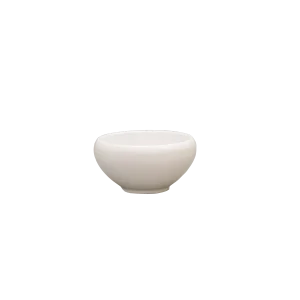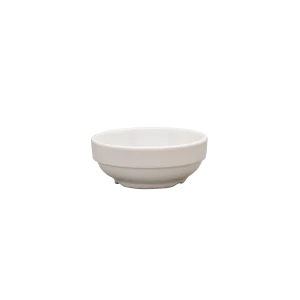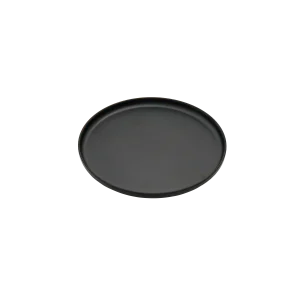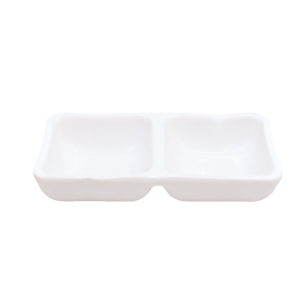
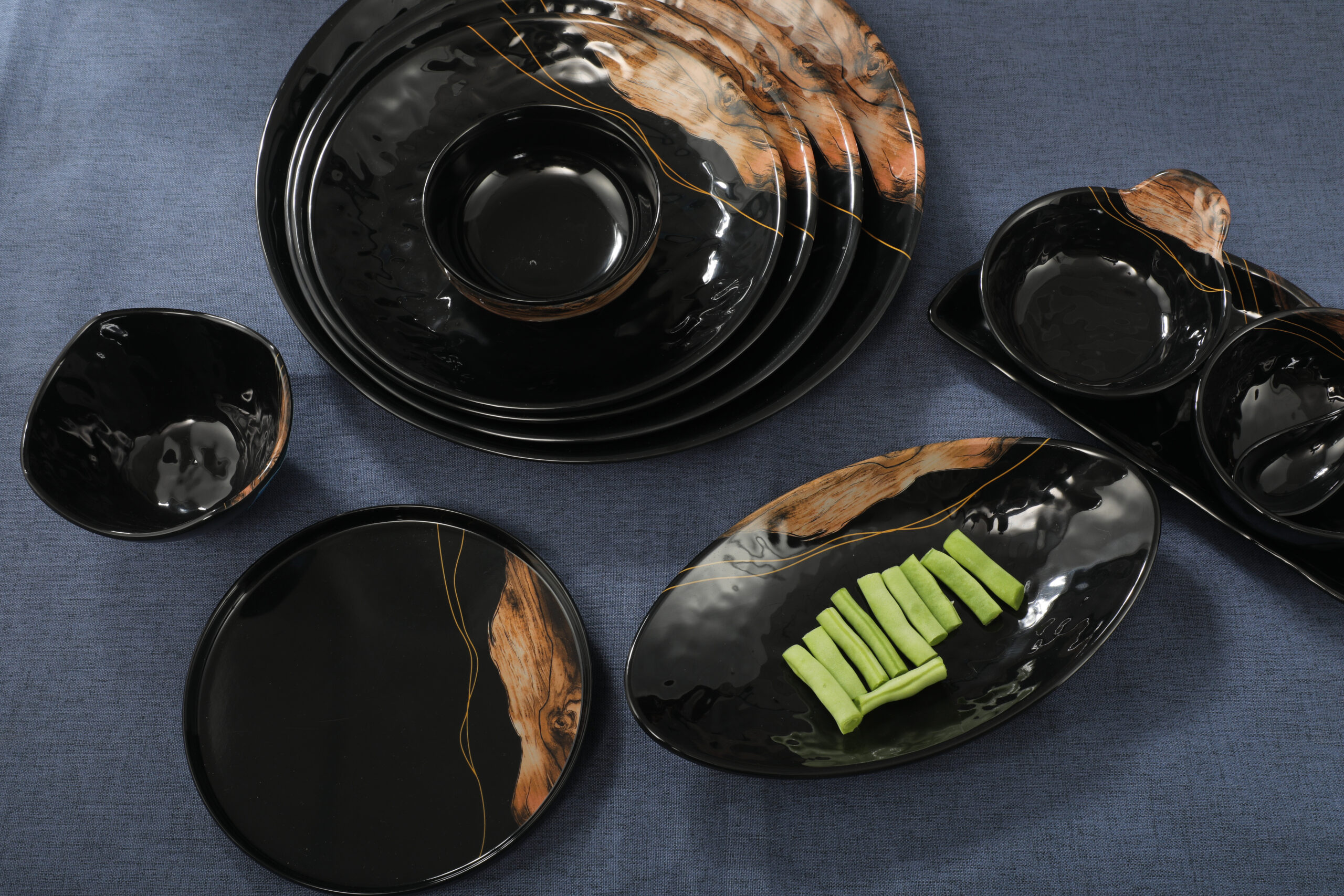
When you’re buying high-end outdoor dinnerware for a resort poolside, a busy commercial patio, or a luxury glamping setup, long-term ROI matters just as much as how the plates look on the table. A lot of hospitality procurement managers are moving away from basic whites and picking darker, sleeker tones lately—like charcoal black, navy blue, and forest green. But this brings up a big practical question: Will dark melamine actually hold up under a brutal summer sun, or is it going to fade into a dull, chalky, cheap-looking mess after one season?
The short answer is that it all comes down to material purity. Cheap plates will absolutely fade and look terrible in a matter of months, but commercial-grade dinnerware made with 100% pure A5 resin won’t fade or chalk under intense sunlight.
The science behind the fade
How well outdoor plates handle the sun depends entirely on what they’re made of and how they’re put together. In standard weathering tests, solar radiation is the main culprit behind ruined plastic. Specifically, UV-B wavelengths (280 to 315 nm) carry enough energy to break down weak, low-grade polymers.
- Low-end options (A1 and A3 grades): Cheap tableware brands often cut corners by blending a little bit of melamine with cheap urea-formaldehyde filler. When these plates sit outside, UV rays quickly snap those weak molecular bonds. The colors bleach out, the shiny surface wears away, and the material itself gets brittle.
- Premium engineering (Pure A5 grade): High-quality outdoor dinnerware uses 100% pure melamine-formaldehyde resin. This creates a tight, dense molecular structure that naturally resists sun damage. It locks the dark pigments in place and stops that annoying white, chalky look from forming even with heavy outdoor use.
Why dark colors take a worse beating
To understand why some dark plates lose their color while others stay bright, you have to look at how light and heat interact. When you put deep charcoal, midnight black, or rich navy plates on an open-air patio table, they take a much harder beating than white or pastel dishes.
The physics of dark pigments
Dark surfaces absorb light energy instead of reflecting it. While a white plate bounces back most visible light, dark pigments soak up almost the entire spectrum of solar radiation.
That absorbed light turns into heat, spiking the surface temperature of the dish. On a hot summer day, a black plate sitting under direct sunlight will get significantly hotter than a white one right next to it. This extra heat speeds up any chemical breakdown happening beneath the surface.
Sun damage at the molecular level
Heat plays a role, but the real damage comes from UV radiation. Even though UV rays make up only a small part of solar energy, their high-energy photons can easily snap the bonds in weak plastic.
When UV-B rays hit cheap or blended dinnerware, it triggers a chemical breakdown. High-energy photons snap the weaker polymer chains found in cheap urea-formaldehyde or modified resins, creating highly reactive free radicals. These radicals react with oxygen in the air, creating hydroperoxides that rapidly eat away at the resin holding the color pigments together.
As the cheap resin degrades, the color molecules break down, and microscopic cracks develop on the surface. Instead of reflecting light cleanly to show off a rich color, the surface scatters light every which way. This shows up as “chalking”—that dull, whitish film that makes dark plates look cheap, weathered, and permanently dirty. In a restaurant or hotel kitchen, these micro-cracks also trap food oils and bacteria, making them impossible to keep truly sanitary.
Testing standards like ISO 4892-3, which blast materials with fluorescent UV lamps in a lab, show that low-end plastics fail fast. Unstabilized resins mixed with cheap fillers can see their surfaces erode and colors bleach in under 200 hours of continuous UV exposure.
The Pure A5 Melamine Advantage by Dongyu Technology
This is where premium manufacturing makes a commercial difference. Pure A5 melamine-formaldehyde resin features an incredibly dense, highly cross-linked triazine ring structure. This specific molecular geometry inherently requires a much higher activation energy to break down than standard plastics.
To eliminate this weathering vulnerability, Dongyu Technology implements a specialized dual-glazing compression process for all dark-colored collections. Utilizing 100% unadulterated, food-grade A5 raw materials, the dinnerware is molded under massive hydraulic pressure and cured at exact thermodynamic thresholds. During the final molding cycle, an ultra-pure liquid melamine overlay is fused onto the body. This creates an impermeable, crystal-clear defensive shield that completely seals the organic pigments. For bulk buyers, this means the dark aesthetic remains entirely non-porous, mitigating solar thermal stress and physically blocking UV-B photons from initiating degradation—ensuring your dinnerware maintains its deep, porcelain-like luster across thousands of high-temperature commercial wash cycles.
A5 grade vs low-end melamine: The real difference for outdoor use
For commercial buyers, picking the right material grade is the difference between buying a long-term asset and getting stuck in a costly replacement loop. Two dark plates might look identical on a screen, but their chemical makeup determines whether they will survive the sun.
- A1 and A3 grades (Modified amino resins): To save money, some factories mix a small amount of melamine with cheap urea-formaldehyde resin and unrefined cellulose fillers. Urea-formaldehyde hates moisture and UV light. Outside, these weak chemical bonds break down quickly under heat and sun, turning dark pigments grey and washed out within a few months.
- A5 grade (100% Pure melamine-formaldehyde resin): Premium outdoor dinnerware is made entirely from pure melamine-formaldehyde powder. This material forms an incredibly stable, tightly cross-linked thermosetting plastic. It naturally handles temperature swings, doesn’t absorb moisture, and resists light damage.
| Material property | Premium 100% A5 melamine (Dongyu standard) | Low-end blended resin (A1 / A3 grade) |
|---|---|---|
| Chemical composition | 100% Melamine-formaldehyde resin | Heavily blended with urea-formaldehyde filler |
| UV and light resistance | Excellent. Dense molecular structure resists sun damage and fading. | Poor. Degrades fast in the sun; prone to yellowing and chalking within months. |
| Surface gloss and texture | Keeps a premium, scratch-resistant, porcelain-like finish. | Scratches easily, loses its shine quickly, and feels rough. |
| Temperature limits | Highly stable. Safe for continuous use from -20°C up to +120°C. | Narrow safety margin; prone to cracking or warping under high heat. |
| Certifications | Fully compliant with FDA, SGS, NSF, and LFGB food-grade standards. | Fails strict European and US food contact safety requirements. |
Real-world validation
The strength of A5 melamine isn’t just marketing speak; it’s backed by international regulations like EU 10/2011 and US FDA 21 CFR 177.1460. These standards state that plastics used for food must pass strict migration limits to prove they stay stable under heat and acidity.
Testing from independent labs like SGS shows that pure A5 melamine keeps its structure and shows virtually zero chemical migration under tough testing conditions (like 2 hours at 70°C in 3% acetic acid). On the flip side, low-end A1/A3 materials regularly fail because the polymer breaks down, releasing formaldehyde monomers and causing that ugly chalking on dark surfaces.
Dongyu Technology uses only certified 100% A5 food-grade powder. By pressing the material with heavy-tonnage hydraulic machines, they create a dense, non-porous surface that locks dark pigments deep inside, keeping moisture and UV rays out.
How Dongyu Technology stops fading in dark melamine dinnerware
Dongyu Technology relies on strict manufacturing engineering to keep deep charcoal blacks, rich navies, and vibrant dark tones looking sharp.
- 100% Food-grade A5 raw materials: Fending off fading starts at the molecular level. Dongyu uses only pure food-grade A5 melamine-formaldehyde resin. By avoiding cheap fillers like urea-formaldehyde, the molecular structure stays tightly bound, keeping the pigment molecules locked in place.
- High-pressure compression molding: Material density matters. Dongyu uses heavy automatic hydraulic presses to mold the raw A5 compound at around 160°C under massive pressure. This squeezes out microscopic air pockets, forming a dense surface layer that acts as a shield against oxygen and UV rays.
- Advanced dual-glazing technology: To protect the look of dark plates, Dongyu adds a specialized, high-purity melamine glazing powder during the final press phase. Under intense heat, this powder cures into a crystal-clear protective shield. This glaze acts like an automotive clear coat, taking the brunt of surface friction and deflecting solar radiation so the underlying colors don’t bleach or chalk.
- Third-party testing: Dongyu backs up its claims with regular batch testing from global authorities. Their products carry SGS certification to ensure compliance with EU and FDA migration limits, alongside NSF compliance, proving the plates stay non-porous and stable even after hundreds of cycles in a commercial dishwasher.
Best practices to make your melamine outdoor dinnerware last
Even the best A5 melamine needs the right care to maximize its lifespan and keep its deep colors looking new.
- Store it right and avoid constant sun: While premium A5 melamine handles UV rays well, it isn’t completely indestructible if left outside for years on end. When your outdoor dining areas are closed—like overnight, between shifts, or during the winter—store your dark dinnerware in covered carts or indoor cabinets. Keeping them out of the sun when they aren’t being used can extend their visual life by up to 40%. Leaving them stacked on outdoor tables 24/7 just causes unnecessary weathering.
- Skip the microwaves and extreme heat: Melamine is a thermosetting plastic, meaning its shape is permanently set during manufacturing. It cannot handle concentrated microwave radiation or temperatures above its stability limit. Keep these plates out of microwaves and conventional ovens, and keep them away from open flames like chafing dishes. The safe temperature range for food-grade melamine is -20°C to +120°C (-4°F to +248°F). Microwaves heat up moisture inside the food so fast that it can break down the plastic matrix, causing tiny cracks and dulling the dark pigments.
- Use non-abrasive dishwashing steps: The shine and UV protection on dark melamine rely entirely on that clear top glaze. If you scratch that layer, you leave the pigments exposed to chemical stains and sun damage. Clean your plates with soft sponges, microfiber cloths, or plastic mesh pads. Ban steel wool, abrasive scouring powders, and metal scrapers from the dish pit. Scratches ruin the glaze and cause light to scatter unevenly, creating a faded, chalky look. They also give food acids and harsh detergents a way to sink into the resin.
- Use melamine-safe chemical soaks: Heavy use can sometimes leave a film from hard water, oils, or proteins that makes dark plates look dull. To bring back the original shine, soak them occasionally in a mild, non-chlorine, oxygen-based destainer. Never use harsh chlorine bleach. Chlorine is too aggressive; it attacks the chemical bonds in the resin, causing immediate yellowing, surface dulling, and permanent fading.
Conclusion
When you’re setting up a high-end outdoor dining space, your tableware choices affect your brand. Going with dark, sophisticated colors is a great design move, but you have to commit to quality materials.
Fading isn’t an inherent flaw of melamine—it’s a sign of cheap chemical blending. Buying low-cost A1/A3 alternatives mixed with unstable urea-formaldehyde fillers means you’ll likely deal with fading, micro-cracks, and a chalky surface within a single season. If you want to protect your investment and keep your tables looking sharp, stick with a manufacturer that uses 100% pure food-grade A5 melamine resin. The dense, cross-linked structure naturally handles the elements, locking in rich colors and keeping that clean, porcelain-like look for years.