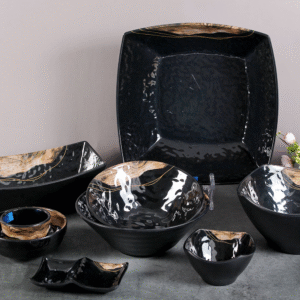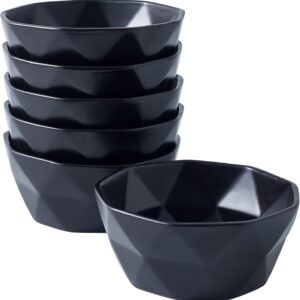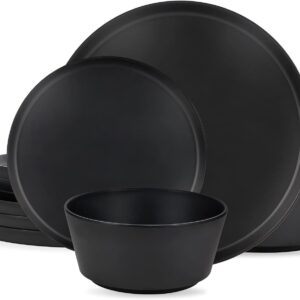
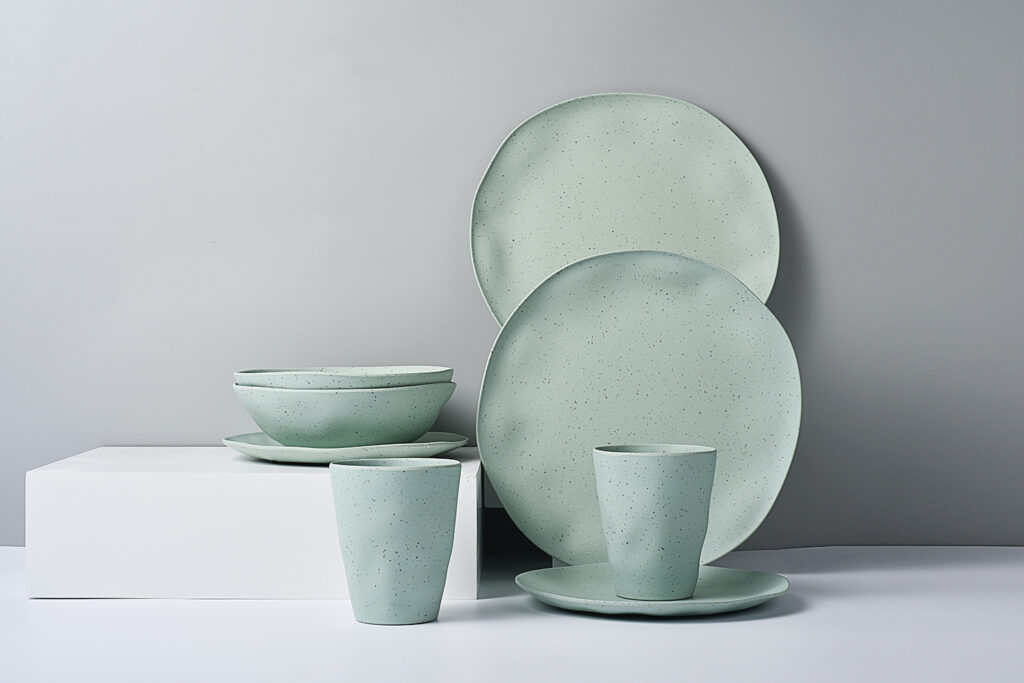
Gone are the days when melamine dinnerware was associated with dull, utilitarian designs. Today, it is a canvas for innovation, blending functionality with cutting-edge aesthetics to cater to diverse consumer tastes. From minimalist elegance to bold, eclectic patterns, modern melamine designs reflect the dynamic nature of contemporary interior and dining trends.
One prominent trend is the “natural mimicry” movement. Manufacturers are creating melamine pieces that replicate the look and texture of natural materials—marble, wood, terracotta, and even stone. This trend appeals to consumers seeking the warmth of natural materials without the fragility or cost. For example, melamine plates with veined patterns mimic Carrara marble, adding a touch of luxury to everyday meals, while those with wood grain textures evoke a rustic, farmhouse vibe, perfect for outdoor picnics or casual dining spaces.
Minimalism continues to dominate, with clean lines, monochromatic palettes, and subtle textures taking center stage. Matte finishes, in particular, have gained popularity, offering a sophisticated alternative to glossy surfaces. Neutral tones—whites, grays, beiges, and soft pastels—create a timeless look that complements any table setting, making them a favorite for both home and restaurant use. These designs prioritize simplicity, allowing the food to be the focal point while adding understated elegance.
Bold colors and geometric patterns are another key trend, especially in tableware targeted at younger consumers and casual dining establishments. Vibrant hues like emerald green, sapphire blue, and terracotta inject energy into dining experiences, while geometric shapes—hexagons, triangles, and abstract motifs—add a modern, artistic flair. These designs are often seen in brunch spots, cafes, and party supplies, where they contribute to a lively, Instagram-worthy ambiance.
Customization and personalization have also become significant. Brands now offer made-to-order melamine dinnerware, allowing customers to choose colors, patterns, and even add personalized messages or logos. This trend is particularly popular in the hospitality industry, where restaurants and hotels use custom melamine to reinforce their brand identity. For example, a beachfront resort might opt for melamine cups with palm leaf prints, while a high-end café could commission plates with its signature logo in a sleek, minimalist font.
Sustainability-inspired designs are on the rise, reflecting growing environmental consciousness. Manufacturers are incorporating eco-friendly elements, such as recycled melamine or plant-based pigments, into their designs. Additionally, some brands are creating modular sets—stackable plates, nesting bowls—that save space and reduce waste, aligning with the “less is more” ethos of sustainable living.
Seasonal and thematic designs cater to specific occasions. Holiday-themed melamine dinnerware, featuring Christmas motifs, Halloween patterns, or summer florals, allows consumers to refresh their table settings without investing in expensive, occasion-specific pieces. These designs are often lightweight and durable, making them ideal for outdoor events, barbecues, or festive gatherings.
The influence of global cultures is also evident. Asian-inspired patterns, such as cherry blossoms, bamboo, and traditional lattice designs, add an exotic touch, while Mediterranean motifs—olive branches, blue and white stripes—evoke coastal charm. This cross-cultural exchange in design ensures that melamine dinnerware appeals to a global audience, celebrating diversity through aesthetics.
In commercial settings, restaurants are using melamine to align with their brand narratives. A farm-to-table eatery might choose melamine bowls with earthy tones and organic shapes to emphasize its commitment to nature, while a trendy urban bistro could opt for bold, graphic designs to reflect its modern identity. Melamine’s versatility allows it to adapt to any theme, enhancing the overall dining experience.
Looking ahead, design innovation in melamine dinnerware shows no signs of slowing down. As technology advances, we can expect more intricate patterns, improved textures, and even smart features—such as heat-sensitive colors that indicate food temperature. Ultimately, modern melamine designs prove that functionality and beauty can coexist, making every meal a visually pleasing experience.