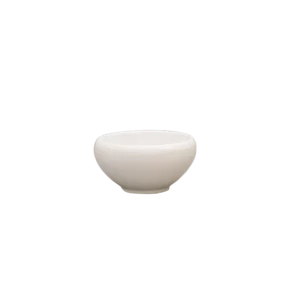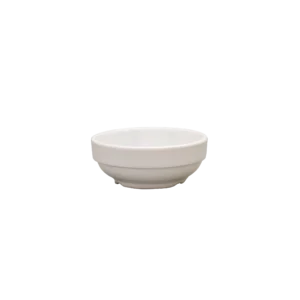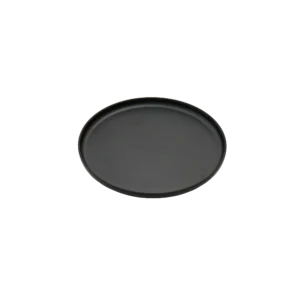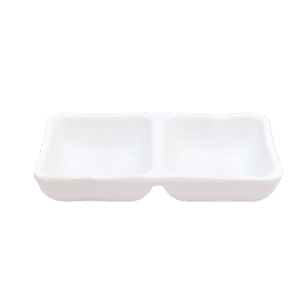


Walk into most busy restaurants during a dinner rush and you’ll notice something that rarely gets talked about: the plates. They’re being stacked, passed, dropped, scraped, washed, and stacked again, sometimes dozens of times in a single service. Yet tableware rarely gets the same attention as menu design or front-of-house training.
Ceramic and porcelain have long been the default, and they still make sense for certain concepts. But for high-volume operations like buffet restaurants, hotel breakfast rooms, outdoor cafes, and catering companies, chipped plates and replacement costs add up fast. Many of these businesses end up switching to custom melamine plates after their first busy season.
Melamine tableware isn’t new, but the customization options have expanded considerably. Restaurants can now specify shapes, colors, surface finishes, and branding elements that would have required ceramic a decade ago. Before committing to a bulk order, though, there are practical questions worth answering: what grade of melamine, which safety standards apply, whether the supplier can reproduce the same design on a reorder six months later, and how the plates will actually perform in your specific service environment.
Why Restaurants Choose Melamine Dinnerware for Daily Operations
Household dinnerware and commercial dinnerware are fundamentally different products. A family might cycle through the same eight plates for years. A mid-sized restaurant can go through hundreds of pieces every day, with each plate surviving transport, stacking, scraping, industrial dishwashing, and handling by staff who are often moving quickly.
That gap changes what matters in a purchase decision.
Durability for High-Frequency Restaurant Use
Durability is the single most common reason restaurant operators move away from ceramic. In a busy kitchen, a dropped porcelain plate is gone. A dropped melamine plate usually bounces.
The daily handling that plates endure is more abusive than it looks from the dining room. Plates get shuttled between kitchen and tables, often stacked five or six high. They’re scraped during prep and bussing, sometimes with metal utensils. They go through commercial dishwashers multiple times per shift. Multiple employees handle the same piece throughout the day.
Quality melamine plates are lightweight and resist chipping and breaking under normal restaurant conditions. For buffet restaurants, hotels, outdoor dining spaces, and catering companies, fewer breakages mean fewer interruptions and lower replacement spend.
One caveat worth stating clearly: melamine is engineered for serving food, not for cooking or reheating it. It is not microwave-safe, and it should never go in an oven or near open flame. Suppliers who gloss over this when pitching to restaurants are doing their customers a disservice.
Lightweight Design Improves Kitchen Efficiency
Weight sounds trivial until you watch a server carry a tray of twelve dinner plates across a full dining room. Or until you see the stack of clean plates a dishwasher has to move every forty minutes.
Lighter dinnerware reduces the physical load on staff during table setup, food delivery, clearing, and storage. That matters most in operations with large dining areas, buffet service, outdoor events, or multi-floor hospitality setups.
But “lightest possible” isn’t the goal. A plate that’s too light can feel cheap to guests and may not hold up to commercial dishwashing. What you want is a balance: comfortable to handle, durable enough for daily service, and substantial enough to read as professional on the table.
How Custom Designs Support Restaurant Branding
Dining is a multi-sensory experience, and the plate is the canvas food arrives on. A plate that clashes with the menu, the room, or the cuisine pulls guests out of the moment. A plate that fits the concept quietly reinforces it.
Creating a Consistent Dining Experience
The same plate does not work for every concept. A coastal seafood restaurant tends toward natural tones and ocean-inspired patterns. A modern cafe usually wants clean shapes and restrained surfaces. A resort restaurant often needs designs that survive being outdoors without looking institutional. A family restaurant prioritizes practical, easy-to-clean surfaces that still look inviting.
Custom melamine plates let restaurants specify these details instead of settling for whatever generic pattern a distributor has in stock. The plate becomes part of the brand language, consistent with the menu, the interior, and the overall positioning.
Choosing the Right Shape, Size, and Surface Design
Functionality should drive the specification, with appearance following. Here’s what that means in practice.
Plate Size
Different courses call for different plate dimensions. A main course plate, a salad plate, a dessert plate, an appetizer plate, and a serving plate all serve distinct functions, and using the wrong size undermines plating. Oversized plates make small portions look sparse. Undersized plates crowd the food and make service awkward.
Choosing sizes that match the menu also matters for the back of house. Plates need to fit the existing shelving, pass window, and dish rack systems. Buying plates that don’t fit the kitchen is a mistake operators only make once.
Plate Shape
Round plates remain the default for good reason. They stack cleanly, plate most dishes well, and work across cuisines. But other shapes have legitimate roles. Square plates suit modern, minimalist plating styles. Oval plates work well for shared dishes and family-style service. Custom shapes can reinforce a themed concept, though they complicate stacking and storage.
The shape decision should follow the menu and the service style, not the other way around.
Surface Finish and Pattern
The surface is where branding meets daily wear. A glossy finish photographs well but shows scratches. A matte finish hides wear but can stain depending on the glaze. Patterns printed on the plate need to survive hundreds of wash cycles without fading.
Before ordering, check color consistency across a full set, how the pattern holds up after commercial dishwashing, whether the surface texture traps food, and whether the overall look fits the restaurant. A plate that looks striking on a sample but turns into a cleaning problem in service is not a good buy.
What Restaurants Should Check Before Ordering Custom Melamine Plates
Buying custom restaurant tableware is not the same as buying off-the-shelf dinnerware. The process takes longer, involves more decisions, and locks the buyer into a specific look for years. Two areas deserve close attention.
1. Material Quality and Food Safety Standards
Material quality is the foundation. A plate can look identical to a higher-grade version and still perform completely differently in service.
Professional buyers should be asking specific questions. What raw material is being used, and is it food-grade melamine or a melamine-formaldehyde blend cut with fillers? What is the manufacturing process, and does it include proper curing? What food-contact safety standards does the product meet for the destination market? Can the supplier provide testing documentation to back up those claims?
For the U.S. market, that means FDA food-contact compliance. For the European market, it means LFGB. Other regions have their own standards. A supplier that cannot produce documentation should not be supplying a commercial kitchen.
Dongyu Technology, for example, produces melamine tableware using food-grade materials and supplies restaurants and hospitality businesses with products designed for commercial use. When evaluating any supplier, ask directly for compliance paperwork before placing a bulk order.
2. Evaluate the Supplier’s Customization Capability
Customization is the whole point of ordering custom plates rather than buying stock product. But “custom” means different things to different suppliers. A real custom program should cover initial design communication (can they work from a concept, or only from finished artwork?), product sampling before bulk production, color matching to brand standards, mold development when a standard shape won’t work, production consistency across batches, and packaging suited to commercial shipping and storage.
For restaurant groups, hotel chains, and distributors, the reorder question is critical. If the same plate needs to be reordered six or twelve months later, will the next batch match? Color drift, pattern shifts, and dimensional changes between batches are real problems that plague buyers who picked a supplier on price alone.
A manufacturer that understands commercial foodservice knows consistency isn’t a luxury. It’s the baseline.
Understanding Different Restaurant Applications
There is no universal dinnerware solution. The right plate depends on the service environment, the guest expectations, and the operational rhythm of the business.
Restaurants and Casual Dining
Casual dining is where melamine dinnerware earns its reputation. These restaurants need plates that handle fast table turnover, frequent cleaning, and daily guest interaction without looking worn after a month.
The design flexibility of melamine also lets casual concepts match their cuisine. Minimal designs for modern restaurants, natural textures for farm-to-table concepts, decorative patterns for themed spaces. The plate supports the concept instead of fighting it.
Outdoor Restaurants and Catering Services
Outdoor service is harder on tableware than indoor service. Plates get transported further, set down on uneven surfaces, handled more casually, and packed up after every event.
For catering companies and outdoor restaurants, lightweight and durable plates simplify logistics and reduce the constant anxiety of breakage during transport. That’s why melamine tableware is commonly specified for garden restaurants, poolside dining, resorts, outdoor celebrations, and off-premise catering.
Even with durable dinnerware, proper handling and cleaning matter. Melamine survives drops, but it doesn’t survive being scraped with metal or washed with abrasive pads indefinitely.
Hotels and Hospitality Businesses
Hotels run multiple service environments under one roof, each with different tableware needs.
Breakfast areas deal with high guest volume in a compressed window. They need plates that are easy to handle, fast to set, and efficient to store. Poolside and resort areas prioritize lightweight, attractive designs that can move outdoors. Banquet services need tableware that can survive repeated setup-and-clear cycles across large events, often handled by temporary staff.
For hospitality businesses, the dinnerware decision touches both guest experience and labor efficiency. The wrong choice shows up as higher breakage costs and slower service.
Custom Melamine Plates vs Traditional Ceramic Dinnerware
Most restaurant buyers weigh melamine against ceramic or porcelain before ordering. Both have legitimate places in foodservice.
Ceramic and Porcelain Dinnerware
Ceramic and porcelain still own the fine-dining segment. They offer a premium feel, a traditional presentation that guests associate with upscale service, and a weight that reads as substantial on the table.
The trade-offs are real. They chip, they break, and in high-volume operations the replacement cycle becomes a recurring line item. A single busy service can produce a small pile of casualties.
Melamine Dinnerware
Melamine is lightweight, durable enough for daily commercial use, and offers design flexibility that ceramic can’t match without significant cost. It works across many commercial environments: buffets, cafeterias, hotels, catering, outdoor dining.
The limitations are straightforward. No microwave use, no high-temperature cooking applications, and in certain fine-dining settings, it won’t carry the same perceived value as porcelain.
The right choice depends on restaurant positioning. A luxury restaurant built on traditional presentation may want porcelain on the table. A high-volume restaurant, a resort, or an outdoor operation will almost always be better served by melamine.
Common Mistakes Restaurants Make When Ordering Customized Tableware
Choosing restaurant plates is a long-term decision, and a few recurring mistakes cause problems that surface months after the order arrives.
Mistake 1: Focusing Only on Appearance
A striking sample plate is easy to fall in love with. But a beautiful plate that can’t handle daily service becomes an expensive problem. Before committing, evaluate material quality, durability, cleaning requirements, and supplier reliability alongside the design. The plate has to survive the kitchen, not just the photoshoot.
Mistake 2: Ignoring the Restaurant’s Real Usage Environment
A plate designed for occasional event use is not the same product as one designed for a restaurant running two hundred covers a night. Before ordering, map out how the plates will actually be used: how many times per day, what washing process, where they’re stored, and who handles them. That usage profile should drive the specification.
Mistake 3: Ordering Without Considering Future Supply
Restaurants need replacement pieces. Dishes break, get lost, or wear out. A supplier relationship matters because six months in, the restaurant will likely need additional quantities, reproduction of the same design, or new matching products in the same line. Buyers who don’t plan for this end up with mismatched tables.
Mistake 4: Choosing a Supplier Only Based on Price
The lowest unit price rarely produces the lowest total cost. Inconsistent quality, delayed shipments, and batches that don’t match the original order all cost more than the per-plate savings. A dependable supplier should be evaluated on manufacturing experience, quality control process, product certifications, communication, and production capacity, not just the quote.
How Dongyu Technology Supports Restaurant Tableware Solutions
Dongyu Technology manufactures melamine tableware for foodservice businesses that need practical, customizable dinnerware at commercial scale. For restaurant and hospitality buyers evaluating a manufacturing partner, a few areas are worth examining.
Product Development Support
A supplier that understands restaurant requirements should be able to engage on different dining concepts, various serving scenarios, bulk ordering logistics, and the need for long-term product consistency. The conversation should be about the restaurant’s operational needs, not just the supplier’s catalog.
Quality-Focused Production
Commercial tableware lives or dies on quality control. Material selection, production process management, and finished-product inspection all determine whether the plates that arrive match the samples that were approved. These processes exist to ensure products meet the standards expected for regular restaurant use, not just for the first service but for the hundredth.
Custom Solutions for Different Markets
Restaurants and distributors in different regions have different preferences, driven by local dining culture, brand expectations, and market positioning. Customization allows businesses to develop tableware that fits their specific context rather than adapting their concept to a generic product.
Conclusion
Choosing restaurant tableware is both a design decision and an operational one. The right plates need to support efficient daily service, consistent food presentation, easy staff handling, and the long-term needs of the business.
For restaurants considering custom melamine plates, the work happens before the order: understanding material quality, defining design requirements, evaluating supplier capabilities, and mapping the real usage conditions. Custom melamine plates give restaurants a practical way to combine brand identity with everyday functionality, but only when the specification and the supplier are right.
Before placing an order, evaluate the service environment, the expected usage frequency, and the long-term supply picture. Dinnerware that holds up in service, reinforces the brand, and doesn’t create problems six months down the line is worth the upfront effort.