
Introduction
If you’ve eaten out lately, you might have noticed the scenery on the table is changing. For decades, the round plate was the undisputed king of the dining room. It was easy to make, easy to stack, and did the job. But as restaurants lean into minimalism, industrial vibes, and cleaner architectural styles, that traditional circle is starting to look a bit dated. Enter rectangular dinner plates. These aren’t just for sushi anymore. Chefs and owners are picking up on the fact that a long, straight-edged canvas changes how a guest interacts with their food. It’s a shift from the “everything in the middle” approach to something more structured and deliberate.
What Are Rectangular Dinner Plates
Rectangular dinner plates are flat serving dishes characterized by their elongated, straight-edged shape, as opposed to the traditional circular form. They are commonly used for serving main courses, appetizers, shared platters, and specialty dishes.
Key Features of Rectangular Dinner Plates
1. Enhanced Surface Utilization
The rectangular shape provides a larger usable surface area relative to its footprint. This allows chefs to arrange food more creatively without overcrowding the plate.
2. Linear Presentation Structure
Unlike round plates, which naturally center the food, rectangular plates encourage linear or segmented plating. This is especially useful for dishes that include multiple components, such as proteins, sides, and sauces.
3. Versatile Sizing Options
Rectangular dinner plates are available in a variety of sizes, typically ranging from 9 inches to over 14 inches. Smaller sizes are ideal for appetizers, while larger formats are commonly used for shared dishes or tasting menus.
4. Modern Visual Appeal
The geometric design aligns with contemporary dining aesthetics, making rectangular dinner plates particularly suitable for modern restaurant decor.
Why Restaurants Prefer Rectangular Dinner Plates
It isn’t just about looking “edgy.” There’s a practical side to this geometry that makes sense for a busy floor.
- Better Table Real Estate: Round plates are notorious for leaving “dead space” between them. On a small two-top table, four round plates (bread, appetizers, etc.) create a messy jigsaw puzzle. Rectangular plates slot together much better, letting you fit more on the table without it feeling cramped.
- Linear Plating: Some food just looks better in a row. Think of a trio of desserts, a flight of sliders, or a deconstructed main course. A rectangular plate lets a chef “tell a story” from left to right.
- Instagram Factor: We can’t ignore that people eat with their phones first now. The framing of a long plate often fits a smartphone screen better than a circle, making the food look more professional and “composed” for a quick photo.
Choosing the Right Rectangular Dinner Plates
Selecting the right material is just as important as choosing the shape. Different materials offer varying levels of durability, cost efficiency, and aesthetic appeal.
Melamine Rectangular Dinner Plates (Recommended)
Melamine is one of the most popular materials for commercial tableware, especially in high-traffic restaurant environments.
Advantages:
- Durability: Melamine is highly resistant to breakage, making it ideal for busy restaurants
- Lightweight: Easier for staff to handle, reducing fatigue and improving service efficiency
- Cost-effective: Lower replacement costs compared to ceramic or porcelain
- Versatile design options: Can mimic the appearance of ceramic, stone, or wood
Because of these advantages, many restaurants prioritize durability when selecting tableware. Melamine rectangular dinner plates provide a practical solution without compromising on appearance. Dongyu Technology specializes in manufacturing melamine tableware that combines durability with modern design, making it a strong choice for restaurants seeking long-term value.
Porcelain and Ceramic
Porcelain and ceramic plates are often associated with fine dining due to their premium look and feel.
Advantages:
- Elegant and refined appearance
- Suitable for upscale dining environments
Disadvantages:
- Fragile and prone to chipping or breaking
- Higher cost over time due to replacements
Stoneware and Other Materials
Stoneware offers a balance between durability and aesthetics. It is commonly used in casual dining settings where a rustic or artisanal look is desired.
Custom Rectangular Dinner Plates
In a competitive restaurant market, branding extends beyond logos and menus—it includes every detail of the dining experience, including tableware.
Logo and Pattern Customization
Custom rectangular dinner plates can feature logos, patterns, or unique designs that reflect the restaurant’s identity. Advanced manufacturing techniques allow these designs to be embedded into the plate surface, ensuring long-lasting quality. This not only enhances brand recognition but also creates a cohesive visual experience for customers.
Color and Texture Design
Restaurants can choose from a wide range of colors and textures to match their interior decor. Popular options include:
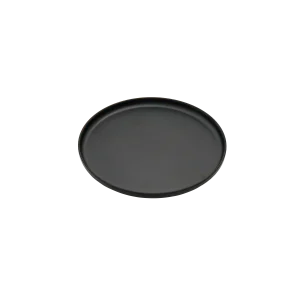
- Matte black for modern minimalism
- White for classic elegance
- Stone or marble textures for a premium feel
- Wood-like finishes for natural or rustic themes
Functional Customization
Custom designs can also address functional needs, such as:
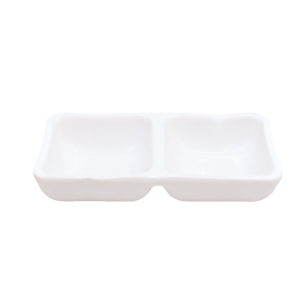
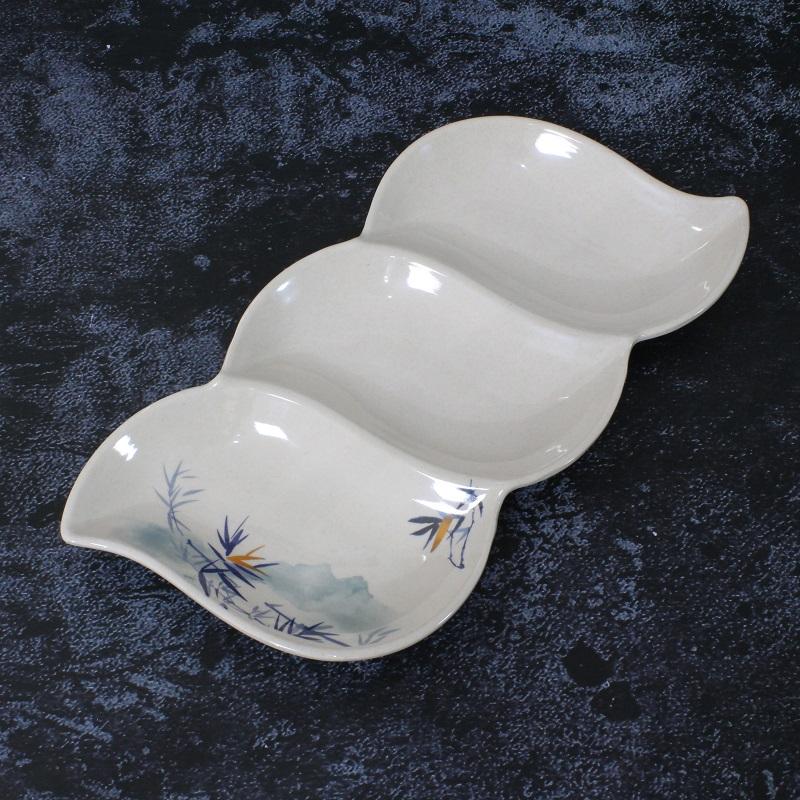
- Divided sections for multi-component dishes
- Slightly raised edges for sauce containment
- Different depths for various cuisines
Dongyu Technology offers OEM and ODM services, allowing restaurants to tailor rectangular dinner plates according to their specific operational and aesthetic requirements.
How Rectangular Dinner Plates Enhance Restaurant Operations
Efficient Storage and Stackability
Rectangular plates are easier to stack neatly due to their straight edges. This helps maximize storage space in kitchens and reduces clutter.
Improved Workflow Efficiency
Well-designed tableware can streamline kitchen operations. Rectangular dinner plates allow for faster plating and more consistent presentation, which can improve overall service speed.
Cost Control Through Durability
Durability is a key factor in controlling operational costs. Melamine rectangular dinner plates, in particular, reduce the frequency of replacements, helping restaurants maintain profitability over time.
How to Choose the Best Rectangular Dinner Plates for Your Restaurant
Selecting the right rectangular dinner plates involves balancing aesthetics, functionality, and budget.
Consider Your Menu Type
Different cuisines require different plate designs:
- Fine dining: sleek, minimalist plates
- Casual dining: durable and versatile options
- Asian cuisine: elongated plates for sushi or shared dishes
Match Your Interior Design
Your tableware should complement your restaurant’s decor. Consistency between tableware and interior design enhances the overall dining experience.
Evaluate Durability Needs
High-volume restaurants should prioritize durability and ease of maintenance. Melamine is often the best choice in such cases.
Choose the Right Size
- 9–10 inches: individual servings
- 11–12 inches: main courses
- 13+ inches: sharing platters
Why Choose Dongyu for Custom Rectangular Dinner Plates
Dongyu Technology has established itself as a reliable manufacturer of melamine tableware, offering solutions tailored to the needs of modern restaurants.
Key Advantages:
- Extensive experience in melamine production
- Custom design capabilities (OEM/ODM)
- Wide range of styles and finishes
- Focus on durability and functionality
Not all melamine is created equal. For modern restaurant decor, Dongyu Technology utilizes 100% A5 food-grade melamine resin. Unlike lower-grade blends, A5 is:
- BPA-Free & Non-Toxic: Certified for direct food contact under FDA and EU regulations.
- Thermal Insulation: It maintains food temperature longer than porcelain while remaining cool to the touch for servers.
- Stain Resistance: Engineered to resist tannins from coffee, tea, and acidic sauces, ensuring the “modern decor” look stays pristine over 1,000+ industrial wash cycles.
By choosing Dongyu, restaurants can access high-quality rectangular dinner plates that combine design flexibility with operational efficiency.
Conclusion
We’re past the era of one-size-fits-all. Most owners now want their plates to be as much a part of the brand as the sign out front. Whether it’s a matte black finish for a minimalist look or a wood-grain texture for a “farm-to-table” vibe, the flexibility is there. Through OEM and ODM services, you can even get functional tweaks—like raised edges to catch a specific sauce or divided sections for tasting menus. At the end of the day, your tableware shouldn’t just be a vessel for food; it should be part of the decor. Switching to a rectangular format is an easy way to signal to your guests that you’re paying attention to the details. It’s organized, it’s efficient, and frankly, it just looks a lot cooler.