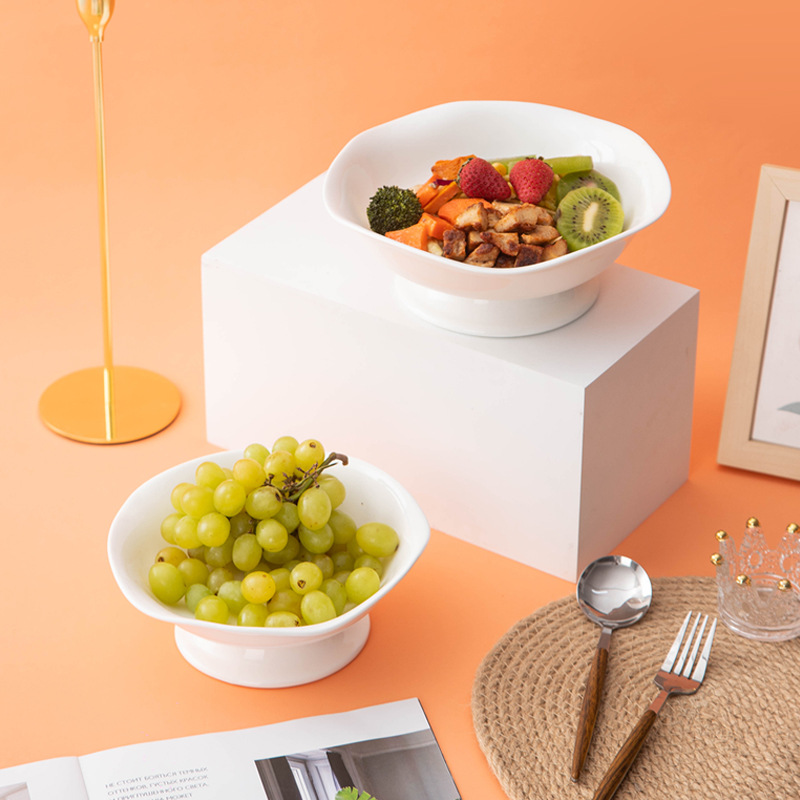
Planning a weekend picnic usually starts with a great vision: a sunny meadow, a light breeze, and a spread of good food. But anyone who has actually hosted an outdoor lunch knows that moving a dining setup from your kitchen to a patch of grass comes with real structural problems. Standard plates force you to choose between something that looks decent and something that won’t shatter. Traditional ceramic or porcelain plates are just bad for uneven terrain. Put a standard 10.5-inch ceramic dinner plate on a sloped lawn or sandy beach, and its high center of gravity becomes a liability. A sudden gust of wind or a stray football can tip it over, leaving sharp, tiny shards hidden in the grass where people are walking barefoot.
Going the other route with cheap paper or flimsy plastic plates brings a different headache. Billions of tons of single-use plastics choke up ecosystems every year, making them an eco-conscious liability. Functionally, cheap paper plates possess poor structural integrity when exposed to moisture. If you load them up with heavy, wet foods—like BBQ pork ribs with acidic glaze, vinaigrette-dressed Italian pasta salads, or hot juicy sliders—the paper absorbs oils and liquids rapidly. Within 20 to 30 minutes, the plate softens, bends, and leaks right through the bottom. Plus, a standard 9-inch paper plate weighs less than 15 grams. A gentle 5-knot breeze (a Gentle Breeze on the Beaufort Scale) can easily lift and flip empty or lightly loaded plates, scattering your lunch across the park.
Because of these persistent outdoor hosting pain points, event planners, caterers, and regular hosts are moving toward high-performance, reusable options. That is why melamine outdoor dinnerware is the go-to choice for contemporary outdoor dining.
Why Premium Melamine Outdoor Dinnerware Works for Picnics
To understand why premium melamine outperforms traditional materials outside, you have to look at the material science. High-quality melamine is not cheap, flimsy plastic. It is a highly engineered thermosetting polymer designed for strength, lower weight, and thermal efficiency.
The structural integrity comes down to a chemical cross-linked polymer matrix. Premium melamine dinnerware is made from melamine-formaldehyde resin. During manufacturing, the raw powder is cooked under extreme conditions—specifically, temperatures between 150°C and 165°C and intense high pressure from 35 to 40 MPa.
This intense environment triggers a chemical cross-linking curing process, turning the powder into a dense, three-dimensional network structure. Once cured, the final product is completely inert, dense, and scores high on the Mohs hardness scale. Because of this, high-quality melamine outdoor dinnerware holds up beautifully against the daily friction and scratching caused by stainless steel forks and steak knives.
Shaving Off the Weight
One of the worst parts of a picnic is lugging a heavy hamper around. While ceramic and stoneware feel premium, their weight makes them terrible for transport. If you are looking at melamine outdoor dinnerware for bulk wholesale or retail distribution, weight reduction is the biggest selling point for customers:
- Standard Ceramic/Porcelain Plate (10-inch): Weighs between 800g and 1,000g.
- Premium Melamine Plate (10-inch): Weighs only 250g to 350g.
That is a 60% to 75% reduction in total weight. For a family of four packing main plates, side plates, and bowls, traditional ceramics add over 8 to 10 kilograms of dead weight to a hamper. Switching to high-quality melamine outdoor dinnerware drops that weight by about 2.5 to 3 kilograms (over 5.5 lbs) for the main plates alone, giving you the look of a nice dinner without the backache.
Better Thermal Insulation
People often forget about thermal conductivity—how fast heat travels through a plate. When you are serving hot picnic foods like fresh BBQ, hot chili, or grilled vegetables, the plate’s material changes how fast the food cools down and whether you can hold it comfortably.
Melamine resin has a very low thermal conductivity, usually around 0.1 to 0.2 W/m·K. Compare that to stainless steel—a popular choice for camping plates—which has a thermal conductivity greater than 15 W/m·K. Because stainless steel conducts heat so fast, pouring hot soup or sliding a burger onto a metal plate makes the outside burning hot to the touch while pulling heat out of your food. Melamine’s thermal insulation slows this process way down. Your meals stay warmer for longer in the open air, and the bottom of the plate stays cool and comfortable to hold with bare hands.
What to Look For When Sourcing Melamine Tableware
For B2B buyers, retail category managers, and e-commerce brands sourcing bulk melamine dinnerware sets, you have to verify technical specs and regulatory compliance. The market has plenty of cheap knockoffs, so you need to know how to spot real industrial-grade safety and durability before signing a sourcing contract.
1. 100% Food-Grade Safety (A5 Material)
Your first priority when buying wholesale tableware is material purity. Lower-tier products often use urea-formaldehyde resin (labeled as A1 or A2 material) or cheap blended compounds. These materials have terrible thermal stability; they degrade and release harmful chemical residues when they touch acidic foods or minor heat, failing basic safety tests.
Premium melamine outdoor dinnerware must be made from 100% pure melamine-formaldehyde resin, known as A5 material. A5 grade melamine is non-toxic, odorless, and completely BPA-free (Bisphenol A free).
When picking a manufacturing partner for high-volume procurement, look for international compliance certifications. For example, Dongyu Technology builds its whole wholesale tableware catalog to meet international safety frameworks, passing:
- The United States FDA 21 CFR 177.1460 standards for polymer testing.
- The European Union EU No 10/2011 regulations for plastic food-contact materials.
- Germany’s strict LFGB (Food, Commodities, and Feed Code) requirements.
- Migration and dissolution testing supervised by SGS, ensuring the product stays 100% food-safe during regular use.
2. The Microwave & Temperature Rules
To protect your inventory, you need to put clear temperature limits in your product guides. Premium A5 melamine handles temperatures from -20°C up to 120°C (-4°F to 248°F). This means the dinnerware is safe for residential and commercial dishwashers. To keep the gloss finish looking good long-term, it is best to wash them on the top rack using standard cycles under 70°C (158°F).
However, you have to remember one strict rule: never use melamine dinnerware in microwaves or conventional ovens. Direct microwave radiation or heat over 120°C breaks down the molecular bonds of the polymer. This thermal stress dries out the resin matrix, causing micro-cracking, blistering, and early structural failure.
3. Stain & Scratch Resistance
Hospitality buyers and event planners need tableware that lasts. Picnics involve highly pigmented, acidic, and oily ingredients like Italian Bolognese sauce, turmeric curry, beetroot salad, and red wine reductions. Cheap plastic tableware absorbs these pigments quickly, leaving permanent yellow stains.
Premium melamine stops this with a surface finishing process. During the final compression stage, a high-density melamine glazing powder goes over the surface and decorative decals, followed by high-temperature sintering. This creates an impermeable, glass-like protective Glaze Layer that prevents food molecules from sinking in. Even when left covered in staining agents like tomato paste or dark vinegars for 24 hours, a standard wash cleans the plate completely, leaving no stains or smells behind. This scratch-resistant glazing keeps bulk shipments looking new through hundreds of commercial reuse cycles.
Moving Past the “Cheap Plastic” Look
For years, people associated synthetic tableware with ugly, flimsy industrial plastics. That look is gone. Thanks to updates in manufacturing tech, modern melamine outdoor dinnerware fits right into luxury lifestyle lines and matches what design-conscious buyers expect.
Realistic Textures
Modern design relies on two main upgrades: high-definition film decal application and specialized tactile mold surface textures. By controlling how design films fuse during the thermosetting process, premium manufacturers copy the natural imperfections of handmade tableware.
Unless you pick up the plate and notice how light it is, you can rarely tell high-end melamine from heavy earthenware. It easily mimics the color gradients of a fired reactive glaze, the matte finish of stoneware, marble veining, or the contrasting rims of vintage enamel camping ware. This lets retailers sell picnic collections that look just like an upscale indoor dining table.
Advanced OEM/ODM Engineering Capacities
Making these realistic surface textures takes serious hardware and thermodynamic control. Small shifts in pressure or time can blur graphics, alter colors, or leave ripples on the surface.
This is where specialized suppliers like Dongyu Tableware (Dongyu Technology) come in. Working in mid-to-high-end melamine engineering since 2007, Dongyu runs over 50 sets of automatic, high-precision hydraulic molding presses. This large hardware setup gives uniform pressure and heat across every single batch.
Whether a brand wants sharp geometric patterns, classic Round/Oval Plates, or custom shapes, Dongyu handles industrial color-matching mapped to universal Pantone color codes. Their production options include the Pearl Series (with a subtle iridescent luster) and themed Festival Series for seasonal retail sales. This is why Dongyu is a main supply chain partner for European and American department stores and top Amazon private labels.
The Ultimate Picnic Tableware Selection Checklist
| Category / Piece | Recommended Specs & Dimensions | Essential Practical Purpose |
|---|---|---|
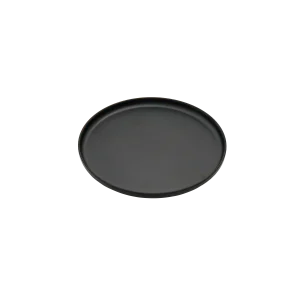
| Dinner Plates | 10″ to 11″ Round or Square Plates | Main entree staging. Accommodates heavy grilled items, BBQ meats, and large steaks, while preventing rich meat juices from overflowing onto picnic textiles. |
| Salad/Side Plates | 8″ to 8.5″ Round Plates | Optimized for cold starters, pre-cut artisanal cheeses, fresh sliced fruits, and individual artisan bread rolls. |
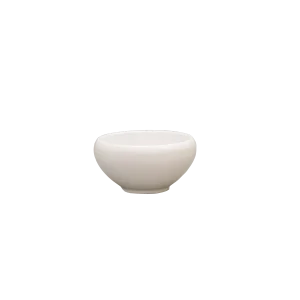
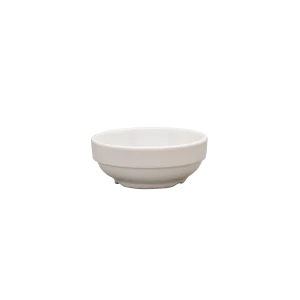
| Melamine Bowls | 6″ to 7″ (Capacity: 16-24 oz) | Designed for deep-tossed leafy greens, chilled gazpacho, or warm stews. High vertical sidewalls prevent liquid spillage when placed on uneven turf or sandy terrain. |
| Serving Trays | 14″ to 16″ Oval or Rectangular with Integrated Handles | The Picnic Anchor. Oversized surface area allows a single host to transport entire courses or bulk drinks from a vehicle cooler straight to the picnic blanket in one trip. |
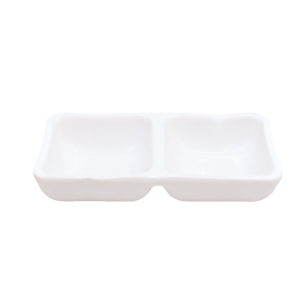
| Sauce Dishes | 3″ to 4″ Mini Dipping Cups | Containment for spicy mustard, thick BBQ glazes, and ketchups. Isolates highly viscous condiments to preserve individual food flavors. |
Conclusion
Picking the right melamine outdoor dinnerware isn’t a tradeoff between tough construction and nice design anymore. For consumer markets, importers, and hospitality buyers, premium A5 melamine tableware gives the visual appeal, lightweight portability, and material safety that modern customers look for. For sourcing managers, procurement directors, and e-commerce store owners, your edge comes down to supply chain stability and strict compliance. That is why working with an established factory matters.
With over 50 automated hydraulic molding presses, Dongyu handles quick mold engineering, ODM/OEM customization, and precise Pantone color-matching. After nearly two decades as a Tier-1 factory supplier for major European and American department stores and top Amazon private labels, Dongyu has the capacity, compliance infrastructure, and logistics experience to support your global market share.