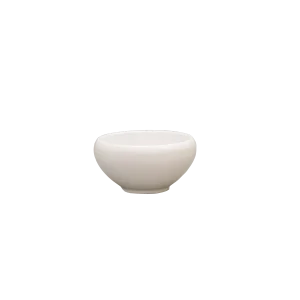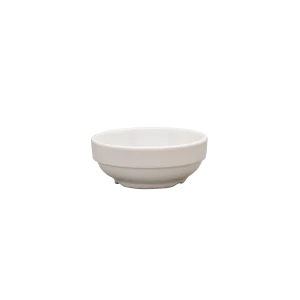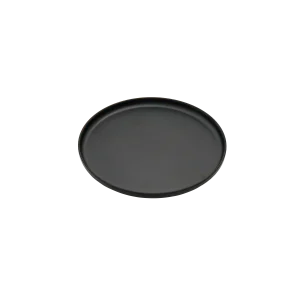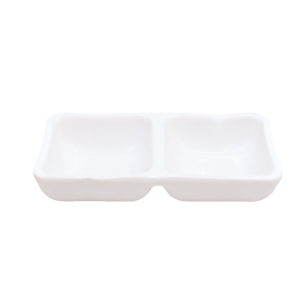


Melamine plates are the workhorses of professional kitchens. Lightweight, nearly impossible to chip, and cheap enough that replacing one does not hurt. For restaurants, hotels, catering companies, and anyone serving food outdoors, that combination matters more than fine china ever could.
Black and white are the colors buyers ask for first. White plates make food look better — colors pop, presentation looks clean, customers take photos that end up on Instagram. Black plates hide wear and add a modern edge. A white sauce on black looks dramatic. A bright salad on black looks current. Both work with any cuisine, any decor, any service style. That flexibility is why they dominate B2B orders year after year.
Why Black and White Still Lead Commercial Orders
Trends come and go. Black and white do not.
White plates are the default for most restaurants because they let the food speak. Customers photograph their meals, post them, and drive repeat visits without the restaurant spending a dollar on marketing. Black plates are what chefs reach for when they want contrast and a modern feel.
The practical side matters too. Neutral plates match existing tableware. You do not need to replace chargers, glassware, or linens to make them work. For multi-unit operators and event rental companies, that compatibility cuts costs and simplifies inventory.
Photographers and food stylists prefer black and white for the same reason chefs do: the plate does not fight the dish. If your clientele cares about menu photography or social media, neutral plates are a business decision, not just a style choice.
What Makes Melamine Plates Practical for Commercial Use
In a busy kitchen, dinnerware takes abuse. Plates get stacked hot, dropped in bus tubs, run through dishwashers on short cycles, and packed into transport crates. Ceramic cracks. Porcelain chips. Melamine survives.
The material is a thermoset resin. Once molded and cured, it does not soften under heat the way standard plastics do. Quality melamine has a hard, dense surface that resists scratches, stains, and impacts better than ceramic at half the weight. A full dinner plate weighs roughly half what ceramic does. That matters when servers carry four at a time or when you are shipping a thousand units across the country.
Stain resistance is another reason restaurants switch. Tomato sauce, turmeric, coffee, wine — melamine handles them better than porous ceramic glazes. The surface cleans fast, which helps during turnarounds. Most commercial-grade melamine is dishwasher-safe on the top rack, though harsh abrasives and pre-soak chemicals will dull the finish over time.
For catering and outdoor events, the shatterproof nature is not a convenience. It is a liability issue. No broken glass on a pool deck. No ceramic shards in a park. Event insurers and venue managers notice.
Restaurant and Hotel Applications
Professional buyers care about total cost of ownership, not just unit price.
High-volume restaurants use melamine for breakfast service, buffets, and outdoor seating — anywhere breakage rates run high. Hotels use it for room service and poolside dining. The plates stack neatly, store in less space, and survive handling that destroys traditional dinnerware.
Servers move faster with lighter plates. During a Friday dinner rush, that speed translates into more turns per table. In catering, weight savings add up when you are loading and unloading hundreds of covers.
Catering and Event Rentals
Catering operations need three things: transportability, stackability, and consistency across large sets. Black and white melamine plates check all three.
They nest in standard dish crates. They weigh less, so fuel costs for transport drop. They look identical plate to plate, which matters when you are setting a 200-person wedding. And when a guest drops one, nothing breaks.
Event rental companies like the return on investment. A single set of quality melamine can handle hundreds of events before showing wear. Replacement costs are low, and the neutral colors work for corporate functions, weddings, backyard parties, and everything between.
Outdoor Dining and Recreation
Food trucks, beach clubs, campgrounds, and rooftop bars share the same problems: wind, uneven surfaces, and customers who are not careful. Melamine plates handle all of it.
They do not shatter on concrete. They do not blow off tables as easily as paper. They clean up with a quick rinse if water is limited. For operators in outdoor or remote locations, they are simply more practical than anything else.
What Buyers Should Verify
Not all melamine is equal. Food-grade melamine uses specific resin formulations and molding processes. Lower-grade products cut corners on raw materials or curing times, which can lead to problems with heat resistance and migration limits.
Before placing a bulk order, request documentation. Reputable manufacturers should provide:
- FDA compliance for United States food contact use
- LFGB certification for German and broader European markets
- EU Regulation 10/2011 compliance for European food contact materials
These tests verify that the material meets migration limits for formaldehyde and melamine monomer under standard use conditions. Without them, you are taking the supplier’s word.
Usage Limits Buyers Need to Know
Melamine plates are servingware, not cookware. They should not go in microwaves or ovens. Direct flame, boiling liquids, and prolonged exposure to temperatures above 70 degrees C (158 degrees F) can degrade the surface and increase migration risk.
Harsh abrasives — steel wool, scouring powder, aggressive pre-soak chemicals — scratch the finish and create places where bacteria collect. Soft sponges and mild detergents keep the surface intact longer.
Most commercial users understand these limits. They are trade-offs that make sense for serving applications.
Maintenance Tips That Extend Service Life
Even durable products last longer with basic care. Here is what commercial kitchens and rental operations actually do:
- Wash with mild detergent and soft sponges. Avoid abrasive scrubbers.
- Do not stack plates while they are still hot from the dishwasher. Thermal stress warps edges over time.
- Store out of direct sunlight if the plates sit unused for long periods. UV exposure fades colors over years.
- Inspect new shipments on receipt. Quality manufacturers run their own inspections, but checking your delivery is standard practice.
With reasonable care, commercial-grade melamine plates last three to five years in daily service. In intermittent use — events, seasonal outdoor dining — they last much longer.
What to Look for in a Supplier
When you are buying hundreds or thousands of units, consistency matters more than design flair. A good supplier delivers the same plate, batch after batch, with the same weight, the same finish, and the same color.
Evaluate suppliers on these points:
- Manufacturing experience. How long have they produced melamine tableware? Mold making, curing control, and quality inspection all improve with time.
- Equipment and capacity. Modern molding machines produce more consistent results than older manual presses. Ask about machine types and daily output.
- Quality control processes. Do they inspect during production, after molding, and before packing? What is their defect rate?
- Certifications. Can they provide FDA, LFGB, or EU test reports? Are these from third-party labs or internal tests?
- Order flexibility. Do they require massive minimums, or can they handle smaller trial orders before scaling up?
- Export experience. Have they shipped to your market before? Do they understand packaging requirements for international freight?
Hunan Dongyu Technology Co., Ltd. has manufactured melamine tableware since 2007. The company operates modern molding facilities in China and supplies both domestic and export markets with a focus on mid-to-high-end commercial dinnerware. Their product range includes multiple sizes and finishes in black and white, with quality controls covering edge strength, surface consistency, and weight balance.
Cost and Environmental Considerations
From a purely financial perspective, melamine wins on total cost of ownership. The upfront price per unit is lower than ceramic. The replacement rate is lower. Shipping costs are lower because the weight is lighter.
For businesses watching margins — which is most of them — that math is straightforward.
On the environmental side, melamine is not biodegradable and not widely recyclable in standard municipal systems. The argument for it is longevity. A plate that lasts five years replaces dozens of paper or disposable plastic plates over its life. Reusable dinnerware, whatever the material, generally beats single-use on overall waste.
Design Flexibility: Mixing with Other Tableware
Black and white melamine plates work with other materials. White plates pair with wood chargers, linen napkins, and clear glass for a natural look. Black plates go with metal flatware and minimalist ceramics for modern settings.
This matters for buyers who already own tableware and do not want to replace everything. You can add melamine gradually, test it in specific service areas, and expand if it performs. No need for a full switchover.
Finish Options: Glossy vs Matte
Most commercial buyers choose between glossy and matte finishes.
Glossy surfaces look cleaner under dining room lighting and reflect light in ways that make food look fresh. They are also easier to wipe down quickly between courses.
Matte finishes hide minor scratches better and feel more contemporary to the touch. For high-volume operations where plates see constant use, matte can look newer longer.
Both finishes clean the same way. The choice usually comes down to the aesthetic the buyer wants and the lighting conditions where the plates will be used.
Why Professional Buyers Keep Coming Back to Black and White
The dining industry talks a lot about trends. Slate gray plates. Earth tones. Reactive glazes. Most of those trends fade. Black and white do not because they solve real problems.
They work with any cuisine. They photograph well. They do not clash with existing decor. Restaurants, hotels, and caterers have tested every alternative, and most settle back on neutral colors because they are predictable.
Predictability is valuable when you are managing inventory for multiple locations or planning table settings for a 500-person event.
Conclusion
Black and white melamine plates are not exciting. They are practical, durable, and cheap to own in the long run. They survive daily abuse that destroys ceramic. They cost less over time. They work in almost any setting.
If you are outfitting a restaurant, stocking a hotel, or building a catering inventory, they are worth evaluating against whatever you are using now. Look for food-grade materials, proper certifications, and suppliers with the equipment and experience to deliver consistent quality at volume.
Interested in wholesale pricing or samples? Contact Dongyu Technology to discuss minimum order quantities, customization options, and shipping to your region.