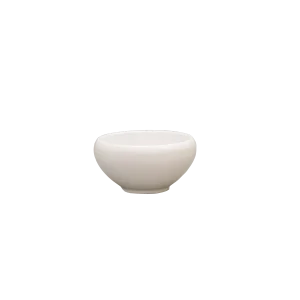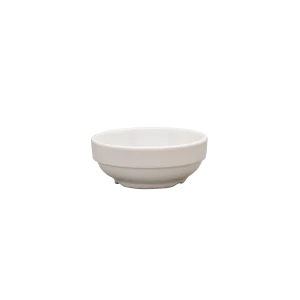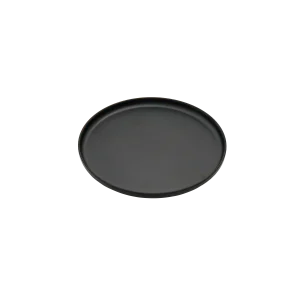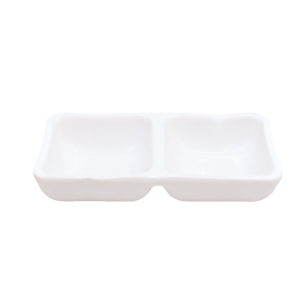
Two plates sit in front of you on the supplier’s quote. One says melamine, one says polypropylene, and the prices are close enough that the label feels like a coin flip. The real question behind “is melamine better than plastic” is not which material is nobler. It is which one keeps its shape under hot food, survives the bus tub, and passes the food safety check your inspector will run.
This piece lines melamine up next to common plastic, polypropylene in particular, so you can choose by scenario.
Melamine Is Plastic, Just a Stiffer Kind
Melamine confuses buyers because it sits in the same aisle as “plastic” yet behaves nothing like the tub in your fridge. The straight answer to “is melamine a plastic” is yes. It is a thermoset plastic, while the polyethylene and polypropylene tubs are thermoplastics. That one word, thermoset against thermoplastic, drives every difference that follows.
Thermoset vs Thermoplastic in Plain Terms
Think of thermoset as concrete. Once it cures, it stays put and will not flow again. Thermoplastic is more like candle wax: warm it and it gives, heat it enough and it deforms. A melamine bowl holds boiling soup without losing form. A thin PP tub under the same soup can bow at the rim. That picture is the whole melamine vs plastic story in a single move.
What This Means for a Hot Plate
Because melamine locks its shape, it reads as rigid tableware on the table. PP stays flexible, which helps it bounce but also lets it cup under heat. Keep this split in mind as we go through heat, drops, and the safety line, because the answer to is melamine better than plastic shifts with each job.
Heat Is Where the Two Split First
Heat is the first place the two materials part ways. A plate that looks fine cold can betray you the moment soup hits it.
- Melamine handles serving heat up to about 120°C (248°F) without warping, because the thermoset will not melt.
- Polypropylene begins to soften near boiling point (100°C) and can deform above it.
- The microwave rule: melamine is not microwave safe. PP in many food-grade grades is.
Microwaves heat the food, not the bowl, and that food crosses 100°C in seconds. Localized heat like that can damage the resin, so the rule stays simple: melamine goes in the dishwasher, never the microwave. In a ramen shop or a hotel breakfast line, plates see 80 to 95°C food several times an hour. Melamine takes that all day. For the mechanics of melamine heat safety, we covered the limits in a separate piece.
Drops, Scratches, And Dishwasher Life
Why Melamine Chips Instead of Shattering
Drop melamine on tile and it can chip at the edge rather than shatter. That is still better than ceramic, and far safer near bare feet. PP is flexible, so it bounces, but it scuffs and bends and shows scratches sooner because the surface is softer.
Dishwasher Cycles Wear Thin Walls Faster
Melamine has a hard, dense surface that shrugs off forks and leaves few crevices for bacteria to hide. Makers rate dishwasher-safe melamine for a long run of daily cycles. Thin thermoplastic walls cloud and curl well before that. In the batches we ship to resorts, the wear notes that reach us are almost always edge chipping from tile drops, never the surface going soft. Ask your supplier for the rated cycle count instead of guessing, because the number shifts with wall thickness and grade.
The Safety Line You Cannot Cross
Safety is the part buyers phrase worst. The claim “melamine is safer than plastic” is only half true, and the half that matters is the use case.
BPA, Food Grade, And What Not to Do
Melamine is inherently BPA free because its chemistry carries no bisphenol. Polypropylene and polyethylene are also naturally BPA free. The plastic that gave “plastic” a bad name here is polycarbonate, the old clear tough stuff that can contain BPA. So melamine only beats plastic on BPA when the plastic in question is polycarbonate. Against PP it is a tie.
Food grade is the next gate. A5 grade melamine means the ware is pure melamine and cleared for food contact. Lower grades like A1 or A3 mix in urea-formaldehyde and are not for food. Regulators cap how much melamine can migrate into food: the EU specific migration limit is 2.5 mg per kg of food, and health agencies set a tolerable daily intake near 0.2 mg per kg of body weight. Confirm the current limit for your market before you write spec sheets. The reason lead-free dinnerware matters goes past melamine alone, and we wrote a separate piece on spotting contaminated plates.
In our own supply work for North American restaurants and resorts, the plates that survive daily bus-tub drops are almost always A5-grade melamine. The first spec we check is the A5 mark, not the price.
Melamine vs Polypropylene, Head to Head
Polypropylene is the plastic most buyers mean when they say “plastic plate.” Lining the two up directly makes the trade-offs clear.
| What matters | Melamine (A5) | Polypropylene (PP) |
|---|---|---|
| Hot food without warping | Yes, up to ~120°C | Softens near 100°C |
| Microwave safe | No | Yes, in food-grade grades |
| Drop behavior | Chips, will not shatter | Bounces, scuffs, bends |
| Dishwasher life | Years of daily cycles | Thin walls cloud sooner |
| Look on the table | Reads as ceramic | Reads as utility |
| Unit cost | Higher | Lower |
Melamine wins on rigidity and a presentation that reads as real tableware. On a buffet, melamine looks like china while PP looks like a takeout cup. PP wins on reheating and price. Neither is “the safe one” across the board, which is why the honest answer to is melamine better than plastic is “it depends on the job.”
Match the Material to the Job
- Kids and outdoor service: melamine. Drop safe and ceramic-looking.
- Microwave reheating: PP. Melamine never goes in the microwave.
- Tight budget, disposable: PP or single-use plastic. Lower unit cost.
- Front-of-house plating: melamine. Ceramic look without the breakage bill.
Reusable melamine also beats single-use plastic when the goal is cutting waste without buying ceramic’s replacement bill. A poolside brunch, a kids’ cafeteria line, and a resort buffet all favor a plate that will not shatter and will not warp under warm food. A microwave prep station and a cost-first takeout run favor PP.
How to Vet a Food-Safe Melamine Plate
- Confirm A5 grade. Pure melamine is the food-contact grade. Walk away from unmarked “melamine look” fillers.
- Check for BPA free and a food-contact mark. Look for FDA or LFGB compliance statements.
- Verify dishwasher safe, and accept that microwave and oven are off the table.
- Ask for the rated dishwasher cycle count. Real makers quote it; vague ones will not.
- Request a sample and run your own drop and wash test before a bulk order.
See melamine plates to compare grades side by side before you shortlist a supplier.
FAQs
Is Melamine a Plastic or Something Else?
Melamine is a plastic, specifically a thermoset made from melamine-formaldehyde resin. Once cured it locks into a rigid shape and does not melt back down. That sets it apart from thermoplastics like polypropylene, which soften when heated. So it is plastic, just a kind built to stay put through serving heat and daily washing.
Is Melamine Safer Than Plastic for Food?
It depends on the plastic. Melamine is inherently BPA free, which puts it ahead of old polycarbonate. Against polypropylene or polyethylene, both are BPA free, so it is a tie. The real safety rule for melamine is no microwave, no oven, and food-grade A5 resin. Pick the grade first, then weigh the heating limits.
Does Melamine Melt Like Plastic in the Dishwasher?
No. Melamine is thermoset, so it does not melt in the dishwasher. Top-rack washing is safe for daily use. Skip steel wool and harsh scrubbers, because scratches give bacteria a place to hide and speed up surface wear. The plate stays rigid through years of cycles.
Is Melamine Better Than Plastic for Outdoor and Kids?
For drop-prone settings, yes. Melamine resists shattering and reads as ceramic, which suits poolsides, patios, and kids’ lines. The one hard limit is heating: melamine never goes in the microwave, so pack reheats in PP instead. Where the table stays unheated, melamine is the easier call for busy service.
What Should I Check When Buying Melamine Plates?
Look for A5 grade first, then BPA free and a food-contact mark such as FDA or LFGB. Confirm dishwasher safe and accept that microwave and oven are off limits. Ask the supplier for the rated cycle count and test a sample before a bulk run.
Conclusion
The honest read on is melamine better than plastic is that neither material wins forever.
Melamine is the pick when you need a drop-safe, ceramic-looking plate that handles warm service and years of washing.
Plastic, polypropylene in particular, is the pick when reheating and unit cost lead the decision. Read the grade, respect the heat limits, and the choice makes itself.
See the range, or request a quote on melamine plates for your operation.