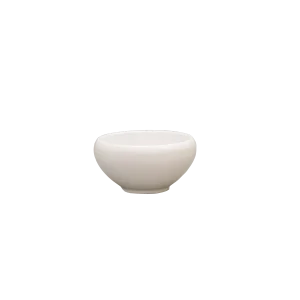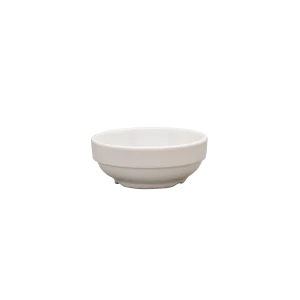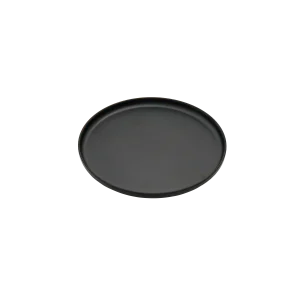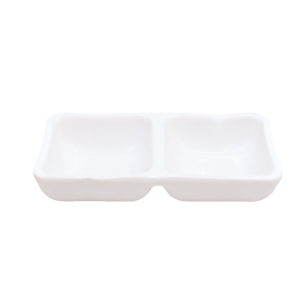
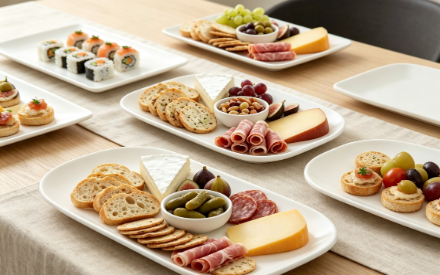
A reception is won or lost on the small plates. Before the main course lands, guests graze for an hour on sushi, tapas and canapés, and the wrong dish makes the whole table look off. Most venues reach for ceramic, which breaks after two drops, or paper, which goes limp under any sauce. Melamine appetizer plates solve both at once. They survive a 200-seat buffet, keep the presentation clean, and cost far less to replace than porcelain. The sections below size them out by course and explain how to order by the case so your next event does not turn into a reorder headache.
Size Melamine Appetizer Plates by Course
Not every bite needs the same dish. The size that shows off a single nigiri looks absurd under a mound of patatas bravas. We sort melamine appetizer plates by course based on what actually lands on the table during a real service.
Sushi & Nigiri Plates
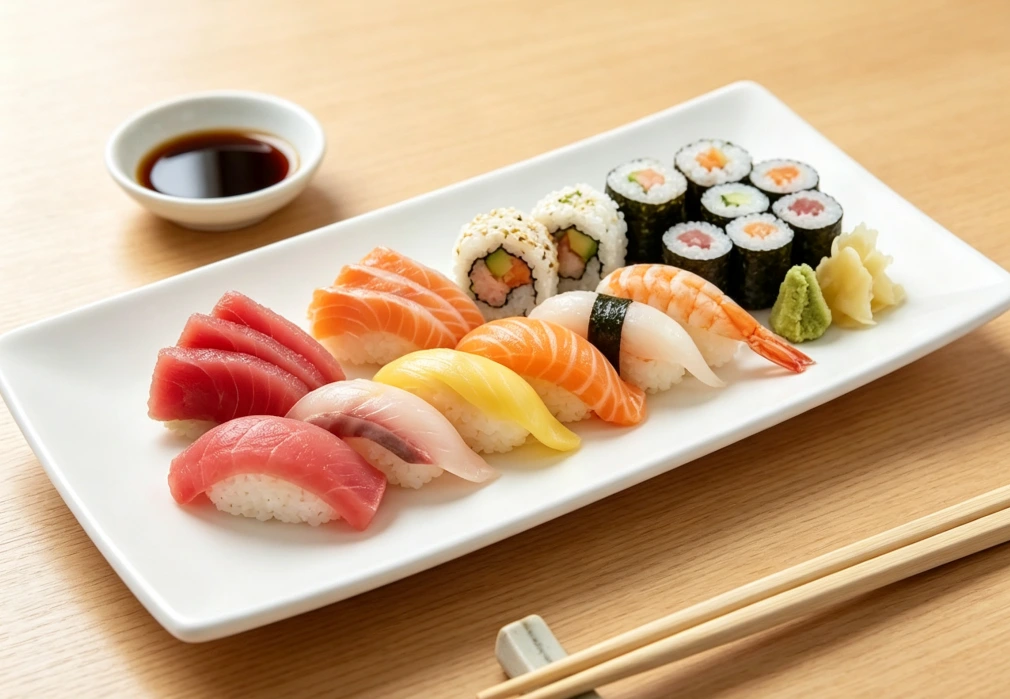
Sushi wants length more than width. A rectangular or oval dish around 12 to 15 cm, roughly 5 to 6 inches, lets you line up three to five pieces without them touching. That is why sushi plates and sushi plate sizes are the two terms buyers search first, and the answer stays consistent: go longer, not deeper. A shallow well of 150 to 250 ml keeps rolls from sliding and gives the rice room to breathe. Dark or black surfaces make white fish pop, which is why most sushi service runs black or slate rather than white. If the venue also plates maki by the dozen for a buffet, a 15 cm oval holds a full roll cut into eight without crowding the neighbors.
Turnover is the part nobody mentions. A sushi station runs hot and busy, and plates cycle through the washer every twenty minutes. Melamine takes that pace without the hairline cracks ceramic develops after a week of thermal shock, so the presentation stays sharp from the first seating to the last.
Tapas Plates & Small Bites
A tapas service is messier and more varied than sushi. A 12 to 14 cm plate works for a single portion of olives, croquetas or a small skewer. What matters most is the rim: you want a shallow lip, not a flat disc, so sauce stays put when a guest walks with it. Round or shallow oval both read as casual, which is the point. Two to four pieces per plate is the sweet spot before it starts to look crowded. For a passed tray at a standing event, the 12 cm round is the workhorse: it balances on a napkin, fits a toothpick bite, and the rim catches the olive oil.
Canapés & Hors d’Oeuvres
Standing receptions live on the mini. Canape plates and hors d’oeuvre plates are the same idea by two names: an 8 to 10 cm disc or square that holds two or three bite-size items. The real trick is weight. A heavy canapé plate in a guest’s hand for an hour gets annoying fast, and that is exactly where melamine’s lightness earns its keep. Square mini trays also pack tighter on a catering cart than rounds do, so a server carries more passes per trip. We have watched a banquet team drop their round minis for squares and gain a full extra lap per server per hour.
If you are working with mini plates at volume, ask for the nested-pack option so the first unboxing is not a floor of loose dishes sliding into each other.
Dessert & Tasting Portions
Save the smallest for last. Dessert plates at 8 to 12 cm suit a single tart or a pair of petits fours. Tasting plates push smaller still, 7 to 9 cm, for a chef’s bite between courses. White reads clean and lets color do the work; a gloss white melamine looks close enough to porcelain that most guests never notice. Cold desserts especially benefit, because melamine does not draw heat the way ceramic does, so a chilled mousse stays put longer on a warm patio.
The Practical Sizing Chart
The question every buyer asks is the same: what is the best size for appetizer plates by course. Use the chart below as a spec sheet when you talk to a supplier, and you will cut the back-and-forth to one email.
| Scenario | Diameter (cm / inch) | Capacity | Per-guest count | Shape |
|---|---|---|---|---|
| Canapés & hors d’oeuvres | 8–10 cm / 3–4″ | 50–100 ml | 2–3 pieces | Round / square mini |
| Sushi & nigiri | 12–15 cm / 4.5–6″ | 150–250 ml | 3–5 pieces | Rectangular / oval |
| Tapas & small bites | 12–14 cm / 4.7–5.5″ | 120–200 ml | 2–4 pieces | Round / shallow oval |
| Dessert & tasting | 8–12 cm / 3–5″ | 80–150 ml | 1–2 pieces | Round / coupe |
A quick read: canapé and tasting use the small end, sushi and tapas take the middle, and dessert sits wherever the menu lands. Most venues we supply end up with three sizes, 9 cm, 12 cm and 15 cm, which covers 90% of a standard banquet. Buy the 12 cm first if you can only stock one, because it doubles as a small shared plate for olives and dips.
You will see appetizer plates melamine written both ways in catalogs, with the words flipped. They mean the same product; the flip just matches how different buyers search. Pick the order that matches your own menu language and stay consistent across the event.
Why Melamine Beats Ceramic, Glass & Paper for High-Volume Catering
When you serve 150 people twice a night, the math on plates changes. Ceramic looks great until a busser drops a stack and you lose a dozen before the rush. Glass chips and cuts. Paper soaks through and buckles under anything with oil. For melamine appetizer plates, the case is built on three numbers rather than a slogan.
Weight: 60% lighter than ceramic
A standard 12 cm melamine plate weighs about 90 grams. A same-size ceramic plate runs 220 grams or more.
That gap matters when a server carries twelve plates at a time, or when you ship 2,000 pieces across a continent. Lighter freight and fewer strained wrists show up in the injury logs of kitchens that switch over.
Breakage: under 0.3% vs. near 4%
The breakage rate matters more than the sticker price. In a 2023 internal count at our own packing line:
- Returned and chipped ceramic dinnerware ran close to 4% of units handled.
- Melamine sat under 0.3%.
For a caterer reordering every quarter, that spread is the difference between a line item you forget and one that eats margin. One operator we supply cut plate replacements from a monthly purchase to twice a year after moving the whole appetizer line to melamine.
Food safety: A5 grade, FDA and LFGB
Commercial melamine made to A5 grade is BPA-free and passes FDA and LFGB contact tests, the same standards ceramic must meet. It runs through a commercial dishwasher at up to 70°C without fading or warping, and the color stays put through hundreds of cycles.
One honest limit: do not microwave it. Melamine holds up to about 120°C but breaks down under the focused energy of a microwave oven, so it stays on the pass and the plating station, not the reheat line. For import-specific certification checks, read our FDA import guide for melamine.
How the Four Materials Compare
The table below is the one we hand to new catering clients. It is not a marketing sheet; it is what the dishroom and the freight invoice actually look like.
| Factor | Melamine | Ceramic | Paper | Glass | Notes |
|---|---|---|---|---|---|
| Weight, 12 cm plate | ~90 g | ~220 g | ~5 g | ~180 g | Melamine is ~60% lighter than ceramic |
| Breakage on drop | Very low | High | None, but sogs | High | Ceramic and glass fail the busser test |
| Dishwasher safe | Yes, to 70°C | Yes | No | Yes | Paper is single-use by nature |
| Food-contact cert | FDA / LFGB | Yes | Varies | Yes | Ask for test reports either way |
| Bulk cost per piece | Low | Mid | Lowest | Mid-High | Melamine beats ceramic on reorder |
Party & Buffet Portion Planning
Plan the count before you plan the menu. For a standing reception, figure 2 to 3 appetizer plates per guest across the hour, plus a separate station of small serving plates for shared bowls. A 200-person event therefore needs 400 to 600 mini plates on rotation, and that is before desserts. Party plates catering orders usually bundle canapé and tapas sizes together so you are not mixing open cases mid-service.
Build the number from the guest list, not from habit:
- A 50-person board dinner needs maybe 120 pieces total, because the plates clear between courses.
- A 200-person wedding mixer needs 600, because nobody sits and the trays never stop.
The mismatch is where venues over- or under-order, and both cost money: excess ties up shelf space, shortage means a mid-event scramble to the sink.
Stacking saves the truck. Melamine nests tightly: 50 plates stack to about 30 cm, so a case of 100 takes less shelf than you think. For catering small plates bulk orders, ask for the nested-pack option so the first unboxing is not a floor of loose dishes sliding into each other. Add a 10% buffer for the ones that walk off with guests or hide under linens, a real number we hear from every event rental shop we work with.
Customization & Branding for Your Event
Off-the-shelf white works, but most venues we supply want more. Melamine appetizer plates wholesale programs let you pick shape, color and a molded or printed logo.
Logo, shape and color
A hotel group we work with runs a single slate-grey canapé plate across all properties so the brand reads the same from lobby to ballroom.
- Molded logos cost more up front because of the tooling, but they last as long as the plate.
- Printed logos cost less and still survive the dishwasher where stick-on labels do not.
- Either option can be repeated across matching oval and tray lines so the brand carries from the first bite to the last.
For the move to mains, dedicated heavy-duty melamine trays and bowls handle whole fish and steaks without crowding the table, and they take the same logo treatment.
Color choice by event type
Color is not just decoration:
- Dark plates hide sauce stains between washes. High-volume bars lean black.
- Bright white reads clean and premium for weddings and galas.
We have helped a caterer split their stock by event type, black for corporate casual, white for formal, and the change cut guest complaints about “dingy” dishes to nearly zero. The tooling for a custom color is a one-time cost, then every reorder is the same shade, which matters when you are matching linens year after year.
Before you spec custom shapes, read our custom melamine plate guide.
Buying in Bulk: MOQ, Lead Time & Samples
Volume is where melamine wins on price.
MOQ and lead time
Typical OEM minimums run 500 to 1,000 pieces per shape and color, with lead times of 15 to 30 days after artwork approval. Melamine appetizer plates wholesale quotes usually land 30% to 50% below a retail ceramic equivalent once you clear the tooling.
Why order a sample kit first
Before you commit, order a sample kit. A typical kit includes:
- three shapes,
- two colors,
- one piece with your logo mocked up.
It is the fastest way to catch a size you would regret at scale. We have seen buyers approve a 14 cm tapas plate from a photo, then realize on the sample that it swallowed their signature skewer. The kit also lets your chef actually plate a dish, which surfaces rim and depth issues a spec sheet never will.
Logistics and payment terms
A few practical checks before the shipment leaves:
- Mix shapes in one container to hit the minimum without overbuying a single size.
- Ask about nested packing for the small minis so cartons stay manageable.
- Confirm payment terms and a pre-shipment photo check; most factories send a loaded-carton shot before the boat leaves.
For the full sourcing playbook, see our A5 melamine sourcing guide. If you are launching your own line, our white-label sample-to-shelf timeline covers artwork, tooling and first shipment.
FAQs
Q: What size are melamine appetizer plates? A: Most run 8 to 15 cm, or 3 to 6 inches. Canapés and tasting use the small end at 8 to 10 cm. Sushi and tapas use 12 to 15 cm. The full breakdown by course is in the sizing chart above, and a 12 cm plate is the safe single-size start for most menus.
Q: Are melamine appetizer plates good for catering? A: Yes. They are light, shatter-resistant and dishwasher safe to 70°C, with FDA and LFGB food-contact certification. For high-volume service they cut breakage and replacement cost versus ceramic and glass, which is why banquet kitchens adopt them first on the appetizer line.
Q: Can melamine appetizer plates be customized? A: Yes. Shape, color and logo can all be customized through OEM or ODM. Minimums typically start at 500 to 1,000 pieces per design, and a sample kit lets you confirm the look and the plating fit before a full run.
Q: What is the difference between appetizer and dessert plates? A: Appetizer plates, 10 to 15 cm, carry savory pre-course bites like sushi or tapas. Dessert plates run smaller, 8 to 12 cm, for sweets and tasting portions. They overlap at the mini end, so one square mini can serve both, which keeps your open-case count down.
Q: Can you microwave melamine appetizer plates? A: No. Melamine holds up to about 120°C in normal service but breaks down in a microwave. Keep it on the pass and the plating station, not the reheat line.
Wrap-Up
Right-size your appetizer service and the whole event runs smoother: fewer breaks, faster clearing, better photos. Most of the venues we supply started with one size and now run three, and the jump in plating speed paid for the upgrade within a season. The plate is a small line item that quietly controls how the first hour of your event feels, so it is worth getting the size and the count right before the guest list locks.
Ready to spec your own? Request a free sample kit and wholesale quote.