Introduction
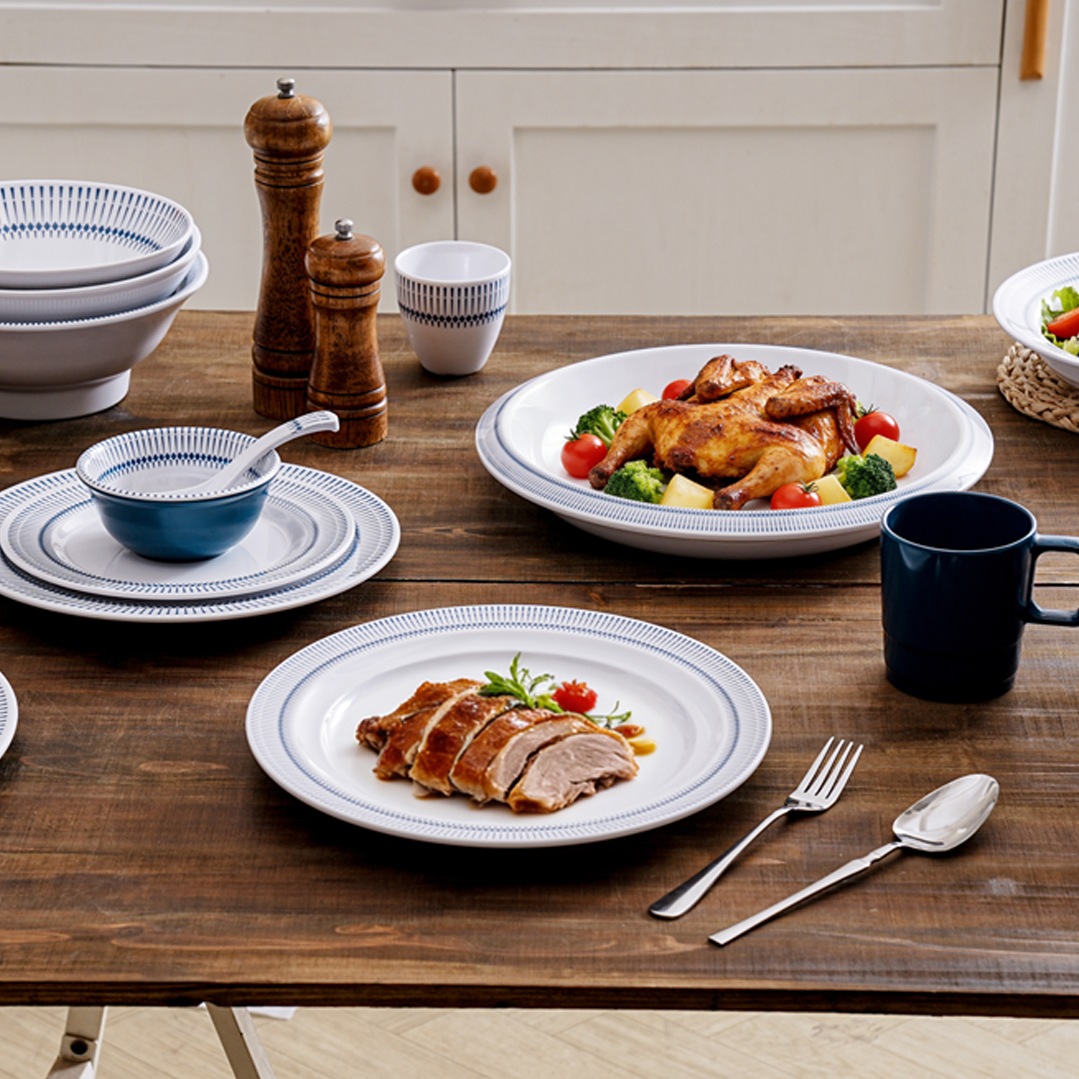
Buying tableware for a restaurant, hotel, or catering business isn’t just about picking something that looks nice on a table. These plates take a beating every single day. They hold meals, shape how guests feel about your place, and because they touch food directly, safety and build quality matter A lot.
Home kitchens can get away with delicate dishes. Commercial venues can’t. A typical restaurant plate gets washed, stacked, thrown onto trays, and reused dozens of times a day. If a manufacturer cuts corners on raw materials or skips basic checks, those plates won’t last a month.
That’s why factory inspection matters so much when making melamine restaurant plates. Catching issues on the factory floor keeps bad batches from ever reaching a commercial kitchen line. Dongyu Technology makes melamine tableware specifically for commercial use. By keeping a close eye on materials and testing, the company supplies durable, sensible pieces built for real-world food service operations.
The Growing Demand for Reliable Commercial Tableware
Modern dining venues need plates that look sharp but can take a punch. Front-of-house wants great presentation; back-of-house needs sheer durability.
Ceramic is the classic choice, sure, but it’s heavy and breaks the second a server drops a tray during a rush. Replacing chipped or shattered ceramic plates constantly eats into a restaurant’s profit margins.
Melamine tableware has picked up a lot of ground in commercial spaces for a few obvious reasons:
- It’s light, so servers can carry more without straining
- It handles accidental drops and daily impacts without shattering
- Stacking, storing, and hauling it is simple
- The look stays consistent across huge orders
- It holds up fine in both indoor dining rooms and outdoor patios
If you’re running a buffet, cafeteria, or catering service, those small practical details save real time and money during a rush.
That said, not all melamine is built the same. A plate’s safety and life span come down entirely to what resin went into it and how it was molded. That’s why auditing the factory floor is so critical before locking in a long-term supplier.
What Should Be Checked During a Melamine Tableware Factory Inspection?
A real inspection doesn’t just mean looking at a finished plate and calling it a day. It covers the whole line, from raw powder to the shipping box.
If you buy for commercial venues, knowing how these checks work helps you spot vendors who take quality control seriously.
1. Raw Material Inspection: The Foundation of Product Safety
Good melamine tableware starts with good resin.
Dongyu Technology uses A5 grade melamine resin for its product lines. Pure, high-grade resin gives the finished piece a solid feel and a smooth, clean glaze.
Before anything gets molded, the factory team needs to verify:
- Resin purity and batch consistency
- Supplier certification papers
- Batch tracking numbers
- Storage room humidity and conditions
Since these plates touch food, skipping this step is a non-starter. Low-grade resins lead to brittle plates, dull surfaces, and potential safety headaches down the line.
2. Production Process Control Ensures Consistent Quality
Once the resin passes inspection, focus shifts to the floor.
Making melamine plates takes a few distinct steps: heat molding, applying decals or surface glazes, edge polishing, inspecting, and packing.
Inspectors keep a close eye on two major areas during a run:
Product Shape and Structure
Commercial kitchens buy in bulk and stack high. If a plate is warped by even a couple of millimeters, a stack of twenty becomes wobbly and dangerous.
Quality control checks every batch for:
- Flatness and precise dimensions
- Clean, smooth edges without rough flashing
- Overall structural strength
- Consistent thickness across the piece
Surface Appearance
A rough or pitted plate is a nightmare to wash and looks cheap to a paying guest.
Inspectors scan for:
- Scratches or pitting
- Glaze pinholes
- Uneven color patches
- Faded or crooked patterns
A smooth glaze doesn’t just look nice; it keeps food oils from soaking into the plate over time.
3. Durability Testing for Daily Restaurant Environments
Commercial dishes live a rough life. On any given night, they go through:
- Dozens of high-temp dishwasher cycles
- Heavy-handed stacking by busy dishwashers
- Fast-paced trips between the kitchen pass and tables
- The occasional drop onto a hard tile floor
That’s why impact and stress testing are built into quality checks.
Melamine is popular precisely because it takes those hits without cracking. It’s built for high-turnover dining rooms where delicate dishes simply don’t survive.
Still, staff need to know the limits. Melamine isn’t meant for direct heat, microwave ovens, or stovetops. Using it right keeps it looking new for years.
Food Contact Safety: A Key Consideration for Restaurant Buyers
When buying for a commercial brand, food safety comes first. Plates and bowls sit under hot food all day, so buyers need total confidence in the material.
A decent inspection verifies that the resin cures completely under heat and pressure. Uncured resin can leach or wear down prematurely.
If you’re sourcing melamine restaurant plates, always ask for test reports. Reliable factories will hand over their testing paperwork without making a fuss.
Dongyu Technology builds its lines using food-grade A5 melamine resin, backed by strict floor checks. The goal is straightforward: deliver tableware that holds up under daily commercial use while meeting safety expectations.
How Dongyu Controls Quality During Factory Inspection
Checking quality happens in stages. Spreading checks across the entire build keeps small flaws from turning into ruined shipments.
1. Inspection Before Mass Production
Before starting a full run, engineers double-check the setup.
This prep stage covers:
- CAD files and design specs
- Exact dimensions and weight targets
- Color matching against master samples
- Pattern placement
- Box labels and packing setups
When a hotel group or restaurant chain orders 5,000 plates, every single piece needs to match. Catching a color shift before pressing thousands of units saves everyone a massive headache.
2. In-Production Quality Monitoring
Waiting until the end of a run to check quality is a recipe for wasted material.
While machines are running, floor inspectors check:
- Press temperatures and mold timing
- Flash removal and edge sanding
- Surface finish clarity
- Yield rates and scrap counts
Catching a temperature drift early means fixing it before an entire batch comes out under-cured.
3. Final Product Inspection Before Shipment
Before boxes get sealed and loaded onto pallets, one last team reviews the finished goods.
Appearance Inspection
They check for:
- Clean, smooth glazes
- Sharp, well-placed decals
- Safe, rounded edges
- Zero surface flaws or discoloration
Quantity Inspection
Short counts ruin delivery timelines. The final check confirms:
- Unit counts per box match the purchase order
- Outer carton labels are accurate
- Shipping marks line up with client specs
Packaging Inspection
Bulk shipments travel thousands of miles. Thick, fitted cartons and inner padding keep plates from scuffing against each other in transit.
Why Restaurants Choose Melamine Tableware for Daily Operations
Every dining room has different needs. A fast-casual spot cares about fast cleanup; a hotel catering hall cares about storage and presentation.
Melamine hits a sweet spot for a lot of these operations.
Restaurants and Cafes
Floor staff want gear that makes their jobs easier.
They need plates that are:
- Light enough to carry five at a time
- Easy to stack neatly on line
- Tough enough for rapid turnarounds
Lighter plates mean less fatigue for servers and faster table turns during the lunch rush.
Hotels and Buffet Services
Hotel buffets serve hundreds of guests in short windows.
Their equipment needs to handle:
- Heavy traffic and constant refilling
- Quick restocking from the back kitchen
- Compact storage on cart racks
Using durable plates cuts down annual replacement costs dramatically. Matching sets across plates, bowls, and platters also keeps the buffet line looking organized.
Outdoor Dining and Catering Events
Catering teams work in chaotic environments where stuff gets dropped constantly.
For outdoor setups, melamine gives you:
- Easy packing and transport
- Low weight on loading ramps
- High impact resistance on hard venue floors
It lets caterers run a sharp-looking service without bringing fragile china out onto a patio or lawn. Just remember: keep it off direct heat sources and out of the microwave.
How Buyers Can Evaluate a Reliable Melamine Tableware Supplier
Price is easy to compare, but long-term supplier reliability takes a bit more digging.
Here are three things worth asking before signing a contract:
Does the Supplier Control Raw Materials?
A good factory knows exactly where its resin powder comes from and tests every batch before molding. If a supplier gets vague about their material sources, that’s a red flag.
Can the Factory Provide Quality Information?
Solid manufacturers don’t hide their process. They can readily share:
- Step-by-step QC workflows
- Material safety sheets
- Lab testing documents
- Exact product dimensions
Does the Supplier Understand Commercial Usage?
Designing for a home kitchen is totally different from designing for a high-volume diner. Look for suppliers who understand high-temp dishwashing, tight stacking tolerances, and commercial shipping needs.
Maintaining Melamine Tableware After Purchase
Even tough tableware lasts longer when staff treat it right.
A few basic kitchen rules help extend their life:
Use Appropriate Cleaning Methods
Melamine cleans easily, but harsh tools will ruin the glaze over time.
- Use non-abrasive pads or soft sponges
- Avoid steel wool or harsh bleach compounds
- Follow commercial dishwasher chemical guidelines
Avoid Improper Heat Exposure
Melamine is built for serving, not cooking.
- Keep plates off stovetops and grill tops
- Never put them in ovens or microwaves
- Don’t leave them under high-heat heat lamps for hours
Store Products Properly
Stack plates neatly by size. Avoid wedging different shapes together to prevent surface scratches.
Conclusion
Choosing tableware isn’t just a buying task—it directly impacts daily floor operations, guest satisfaction, and replacement budgets. A thorough factory inspection process guarantees that raw resin turns into a reliable product instead of a broken inventory headache.
Dongyu Technology focuses its manufacturing on food-grade materials, rigid process controls, and the real demands of busy commercial kitchens. When shopping for melamine restaurant plates, look beyond a pretty photo. Check the factory’s process, resin grades, and inspection standards. Investing in well-made, properly inspected tableware gives your venue a safer, smoother operation for the long haul.