
Introduction
In a busy commercial kitchen—whether it’s a high-volume salad bar, a fast-casual pasta joint, or a catering crew running a massive buffet—speed and safety dictate your profit margins. Preparing large-scale meals forces your staff to handle relentless, high-intensity tasks. They are tossing heavy portions of olive-oil-coated pasta or vigorously mixing dense grains and greens with heavy dressings. Traditionally, kitchens relied on oversized ceramic, stoneware, or glass prep bowls. But let’s be honest: those old-school materials come with massive operational headaches. They are incredibly heavy, they chip or shatter the moment they are bumped, and their sheer weight causes chronic wrist strain and physical fatigue for staff working grueling eight-to-twelve-hour shifts.
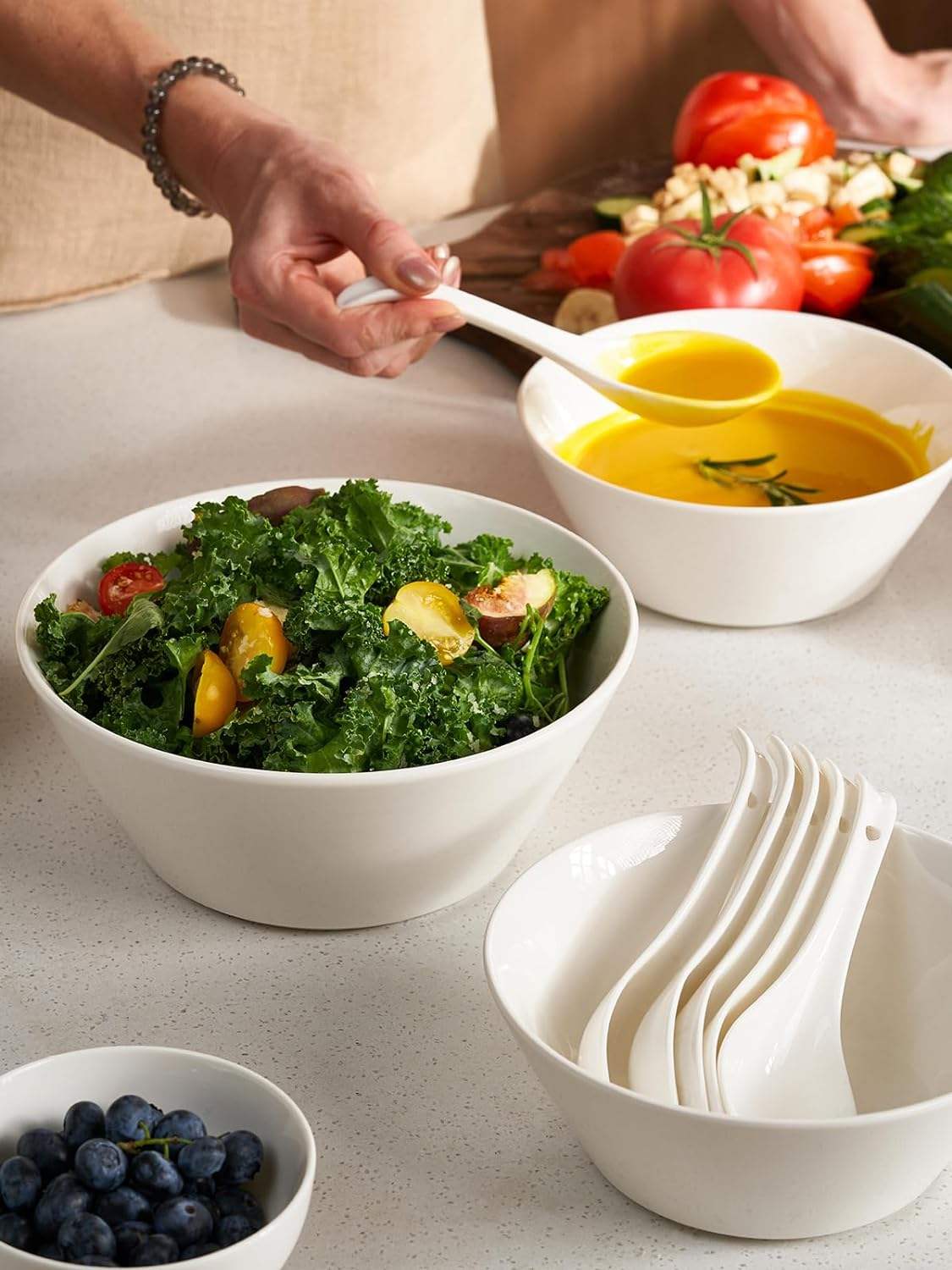
To cut down on these workplace injuries and lower recurring replacement costs, a growing number of global food service operators and home cooks are switching to durable, lightweight alternatives. This is exactly why heavy-duty melamine bowls have become the go-to industry standard for high-volume mixing and food prep. They are engineered to look like porcelain or ceramic without the fragile build, giving you a clean presentation alongside heavy-duty utility in commercial spaces.
Why Large Melamine Bowls Work Best for Prep & Serving
For restaurant owners and chefs, picking prep and serving containers is about more than looks—it directly impacts daily efficiency, kitchen safety, and long-term costs. When you look at how materials perform during high-intensity food prep, large melamine bowls routinely beat traditional materials like ceramic, glass, or cheap plastics.
Lighter Weight Means Less Wrist Fatigue
Ergonomics in a fast-paced food service environment matter. Production data from Dongyu Technology shows that A5-grade melamine is roughly 30% to 50% lighter than ceramic, porcelain, or tempered glass bowls of the same capacity.
Think about a busy prep station tasked with mixing oversized portions of Caesar salads or tossing heavy batches of freshly boiled pasta. The lower weight of these large melamine bowls lets chefs and servers grip the rim easily with one hand while rapidly tossing ingredients with the other. Over a long shift, this weight difference cuts down on physical strain, lowering the risk of repetitive strain injuries and severe wrist fatigue.
High Stain Resistance Against Heavy Dressings
Salad and pasta prep often involves highly pigmented, acidic, or oily ingredients. Thick tomato marinara sauces, vibrant turmeric dressings, and dark balsamic vinaigrettes easily penetrate and permanently stain porous materials like wood or low-grade commodity plastics, leaving behind ugly yellowing and old food odors.
Dongyu Technology fixes this through its manufacturing process. By molding 100% pure A5 melamine resin under high pressure and temperature, the material cures into a high-density, non-porous structure. This forms a natural, impermeable barrier. Because liquids and oils cannot seep into the surface, these melamine bowls offer excellent stain resistance. Even after years of frequent commercial use with acidic dressings, the bowls will not yellow, trap bacteria, or hold onto residual food odors.
Shatterproof Durability and Scratch Resistance
Aggressively mixing salads or tossing pasta requires heavy-duty tools, like large stainless steel tongs or metal serving spoons. When metal utensils repeatedly scrape and strike the inside of ceramic or glass bowls, they create micro-fissures that quickly lead to chipping or shattering. A broken bowl creates a severe physical contamination hazard that can halt a kitchen’s service line immediately.
Dongyu Technology’s A5 melamine bowls have excellent structural resilience. They offer the weight and premium look of traditional ceramic but remain virtually shatterproof. These commercial-grade melamine bowls are built to withstand the aggressive, repeated impact of metal mixing tools and daily industrial dishwashing. They have a high scratch-resistance threshold, so vigorous daily tossing will not gouge the material or create dangerous chips. This durability keeps the food safe and ensures the bowl stays clean enough for front-of-house buffet displays and tabletop serving.
Decoding Pure A5 Melamine Quality
While the operational savings of buying melamine bowls in bulk are clear, food safety remains the main priority for hospitality buyers. To buy with confidence, you need to understand the difference between toxic imitation urea materials and the food-grade purity of authentic, 100% pure A5 melamine bowls.
100% Pure A5 Resin vs Cheap Urea-Formaldehyde Fillers
The main safety difference comes down to the grade of raw material used during manufacturing. Low-cost, non-compliant manufacturers often mix melamine with cheap urea-formaldehyde resins, which they label as A1 or A3 grade “melamine.” Urea-formaldehyde has poor heat resistance and low chemical stability. When it touches warm pasta or acidic salad dressings, it breaks down quickly, causing formaldehyde and urea to leach directly into the food.
Dongyu Technology bans the use of recycled materials or urea-formaldehyde fillers. The company makes its entire catalog using 100% pure A5-grade melamine resin. Pure A5 resin cures into a completely stable, inert polymer structure. It remains structurally and chemically unchanged across a wide temperature range, ensuring no harmful substances degrade into your food.
Verified Safety Certifications
To back up these safety claims, Dongyu Technology maintains a compliance portfolio that meets international food-contact material standards.
Every production batch goes through independent testing by SGS (Société Générale de Surveillance). Chemical migration tests show that the overall migration of volatile substances and heavy metals sits at near-zero levels, well below the strict limits set by global safety authorities.
Dongyu Technology’s products comply with United States Food and Drug Administration (FDA) regulations under Title 21 CFR Section 177.1460, which covers melamine-formaldehyde resins intended for safe, repeated food contact. This means buyers in North America can safely use these bowls at any high-volume food prep station.
In Europe, food-contact materials must pass strict sensory, taste, and localized chemical extraction tests. Dongyu’s tableware complies with the European LFGB and holds the EU CE Mark. These certificates ensure that when serving hot pasta or tossing a salad with acidic vinegar, the bowl will not cause odor migration, chemical leaching, or color bleeding.
100% BPA-Free Formulation
Bisphenol A (BPA) is a synthetic compound found in polycarbonate plastics that is linked to endocrine-disrupting health issues. Dongyu Technology guarantees that its A5 material formulation is 100% BPA-Free. By combining pure raw materials with a certified manufacturing process, Dongyu Technology makes high-capacity melamine bowls a reliable, non-toxic, and sanitary asset for the food service industry.
Commercial Benefits for B2B Buyers & Restaurateurs
For B2B procurement managers, supply chain directors, and restaurant owners, buying tableware is an investment that directly affects daily operational costs. In high-volume commercial foodservice environments, table settings and prep ware face constant physical stress. Dongyu Technology’s high-capacity melamine bowls optimize hospitality workflows, offering economic advantages over fragile earthenware or cheap plastics.
Drastically Reducing Overhead Costs
In the restaurant sector, the annual replacement rate for traditional ceramic, porcelain, or stoneware bowls is incredibly high due to constant chipping, dropping, and thermal shock. This high breakage rate creates a recurring cost that eats into thin profit margins.
Dongyu Technology’s heavy-duty A5 melamine bowls are virtually shatterproof. They survive being dropped onto hard commercial kitchen floors, bumped against stainless steel prep counters, or stacked aggressively in dish racks. By switching from fragile ceramics to durable melamine, high-volume dining establishments, hotels, and catering companies can cut their annual tableware replacement budget, turning a recurring expense into long-term savings.
100% Commercial Dishwasher Safe
Efficiency depends on how fast tableware can be sanitized and returned to the service line during peak dining hours. Tableware must handle the harsh environment of commercial sanitizing systems without wearing down.
Dongyu Technology’s A5 melamine bowls are built for the demands of high-temperature and high-pressure commercial dishwashing systems. They handle the chemical exposure of industrial-strength detergents and sanitizers without fading, warping, or cracking. Because the material retains heat efficiently but cools quickly upon exit, these bowls can be washed, dried, and restacked in minutes, keeping kitchen workflows moving fast.
Full OEM/ODM Customization
Modern restaurant chains and hospitality groups use every touchpoint—including serving ware—to reinforce their brand identity. Off-the-shelf, generic bowls rarely fit custom interior designs or specific portion-control standards.
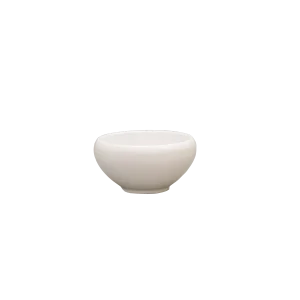
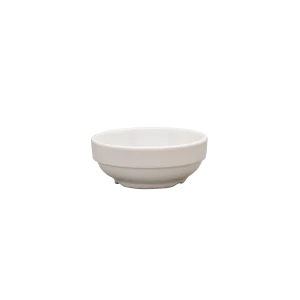
With nearly twenty years of manufacturing and global export experience, Dongyu Technology provides OEM (Original Equipment Manufacturer) and ODM (Original Design Manufacturer) services for international brands. They use a high-temperature foil overlay process to integrate custom brand logos directly into the bowl. This ensures the branding will not peel, chip, or fade after years of commercial dishwashing. Procurement managers can choose from an extensive inventory of existing molds or collaborate to create custom dimensions, unique colorways, and proprietary shapes—such as Dongyu’s popular Textured Salad Bowl and Deep Bowl series—tailoring the product to exact brand and portion requirements.
Finding the Right Size and Style
Selecting the right commercial-grade melamine bowls requires balancing portion control, presentation styles, and back-of-house workflow demands. To assist procurement officers, corporate chefs, and hospitality distributors in making purchasing decisions, here is a quick-reference specification guide based on high-demand international catalogs.
| Recommended Size & Shape | Best Applied For | Sourcing Focus & Commercial Value |
|---|---|---|
| 9.6″ to 10.6″ Textured Salad Bowls / Deep Bowls | Ideal for serving 2-3 portions of shared tossed salads, premium family-style pasta entrees, or tabletop fruit displays in casual dining settings. | Features sophisticated exterior texturing that mimics handcrafted ceramics. Perfect for Western bistros, contemporary cafes, and modern resorts looking to elevate presentation without risking breakage. |
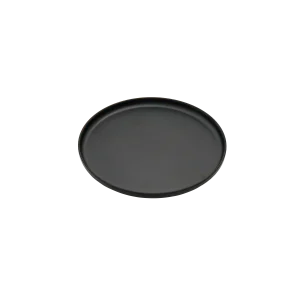
| 11″ and Above Irregular Shapes or Large-Capacity Dark Bowls | Built for back-of-house central prep kitchens, high-volume salad bar assembly lines, self-serve buffet counters, and raw ingredient holding stations. | Focuses on structural reinforcement and deep fluid capacities. Optimized for high-foot-traffic commercial cafeterias, cruise lines, and large-scale hotel banquet operations that prioritize rapid turnarounds. |
Conclusion
In the competitive foodservice and hospitality industry, every operational detail affects your profitability. An expertly manufactured melamine bowl is far more than a simple food container. It is a commercial tool designed to maximize kitchen prep efficiency, guarantee strict international food safety compliance, and eliminate the high recurring costs associated with broken ceramic or glassware. By transitioning to 100% pure A5 melamine resin, commercial operators protect both their staff from physical strain and their businesses from unnecessary overhead.