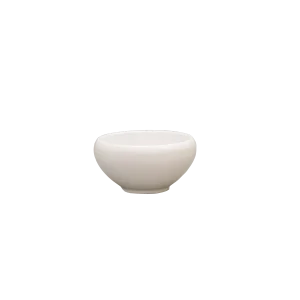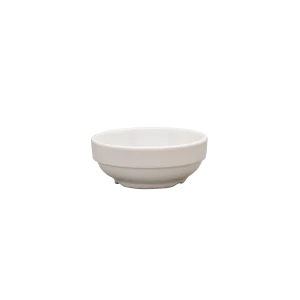
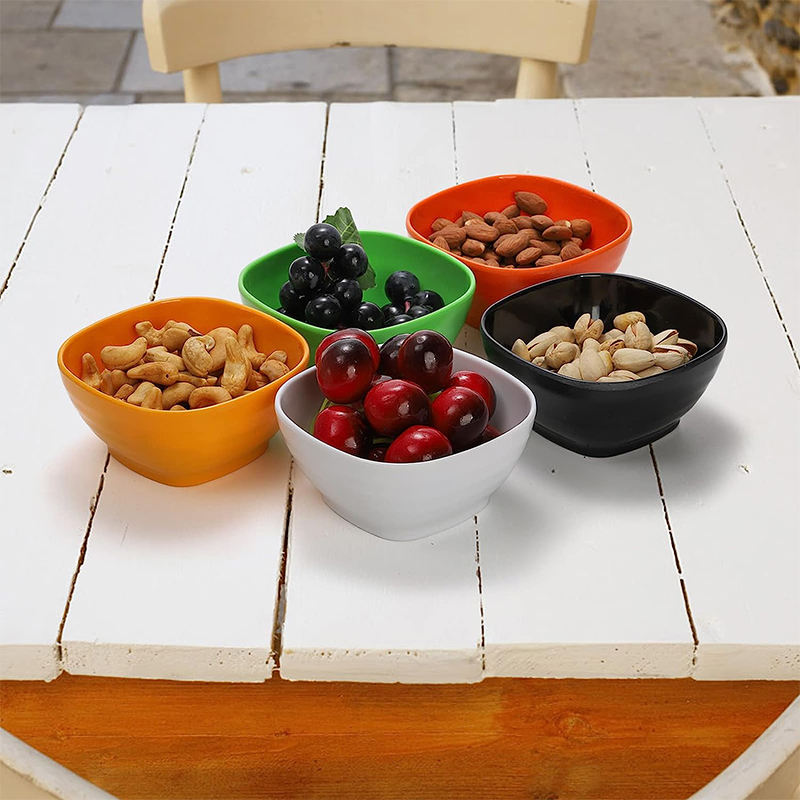
Balancing a busy schedule and eating healthy is tough. Meal prep helps, but standard containers come with annoying trade-offs. Glass is heavy and shatters if it slips. Cheap plastic warps in the dishwasher and stains the first time you put tomato sauce in it.
Melamine bowls with lids offer a practical middle ground. They are lightweight, durable, and built for kitchen storage. Dongyu Technology manufactures these bowls using an ISO 9001 certified system. The products meet FDA, LFGB, and CE food safety regulations, ensuring they are non-toxic and long-lasting for home and commercial kitchens.
What Are Melamine Bowls with Lids
Melamine is an organic-based, nitrogen-rich compound utilized to create melamine resin—a remarkably durable thermosetting plastic. During the manufacturing process, this resin is combined with cellulose reinforcers and subjected to intense heat and high pressure. The resulting material undergoes a chemical polymerization reaction, creating a permanently cross-linked molecular structure that cannot be remelted. This makes the finished dinnerware exceptionally hard, scratch-resistant, and virtually unbreakable under normal daily use.
When designed as melamine bowls with lids, these storage solutions combine the innate material strengths of premium melamine with structural innovations tailored for food preservation:
- Airtight and Leak-Proof Seals: Modern melamine prep bowls are paired with specialized, flexible lids (often made from food-grade silicone or high-density, BPA-free polyethylene) that establish a secure, airtight seal. This lock-in design prevents oxidation, keeps stored food fresh for extended periods, and eliminates the risk of messy spills during transport.
- Nesting and Stackable Configurations: To maximize efficiency in compact modern kitchens, these bowls are typically engineered in graduated sizes. This allows empty bowls to nest perfectly inside one another, minimizing the cabinet storage footprint. When the lids are applied, their flat, recessed surfaces enable stable, vertical stacking within refrigerators and freezers.
Dongyu Technology uses more than 50 automated compression molding units to keep wall thickness uniform and rims aligned. This precision ensures the lids seal tightly over years of use.
Why They Are Ideal for Meal Prep and Storage
Choosing the right material for meal prep involves balancing durability, weight, ergonomics, and cost-effectiveness. Melamine bowls with lids consistently outperform traditional materials across several critical performance metrics.
Unbreakable Durability and Impact Resistance
One of the primary frustrations with ceramic or tempered glass meal prep containers is their vulnerability to chipping, cracking, or shattering when dropped or bumped against hard countertops. Melamine possesses a high level of impact resistance, making it an ideal choice for high-activity kitchens, households with children, or professionals transporting meals to the workplace.
According to commercial foodservice statistics compiled by industry authorities such as the WebstaurantStore, the annual replacement rate for melamine dinnerware in busy commercial environments sits at approximately 10% to 20%. In stark contrast, traditional china, porcelain, and glass alternatives experience a yearly breakage and replacement rate ranging from 50% to 150%.
This extreme durability translates directly to domestic meal prep. If a melamine bowl slips from a refrigerator shelf or is dropped during a chaotic morning commute, the risk of breakage is virtually zero, keeping your food safe and eliminating the hazard of sharp debris.
Lightweight Ergonomics & Space-Saving Stackability
Weight is a major factor for individuals who pack multiple meals for work, school, or travel. Glass containers are heavy, adding substantial bulk to bags and backpacks before food is even added. Melamine provides a sturdy, substantial feel without the physical weight. This lightweight nature makes carrying a full day’s worth of breakfast, lunch, and snacks effortless.
Furthermore, space optimization is critical when bulk-preparing meals for an entire week. The precise nesting design of melamine bowl sets allows an entire five- or six-piece collection to occupy the cabinet space of a single large bowl. When filled and sealed in the refrigerator, their structural stability prevents shifting or tipping, creating an organized, highly visible, and efficient cold-storage environment.
Airtight Freshness and Spill Prevention
Exposing prepared food to ambient air accelerates spoilage, leads to moisture loss, and allows cross-contamination of aromas within the refrigerator. The airtight lids designed for melamine bowls create an effective barrier against external oxygen and humidity.
Whether you are storing delicate leafy greens, pre-marinated chicken breasts, or liquid-based meals like soups and stews, the secure fit prevents structural leaks. This advanced freshness retention significantly reduces domestic food waste and ensures that meals prepared on Sunday retain their original flavor profile and crisp texture by Thursday or Friday.
Easy Cleaning, Stain, and Odor Resistance
Cheap, single-use or low-grade plastics are notoriously porous. Over time, storing acidic or richly pigmented foods—such as tomato-based pasta sauces, turmeric-infused curries, or oily vinaigrettes—results in permanent orange-red staining and stubborn chemical odors that persist despite multiple washings.
Premium melamine features a non-porous, high-gloss surface. It strongly resists chemical bonding with food colorants and oils. Additionally, it is completely dishwasher-safe (recommended for the top rack in residential machines), allowing for rapid, hygienic sanitization without the risk of surface degradation or clouding.
Cost-Effectiveness and Practical Sustainability
While single-use plastic containers seem affordable initially, their rapid degradation, tendency to warp in the dishwasher, and vulnerability to cracking mean they must be constantly replaced. This continuous cycle generates ongoing expenses and contributes significantly to environmental plastic pollution.
Investing in a premium set of melamine bowls with lids offers exceptional long-term value. Because melamine does not warp, scratch easily, or degrade under frequent washing cycles, a single investment can last for years. By choosing a reusable, commercial-grade solution, consumers actively reduce their reliance on single-use alternative plastics, making an environmentally conscious choice through durable product longevity.
Safety Considerations and Regulatory Standards
When evaluating any food-contact material, consumer health and safety are paramount. Melamine has been the subject of extensive scientific review by global regulatory bodies to establish clear, safe-use parameters.
The FDA and International Regulatory Stance
The United States Food and Drug Administration (FDA), alongside the European Food Safety Authority (EFSA), has conducted rigorous safety assessments concerning the use of melamine in tableware. The core scientific question involves whether melamine molecules can migrate from the dish into the food item.
The official FDA consensus states that melamine dinnerware is entirely safe for serving and eating food, provided it is utilized under the conditions for which it was engineered. The FDA’s diagnostic testing confirmed that the migration of melamine molecules into food is non-detectable or well below the stringent risk threshold under standard cold, room-temperature, or warm serving conditions.
No Microwave or Oven Use
To ensure absolute safety, users must adhere to one fundamental restriction: melamine bowls must never be used in microwave ovens, conventional ovens, or exposed to direct heat sources.
Because melamine is a thermosetting polymer, exposure to extreme radiation or intense heat causes the resin composite to overheat and break down. This thermal stress can result in the material cracking, blistering, or losing its protective glaze, which increases the risk of chemical migration into your meals.
Food Safety Compliance at Dongyu Technology
For B2B buyers and consumers alike, choosing verified manufacturers is the best way to guarantee product safety. Dongyu Technology prioritizes raw material purity and strict quality control:
- 100% Pure Melamine: Dongyu utilizes premium, 100% pure melamine molding powder, avoiding the cheap urea-formaldehyde blends sometimes found in low-grade alternative products.
- Comprehensive Certifications: All manufacturing batches undergo testing to maintain compliance with FDA, LFGB (Germany), CE, and SGS standards. These certifications verify that the products are completely BPA-free, heavy metal-free, and safe for continuous contact with food.
Real-World Applications and Practical Tips
Integrating melamine bowls with lids into your kitchen routine can significantly streamline food storage and preparation.
Optimal Meal Prep Scenarios
- The Weekly Salad Station: Chop crisp greens, cucumbers, carrots, and radishes on Sunday. Store them in a large, sealed melamine bowl. The material’s thermal insulation helps maintain cool temperatures, ensuring your salads stay crisp all week long.
- Protein Marination: Melamine’s non-porous surface makes it excellent for marinating meats, poultry, or seafood in the refrigerator. Acidic marinades containing citrus juice or vinegar will not corrode or pit the material, and the airtight lid keeps raw juices completely contained.
- Grain and Macro Bowls: Pre-cook large batches of quinoa, brown rice, or farro. Divide them into portion-controlled melamine bowls, seal them with their respective lids, and line them up in the fridge for quick, grab-and-go weekday lunches.
Practical Maintenance Tips for Maximum Longevity
To keep your melamine storage sets in pristine condition for years to come, observe the following care instructions:
- Avoid Abrasive Cleaning Tools: Do not use steel wool, wire scouring pads, or harsh abrasive cleansers. These can scratch the protective outer glaze, exposing the matte composite underneath and making it susceptible to staining. Opt for soft sponges, microfiber cloths, or nylon mesh pads.
- Soaking for Stuck-On Food: If food remnants dry out and stick to the bowl, fill it with warm, soapy water and allow it to soak for 15 to 20 minutes before gently wiping it clean.
- Temperature Management: Always allow hot, freshly cooked foods (such as boiling soups or hot grains straight from the stove) to cool down slightly before transferring them into your melamine bowls and sealing the lids. Melamine handles warm foods excellently, but transferring liquids directly at boiling temperatures can stress the material over time.
Material Comparison
To clearly understand where melamine excels, it is helpful to look at a direct technical comparison against common alternative materials used in meal prep and food storage:
| Feature/Metric | Premium Melamine (with Lids) | Tempered Glass | Standard Disposable Plastic |
|---|---|---|---|
| Impact Resistance | Excellent; Virtually shatterproof and chip-resistant. | Poor; Easily shatters or chips upon impact. | Fair; Flexible but prone to cracking under stress. |
| Weight Profile | Lightweight; Easy to transport in bulk bags. | Extremely Heavy; Increases strain during travel. | Ultra-Lightweight; Offers low structural density. |
| Stain & Odor Resistance | High; Resists oils, pigments, and odors. | Excellent; Completely non-porous surface. | Very Poor; Easily absorbs oils, pigments, and odors. |
| Microwave Safety | No; Not suitable for microwave heating. | Yes; Safe for standard microwave cooking. | Conditional; Can melt or leach chemicals if overheated. |
| Lifespan/Longevity | Multi-Year; Highly resistant to wear. | Variable; Long-lasting until dropped. | Short-Term; Warps and discolors quickly. |
- Melamine vs Glass: While glass is a popular choice for home use due to its microwave compatibility, its weight and fragility make it less practical for mobile lifestyles. Melamine provides a similar premium look and feel to ceramic or porcelain, but is light and durable enough for travel, camping, or a busy workplace commute.
- Melamine vs Plastic: Standard polypropylene or polyethylene plastic containers are lightweight but degrade quickly. They scratch easily from utensils, cloud over time, and retain unhygienic food odors. Melamine delivers a significantly higher level of durability, better hygiene, and an attractive presentation that transitions beautifully from the refrigerator directly to the dining table.
Conclusion
Melamine bowls with lids offer an exceptional balance of durability, lightweight convenience, and reliable food preservation for meal prep and kitchen storage. Their impact-resistant construction eliminates the worry of broken glass, while their non-porous surfaces offer a cleaner, long-lasting alternative to standard plastics. By understanding their temperature guidelines—such as keeping them out of the microwave—they serve as a safe and efficient cornerstone for your daily food management.
When sourcing high-volume kitchenware or setting up an OEM/ODM product line, choosing an experienced manufacturer is key to ensuring safety and quality. Dongyu Technology combines automated manufacturing with certified compliance under FDA, LFGB, and ISO 9001 standards to deliver top-tier, dependable products to international markets.