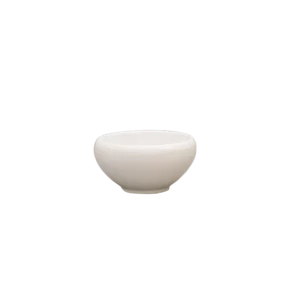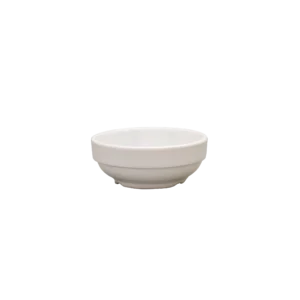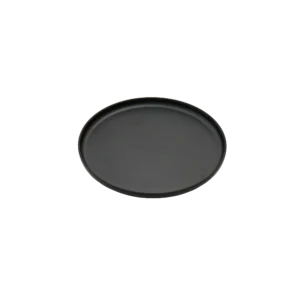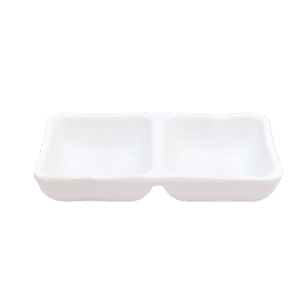

Introduction
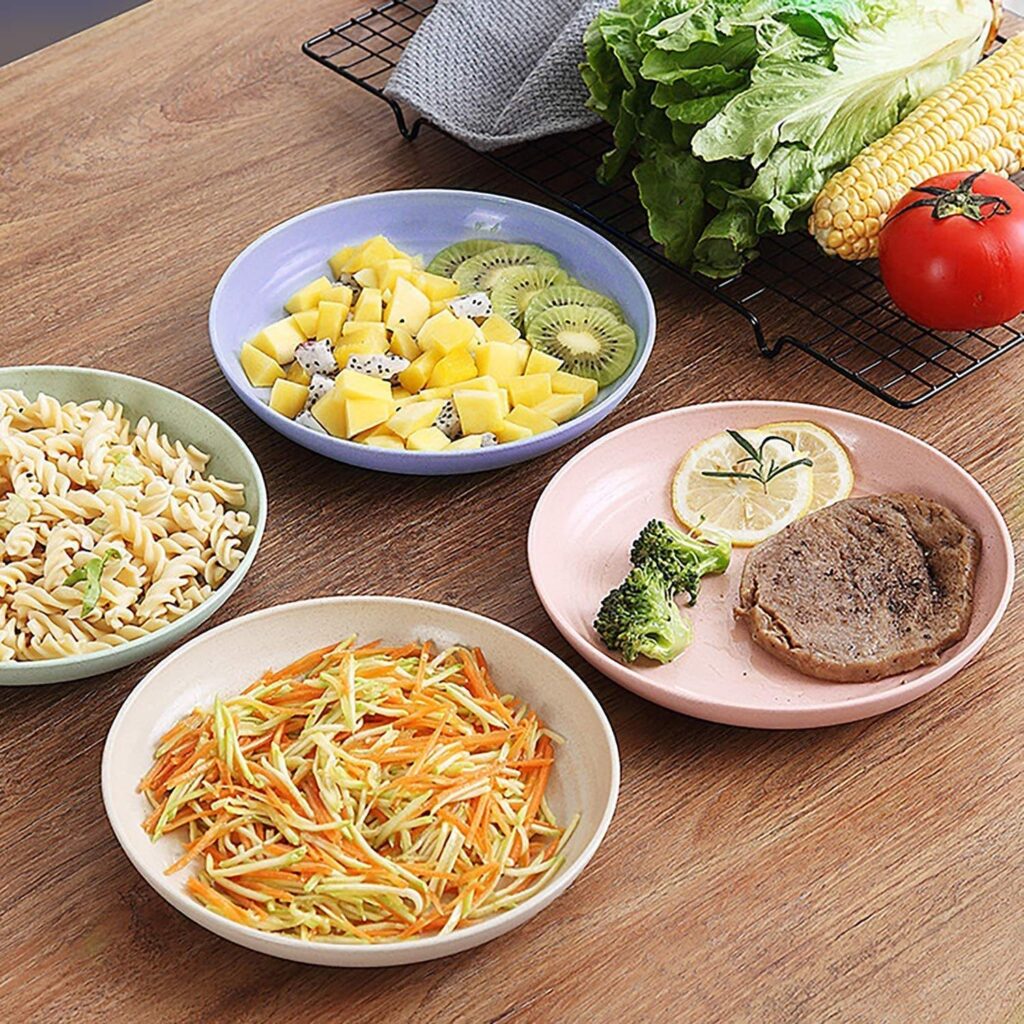
Melamine dinnerware has become the gold standard for high-traffic environments, from bustling family kitchens to fast-paced commercial bistros. Its popularity stems from its incredible shatter-resistance and lightweight design. However, a common concern persists among buyers: Can these plates withstand the high heat of a dishwasher? Yes, high-quality melamine plates, such as those manufactured by Dongyu, are top-rack dishwasher safe. However, “safe” doesn’t mean “indestructible.” Its lifespan depends entirely on how much heat you blast it with. Dongyu builds these plates to meet strict food safety standards, but they aren’t ceramic—they have their own set of rules.
Is Melamine Actually Safe
People often worry about chemicals leaching into their food. Here is the reality based on how the material behaves:
- Acidity and Heat: You really only see chemical migration if you are serving highly acidic food that is also screaming hot.
- The Microwave Rule: Never put melamine in the microwave. The radiation breaks down the material, ruins the protective glaze, and can release resins into your food.
- Stability: Dongyu melamine stays stable under normal serving conditions, even in busy restaurants where plates are used constantly.
Making the Dishwasher Work for You
Technical specs are one thing, but your daily routine is where the damage usually happens. It is not just about the water temperature; it is about how your machine handles the cycle. Most home dishwashers have a “Sanitize” or “Heavy Duty” setting that hits 82°C (180°F). That is way too hot for melamine.
- Pick the Right Cycle: Stick to “Normal” or “Eco” settings. These usually stay between 50°C and 65°C. This is the “sweet spot” where you get a good clean without degrading the polymer.
- Skip the Heat Dry: The intense, dry heat at the end of a cycle causes more cracks than the water does. Use “Air Dry” if you can.
In a house, the top rack is the safest spot. If you are washing a large Dongyu Serving Platter that only fits on the bottom, tuck it into the far edges. Keep it away from the center spray arm and the exposed heating element.
In a commercial kitchen, things move faster. High-heat commercial washers use short “flash heat” bursts. Dongyu uses high-purity resin to handle this better than cheaper melamine, which often uses fillers that lead to those tiny spiderweb cracks called “crazing”.
A common mistake in busy restaurants is stacking boiling-hot plates immediately after the dishwasher cycle.
- Melamine holds heat. Stacking hot, wet plates creates a “heat trap” that can stress the material.
- Allow plates to air-dry in the rack for 2-3 minutes before stacking. This simple step prevents the “thermal shock” that eventually leads to the loss of that signature Dongyu luster.
Not all “dishwasher safe” soaps are equal.
- Avoid Pods with Harsh Bleach: Many all-in-one pods contain high concentrations of chlorine. Over time, chlorine attacks the glaze of the melamine.
Expert Cleaning Advice: How to Maintain Your Melamine
To ensure your dinnerware looks brand new after hundreds of washes, follow these professional maintenance protocols:
Immediate Rinsing
In a real-world setting, the biggest threat to your plates isn’t the dishwasher—it’s the food sitting on them.
- Foods like tomato sauce, balsamic vinegar, and curry contain high acidity and strong pigments. If left to dry, these can “ghost” into the glaze.
- Practical Action: Implement a “Scrape and Soak” routine. If you cannot wash the plates immediately, a quick rinse with warm water or a 10-minute soak in a plastic bus tub prevents the chemical bonding of stains, significantly reducing the need for aggressive scrubbing later.
Stop Using Bleach
One of the most common mistakes in commercial maintenance is using chlorine bleach to remove coffee or tea stains.
- The Risk: Repeated bleach exposure strips the protective melamine glaze, making the plate feel “chalky.” Once this layer is gone, the plate becomes a magnet for bacteria.
- The Professional Solution: Use an Oxygen-Based Destainer.
- Step-by-Step: Mix the powder with warm water (approx. 50°C/120°F) and soak the plates for 20 minutes once a week. This “deep cleans” the pores of the material without breaking down the polymer bonds.
Use “Soft” Tools
In a busy kitchen, it is tempting to grab a green scouring pad for stuck-on cheese or dried proteins.
- According to NSF hygiene standards, surface integrity is vital. Scouring pads create micro-grooves that are invisible to the eye but deep enough for biofilm to form.
- Use white nylon pads or soft-bristled brushes specifically labeled “non-scratch.” For the toughest residues, a plastic dough scraper is much safer than a metal knife or a stainless steel scrubbie.
Thermal Shock and Handling
Real-life wear often comes from how plates are moved, not just how they are washed.
- Avoid “Thermal Shock”: Never take a plate directly from a cold walk-in refrigerator and put it into a high-temp dishwasher. While melamine is durable, extreme temperature swings can cause internal stress, eventually leading to cracks.
- Stacking Intelligence: When stacking Dongyu Serving Platters, do not “drop” them onto each other. Even though they are break-resistant, the repetitive “clinking” of edges can cause minute stress fractures over hundreds of cycles. Place them down firmly but gently to preserve the rim integrity.
| Safe To Use | Avoid These Actions |
|---|---|
| Serving hot soups and entrees | Heating in a microwave or oven |
| Cleaning in “Normal” dishwasher cycles | Using chlorine-based bleach |
| Serving acidic salads and fruits | Using metal scouring pads |
| Cold storage and buffet displays | Stacking while boiling hot and wet |
Why the Pros Use Melamine
In a restaurant, plates are an investment, not just decor. Switching to a brand like Dongyu is usually a business decision to stop wasting money on broken porcelain.
- The Replacement Gap: Ceramic plates in a bistro usually have a 20-30% breakage rate every year. Melamine changes that. A Dongyu plate can survive a 1-meter drop that would turn ceramic into dust. Most operators see their replacement costs drop by 70%.
- Server Fatigue: Melamine is about three times lighter than stoneware. When a server is carrying five plates on a tray for an eight-hour shift, that weight difference matters. It is also quieter; you don’t get that piercing “clatter” in the dining room.
- Safety Compliance: Dongyu products are non-porous and 100% BPA-free. They meet FDA and EU 10/2011 standards, which makes health inspections much less stressful.
Conclusion
Melamine plates offer a perfect balance of beauty and brawn. By keeping them out of the microwave and sticking to top-rack, low-temperature dishwasher cycles, you can enjoy their benefits for a decade or more.
Ready to upgrade your dining experience? Explore the latest Dongyu Melamine Collection—where professional-grade durability meets modern design. Whether you need robust mixing bowls or sophisticated dinner sets, we provide the safety and style your kitchen deserves.
FAQs
How do I safely remove stains from melamine without damaging the glaze?
Avoid using chlorine bleach, as it strips the protective glaze and makes the plate more porous and susceptible to bacteria. Instead, use an oxygen-based destainer mixed with warm water for a 20-minute soak to deep clean the material safely.
If a melamine plate chips or cracks, can it be repaired?
No. If the surface glaze is compromised or the plate is cracked, it should be retired immediately. Cracks can trap food particles and moisture, leading to bacterial growth that cannot be reached by standard cleaning.
Will the colors fade after 100+ wash cycles?
High-quality melamine uses UV-stabilized pigments. While all materials age, Dongyu’s premium-grade resin ensures that the patterns and colors remain vivid for years, provided they are not exposed to temperatures above the recommended limit.