
Introduction
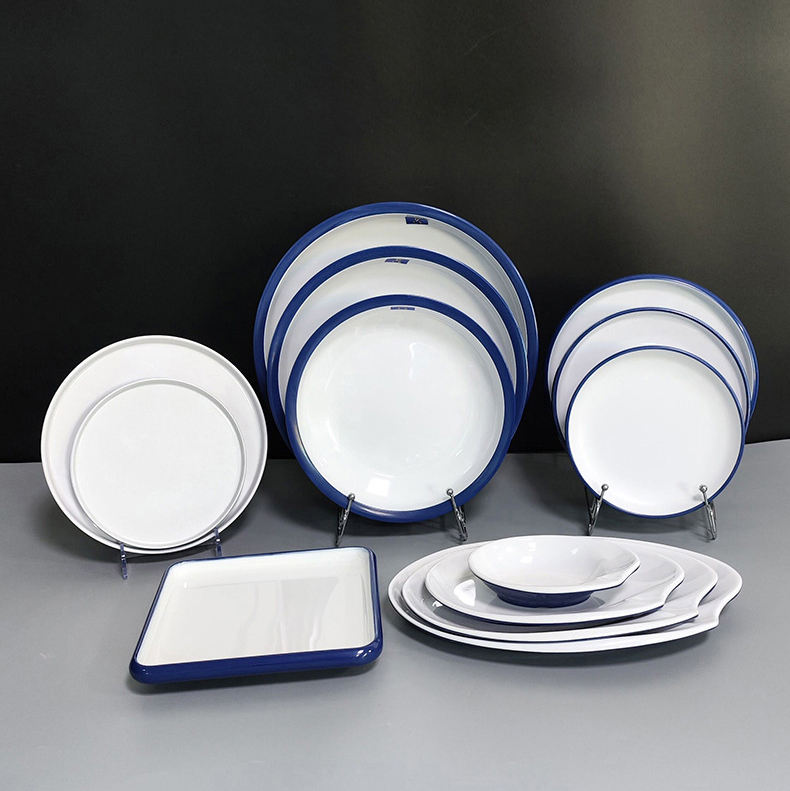
Setting a holiday table is all about the atmosphere. You’ve got the menu printed and the candles lit, but if a guest picks up a plate and it feels like flimsy, hollow plastic, the whole “high-end” vibe evaporates. When you’re shopping for holiday melamine plates, you aren’t just looking for a cute reindeer print. You’re looking for something that can actually pass for porcelain while surviving the chaos of a busy kitchen. According to Dongyu Technology, commercial-grade melamine needs to be dense enough to feel “real” while meeting FDA and EU safety standards.
The Hand-Feel Test
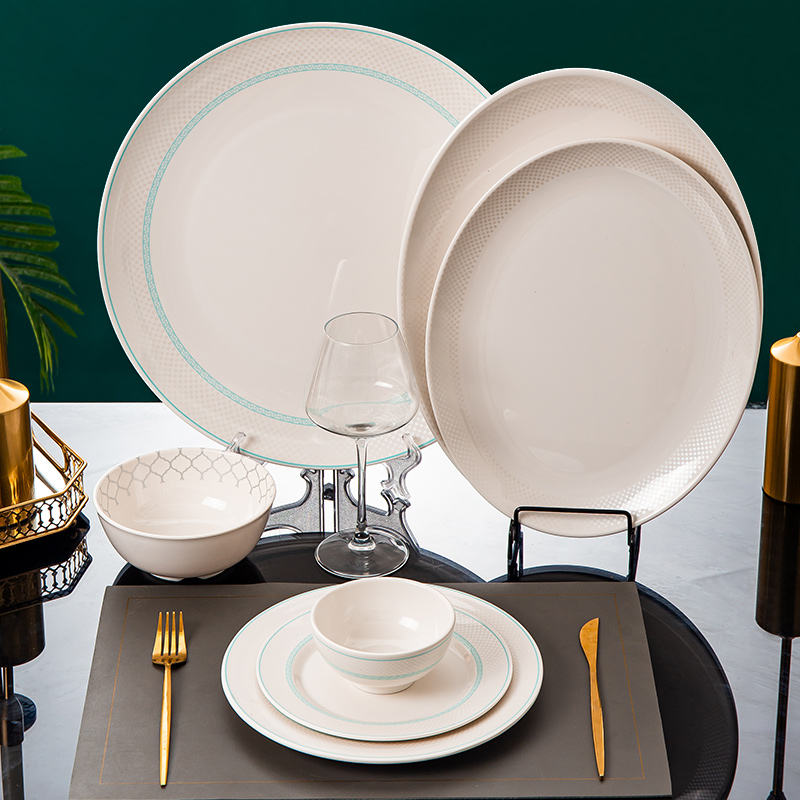
People notice quality the second they touch it. Whether they’re juggling a plate at a buffet or sitting down for a formal dinner, premium melamine should feel sturdy. A big red flag is a plate with sharp or rough edges. Cheap holiday melamine plates often have burrs—the kind of scratchy plastic bits you find on fast-food trays. It’s a mood killer and can actually be uncomfortable to hold.
To check for quality, pick the plate up. It should have some heft. Dongyu Technology uses high-purity A5-grade melamine resin to get that ceramic-like weight without making the plate too heavy to carry. Then, run your finger along the rim. Good plates go through a multi-step polishing process (usually four rounds of grinding) so the edges are smooth and rounded. This matters more than you’d think during a Christmas party when everyone is holding their plate with one hand while trying to mingle.
Practical Holiday Tip
During Christmas parties, Thanksgiving dinners, or other seasonal events, guests often balance plates while mingling or serving themselves from buffets. The combination of proper weight distribution and smoothly polished, rounded edges directly enhances safety and comfort, reducing the chance of slips and allowing everyone to focus on enjoying the celebration rather than worrying about the tableware. By prioritizing these tactile qualities, you ensure your chosen holiday melamine plates not only look festive but also deliver a premium, comfortable user experience. Dongyu’s plates consistently meet these standards through precise manufacturing, making them a standout choice for both home and commercial holiday use.
Color & Decal Depth
The visual performance of holiday melamine plates is equally critical—especially for seasonal tableware where presentation directly influences customer perception and brand value.
Surface-Level Printing That Fades Quickly
One of the most frequent issues in low-quality holiday melamine plates is surface-applied decals. Festive elements such as reindeer, snowflakes, or Christmas trees may appear visually appealing at first glance, but they often sit on top of the plate surface rather than being integrated into the material.
This leads to two major problems:
- Dull color reproduction with low saturation
- Peeling or fading after repeated washing, particularly in commercial environments
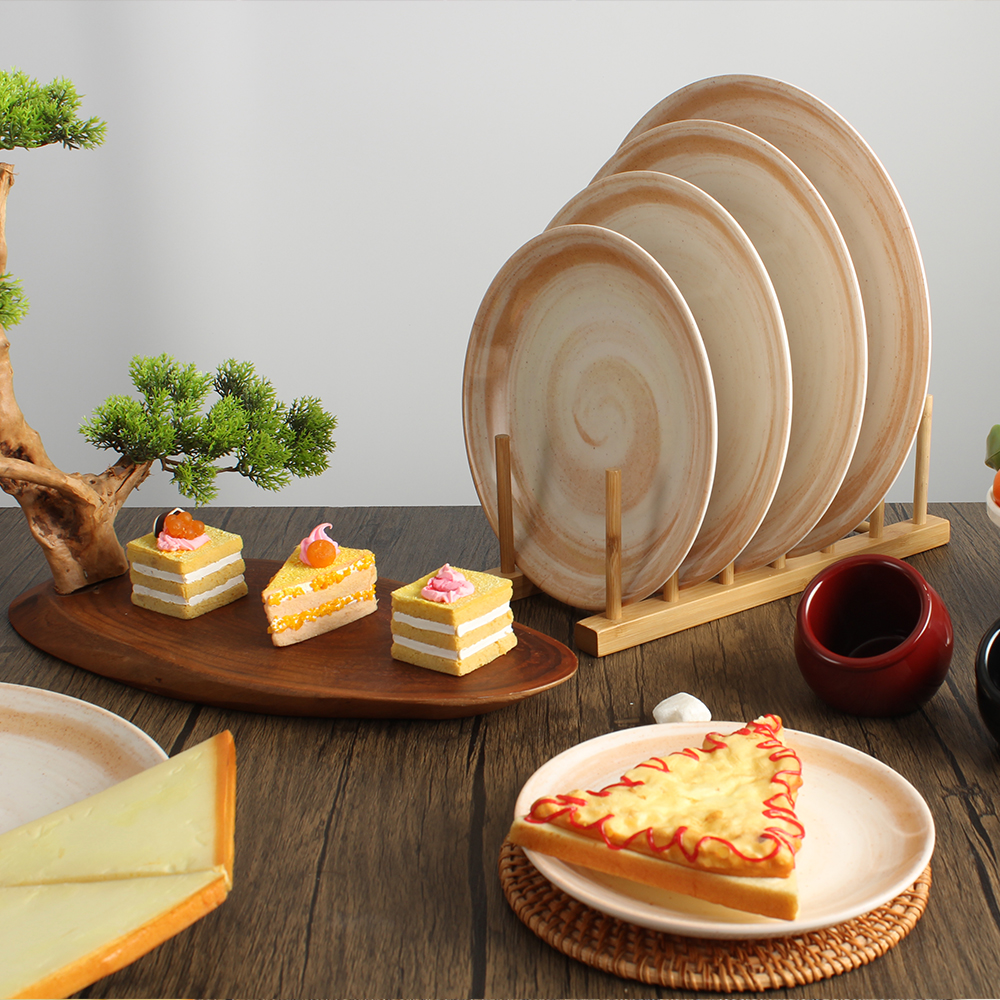
When you’re inspecting them, look for vibrancy. High-quality plates have rich colors that look like they’re embedded inside the plate rather than printed on it. Also, check the gloss. A good plate has a glaze that reflects light like real ceramic. This isn’t just for looks; a better seal means the plate is less likely to stain.
Customization with Reliable Color Reproduction
For businesses that require branded or seasonal designs, the Custom Logo Series from Dongyu offers a practical solution. Based on product information available on their official website, this series focuses on:
- Accurate color reproduction for custom graphics
- Consistent finish across batches
- Compatibility with bulk production needs
This makes it particularly suitable for holiday-themed promotions, where maintaining consistent visual identity across tableware is essential.
The Scent Test
After evaluating visual quality and hand feel, the final—and often most overlooked—step in selecting holiday melamine plates is odor detection. While appearance and texture signal craftsmanship, smell can reveal the material’s true safety level, especially under heat.
This is the one most people forget. Smell the plate. If a manufacturer cuts corners by mixing melamine with urea-formaldehyde (UF) resin, the plate might look fine but will start to smell like chemicals the moment it hits hot food.
Try the hot water test: pour some water over 80°C (176°F) onto the plate. If you smell plastic or anything pungent, the material is unstable. Pure melamine is odorless and much safer for serving hot holiday meals.
Safety Assurance
For businesses serving families during holidays, safety is not optional. Plates used for hot foods must meet strict food-contact standards to ensure they are safe for children, senior guests, and high-frequency use scenarios.
During holiday gatherings, dishes are often served hot and kept on plates for extended periods. In these conditions:
- Material stability directly impacts food safety and user confidence
- Any unusual odor can negatively affect the dining experience and brand perception
For catering businesses, restaurants, and retailers, choosing odor-free, food-safe holiday melamine plates is essential not only for compliance but also for maintaining customer trust during peak seasonal demand.
The Stacking Efficiency
In a commercial kitchen or a big family gathering, space is tight. If your holiday melamine plates have uneven bases, they’re going to wobble. Unstable stacks lead to “avalanches” in the pantry and slow down the staff.
Chaos in Holiday Back-of-House Operations
During peak holiday service, kitchens often operate under extreme pressure:
- Plates are constantly being washed, dried, and restacked
- Staff need to access tableware quickly and safely
- Storage racks are frequently moved or reorganized
If plates are poorly designed—with uneven bases or unstable stacking geometry—they can
- Tilt or wobble when stacked
- Slip and fall, increasing breakage risk (even for durable melamine)
- Slow down service due to constant readjustment
Check the Base Groove Design
Turn the plate over and inspect the bottom:
- Well-designed holiday melamine plates typically include a defined base ring or groove
- This structure helps:
- Prevent plates from sticking together after washing
- Improve stacking alignment and anti-slip stability
Perform a Vertical Stability Test
A simple but highly effective method is the stacking test:
- Stack 8–10 plates vertically on a flat surface
- Observe whether the stack remains straight or begins to lean
What to look for:
- Stable, vertical alignment → Indicates consistent dimensions and high mold precision
- Visible tilting or gaps → Suggests dimensional inconsistencies, which can lead to instability over time
Why Stacking Efficiency Impacts Your Business
Choosing stackable, well-designed holiday melamine plates offers several practical advantages:
- Improved storage efficiency → Maximizes limited kitchen space
- Reduced breakage risk → More stable stacks mean fewer accidents
- Faster workflow → Staff can handle and transport plates with confidence
Dealing with stains
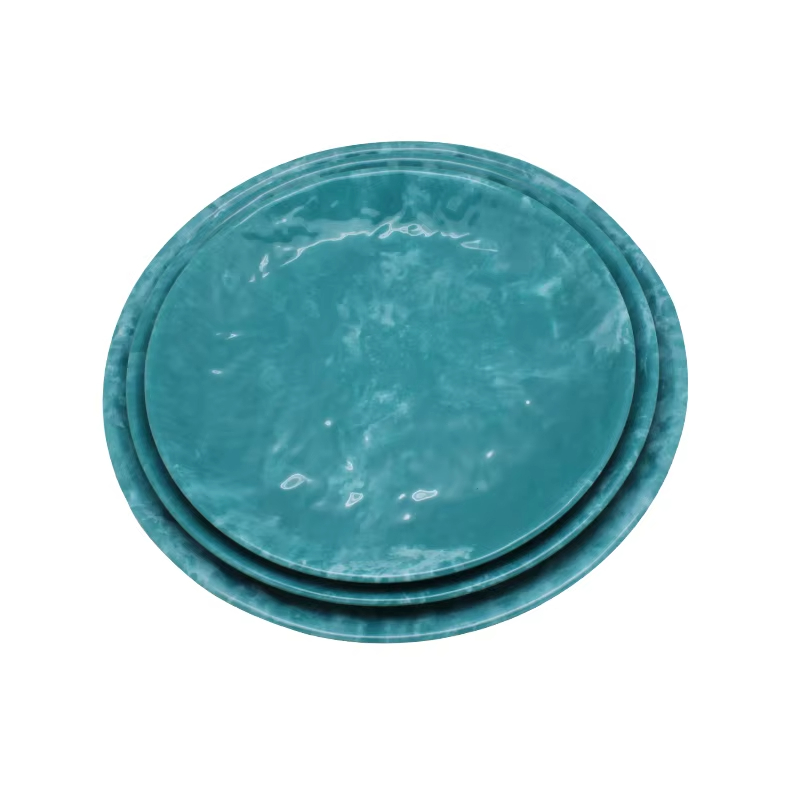
After ensuring stacking stability and operational efficiency, the next factor to consider is how well your holiday melamine plates recover after heavy use. In real-world holiday dining, appearance doesn’t just matter at the start of the meal—it matters just as much after repeated use and cleaning cycles.
Stubborn Holiday Food Stains
Holiday menus are often rich in color and oil, which makes them particularly challenging for tableware:
- Cranberry sauce and red wine can leave deep red pigments
- Curry dishes and spiced foods contain strong natural colorants (such as curcumin)
- Greasy sauces can carry pigments deeper into the surface
On lower-quality plates, these substances can penetrate the material surface and leave permanent discoloration, even after thorough washing. This not only affects aesthetics but also signals poor material performance.
Better plates have a higher surface density. If you can’t get a plate clean in a standard dishwasher cycle without scrubbing it with something abrasive, the quality isn’t there. For a restaurant or a caterer, “stain-resistant” isn’t just a buzzword—it’s the difference between a plate lasting five years or five months.
How to Evaluate Stain Resistance
When sourcing holiday melamine plates, consider these practical checks:
- Visual inspection after use: Do strong-colored foods leave a tint?
- Cleaning performance: Does a standard dishwasher cycle remove residues completely?
- Surface feel: A smoother, glossier surface is typically less prone to staining
Faster Turnover, Better Presentation
In busy holiday service scenarios, stain resistance directly impacts efficiency:
- Faster cleaning cycles → Plates can be reused quickly
- Consistent appearance → Maintains a clean, professional look across services
- Lower maintenance costs → Less need for replacement due to discoloration
For restaurants, caterers, and retailers, this translates into both cost savings and improved customer perception during peak seasonal demand.
Conclusion
Choosing the right holiday melamine plates is about more than just aesthetics; it is a strategic decision for any high-traffic hospitality environment. A truly professional-grade holiday plate should be a “silent overachiever”—performing like fine porcelain on the guest’s table while behaving like tempered steel in the demanding environment of a commercial kitchen.