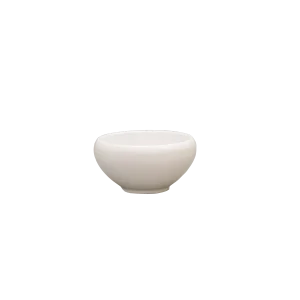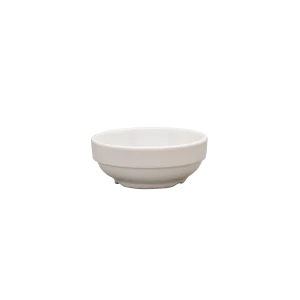

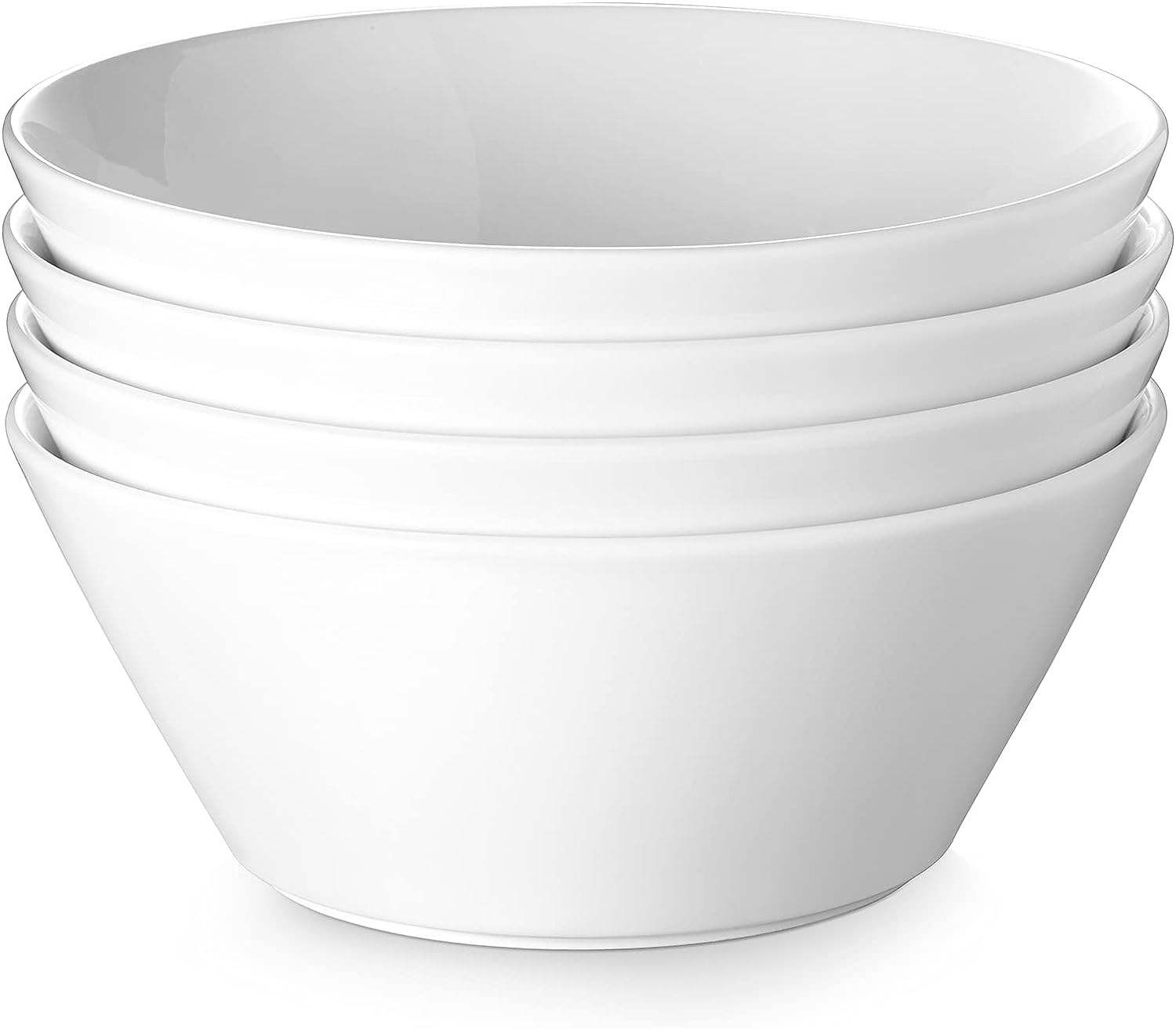
White melamine salad bowls are great because they look like expensive ceramic but don’t break when you drop them. The downside? They’re absolute magnets for stains. If you’ve ever served a big bowl of curry or a pasta with heavy tomato sauce, you know the struggle. Your crisp white bowl has a permanent yellowish tint that won’t budge with regular soap. Most people reach for a scrubby sponge or some bleach, but that’s actually the worst thing you can do. Once you scratch that smooth surface, the bowl is basically a goner because stains will just sink deeper into the grooves next time. Here is how to actually fix it and why it’s happening in the first place.
Why do white melamine salad bowls stain so easily
White melamine salad bowls are popular for their elegant look, lightweight design, and durability, but they can develop unsightly yellow or dull stains over time.
Primary Cause 1: Dried Food Residue and Pigment Penetration
The number one reason melamine dinnerware stains is leaving foods and sauces to dry on the surface. Highly pigmented or acidic items like tomato sauce, curry, berries, coffee, tea, and oily foods are the most common culprits. When these residues dry, their color pigments can penetrate the surface, leading to stubborn discoloration.
Primary Cause 2: Protein Build-up from Hard Water
The second culprit is protein build-up. This is a weird one because it looks like a yellow stain, but it’s actually a film of food proteins and hard water minerals that have bonded to the surface. It makes the bowl look cloudy or dull, and it’s surprisingly tough to get off. High-quality A5-grade melamine is pretty dense, but even the best bowls will eventually show wear if you don’t stay on top of it.
Daily Care to Keep Your Melamine Salad Bowls Bright White
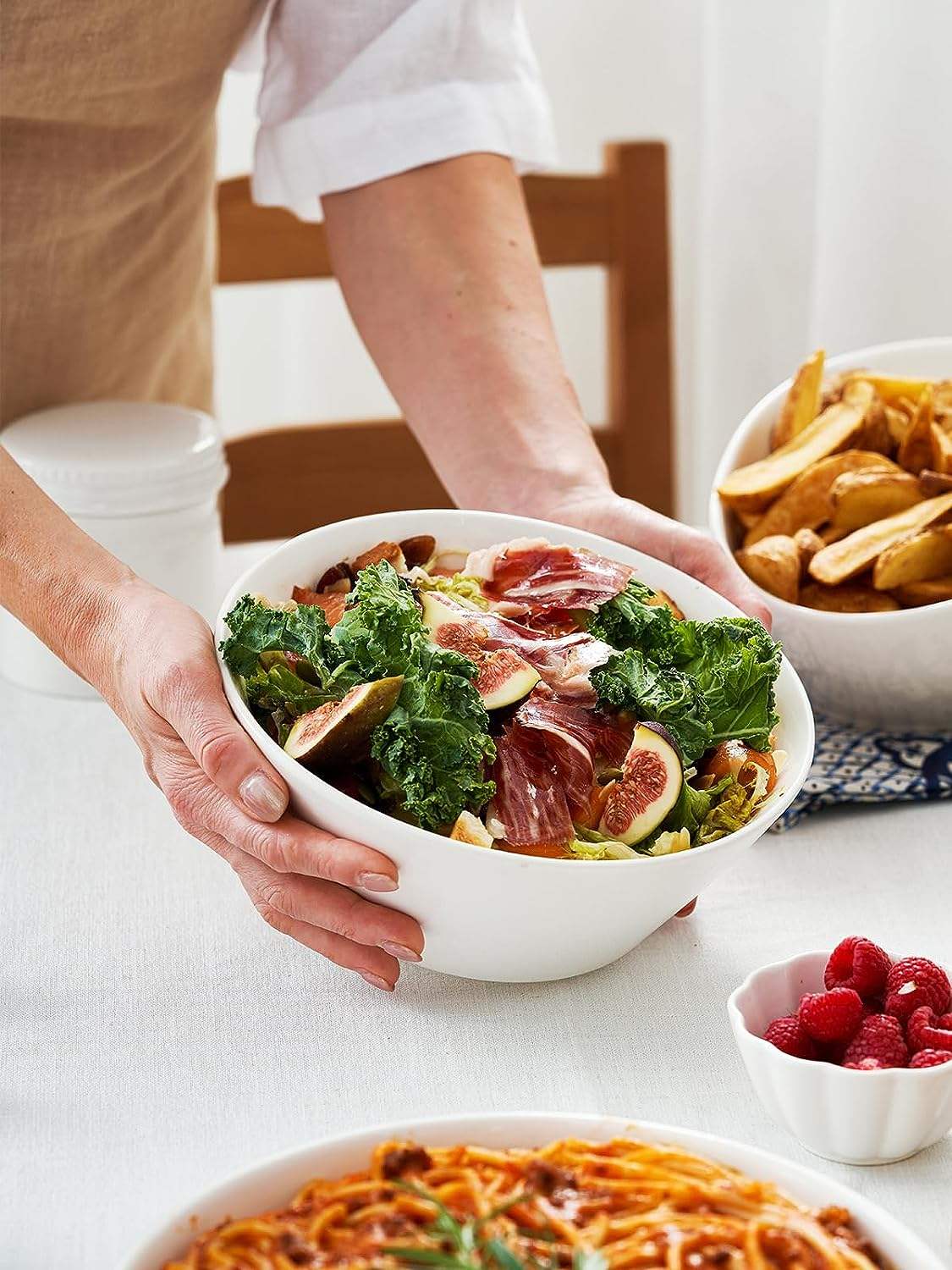
Prevention is always better than cure when it comes to keeping your white melamine salad bowls looking pristine. The golden rule is simple: rinse off food residues immediately after use and never let sauces or food dry on the surface.
Here are practical steps that work effectively:
- Rinse right away: After meals, immediately rinse your melamine salad bowls under warm water to remove loose food particles and prevent pigments from setting in.
- Pre-soak regularly: If you can’t wash immediately, pre-soak the bowls every 1-2 weeks for 10-20 minutes in warm water with mild dish soap. This helps break down any remaining residue before it builds up.
- Avoid prolonged contact: Do not store highly pigmented foods, colorful liquids, curry, tomato-based sauces, or coffee/tea in the bowls for extended periods.
- Dishwasher guidelines: Melamine is dishwasher safe. Always place your melamine salad bowls on the top rack, use a gentle cycle, and keep water temperature at or below 70°C (158°F) to protect the finish.
4 Safe & Effective Methods
Keeping your white melamine salad bowls looking bright and new is easy when you use the right gentle techniques. Here are four proven, safe methods for your melamine salad bowls. Try them in order, starting with the mildest.
1. The baking soda paste
This is my go-to for coffee, tea, or light curry stains. It’s effective because baking soda is a tiny bit abrasive but not enough to scratch the melamine.
- Mix baking soda and water until it looks like toothpaste (about a 1:2 ratio).
- Smear it all over the stained spots.
- Leave it alone for at least 15 minutes. If the stain is bad, give it an hour.
- Rub it gently with a soft cloth and rinse.
2. Oxygen-based cleaner soak
If the baking soda didn’t work, or if you’re dealing with that yellowish protein film, you need something stronger. Grab a non-chlorine oxygen cleaner.
- Dissolve the cleaner in warm water.
- Let the bowls soak for a few hours or even overnight.
- This usually lifts the deep yellowing that nothing else can touch.
3. The vinegar trick
If your bowl just looks “cloudy” or has white spots from hard water, vinegar is the answer.
- Mix equal parts white vinegar and warm water.
- Soak the bowl for about 20 minutes.
- It dissolves the mineral deposits that soap misses.
4. The preventative soak
If you just used the bowl for something messy, don’t just throw it in the sink. Fill it with warm water and a little dish soap immediately. If you add a dash of baking soda to this “pre-soak,” it keeps the pigments from ever getting a chance to settle.
These methods help preserve the smooth finish and long-lasting beauty of your white melamine salad bowls. With consistent gentle care, they will stay hygienic, bright white, and scratch-free for years. Always rinse thoroughly after treatment and air dry or towel dry completely.
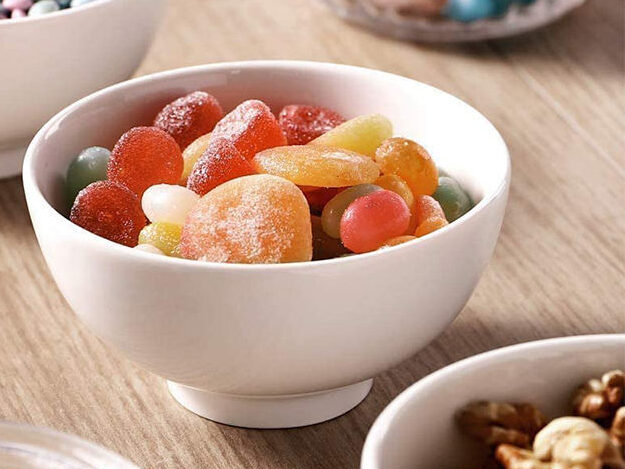
Don’t Ruin Your Melamine Salad Bowls
Even though melamine salad bowls are durable and impact-resistant, certain common mistakes can permanently damage their smooth surface, cause yellowing, or make them more prone to staining. Protecting your white melamine salad bowls means avoiding these harmful practices.
Here is the absolute “Do Not” list:
| Forbidden Action | Why You Must Avoid It |
|---|---|
| Chlorine bleach | Causes brittleness, yellowing, and surface damage |
| Abrasive powders, steel wool, or green scouring pads | Creates scratches that trap dirt and pigments |
| Pouring boiling hot water directly | Can warp or crack the material |
| Using in a microwave oven | May cause warping, melting, or chemical release |
Why these mistakes cause lasting damage
Abrasive tools scratch the protective smooth top layer of melamine. Once scratched, the surface becomes rough and stains much more easily. Harsh chemicals like chlorine bleach degrade the material over time, while extreme heat (microwave or boiling water) can deform the bowls.
Conclusion
If you’ve picked up a Dongyu melamine salad bowl, you’re starting with high-grade A5 material, which is much more stain-resistant than the cheap stuff. But even the best gear needs a little love. I recommend a “deep polish” once a month with the baking soda method just to keep that factory shine.
The golden rule is pretty simple: rinse it fast. If you don’t let the sauce dry, you’ll almost never have to deal with a real stain. Correct care is the secret to longevity. A well-maintained Dongyu melamine salad bowl is more than just a dish; it is a durable partner in your dining experience, providing a safe, hygienic, and beautiful presentation for your meals. Don’t wait for stains to become permanent. Try the baking soda method on your favorite bowl tonight and see the difference.
FAQs
Can old coffee or tea stains really be removed?
Yes. While tannins are stubborn, a targeted baking soda paste or an oxygen-based soak can effectively lift these pigments without damaging the bowl’s surface.
Can a yellowed, aged bowl be fully restored to its original white?
Most surface discoloration and protein buildup can be removed. However, if the bowl has suffered “deep-heat” damage or chemical erosion from chlorine bleach, the restoration may be limited.
Why does my white bowl look “cloudy” even after washing?
This is usually protein buildup or mineral deposits from hard water. A 15-minute soak in a 1:1 white vinegar and water solution will typically dissolve this film and restore the shine.