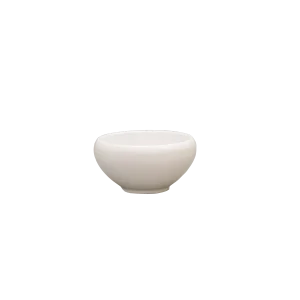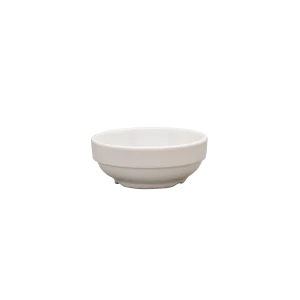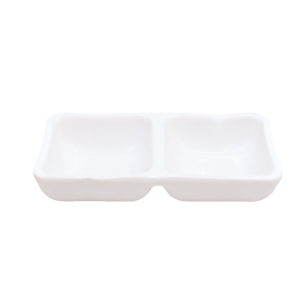
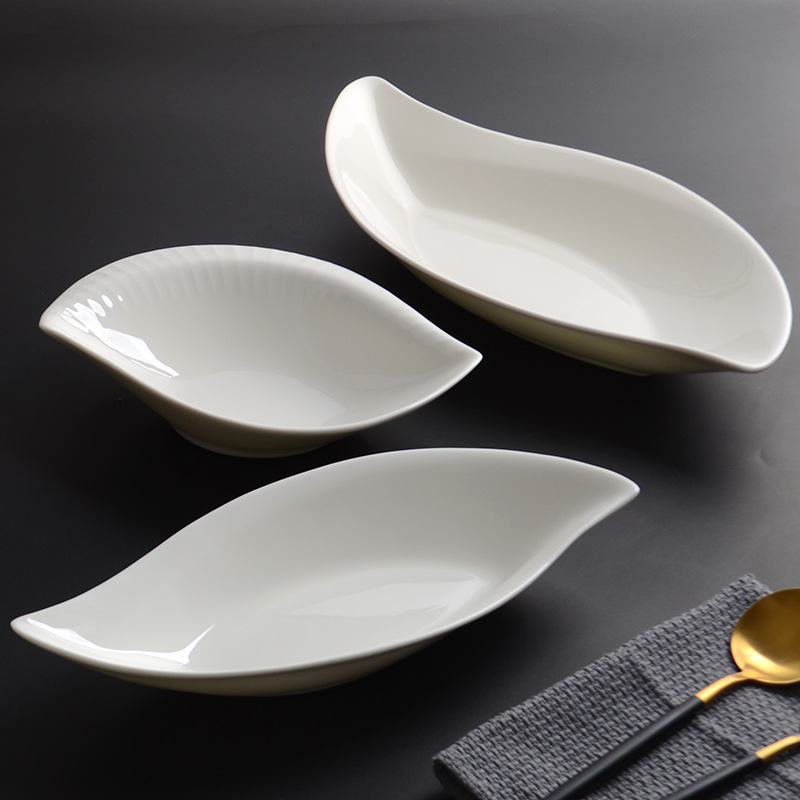
We use our plates and bowls every single day, usually without thinking twice about what they’re actually made of. But here’s the thing: the FDA is pretty clear that there is no “safe” amount of lead exposure. Most of the time, lead sneaks into your food through ceramic glazes or those bright, pretty pigments—especially the vivid reds, oranges, and yellows. For kids and pregnant perple, this isn’t just a minor detail. Lead can seriously mess with brain development and fetal growth. Choosing truly lead-free dinnerware isn’t about being picky; it’s about basic safety.
Where the Lead is Hiding
Finding safe dishes isn’t always as simple as reading a label. Even products that claim to be safe can have issues if the manufacturer cut corners or the dishes are getting old.
Glazes and Coatings
In the world of ceramics, lead is often used to make glazes shiny or to help them melt at lower temperatures. The FDA points out a major flaw here: if the kiln isn’t hot enough or the firing time is too short, the lead doesn’t actually bond with the clay. It just sits there, ready to leach into your coffee, morning orange juice, or pasta sauce.
“Fake” Lead-Free Labels
The term “lead-free” can be a bit of a lie. The FDA has caught products labeled “lead-free” that were actually releasing high levels of metal. Usually, this happens because of cross-contamination—like a factory using an old kiln that still has lead residue—or a total lack of quality control. If you’re a B2B buyer, sticking with industrialized suppliers like Dongyu Technology is a safer bet because they use audited, controlled environments where this kind of mess-up is less likely.
Antiques and Cheap Imports
Before the 1970s, lead regulations were pretty much non-existent. That means vintage plates, handcrafted items from local markets, or unbranded imports are risky. If a dish has a “chalky” feel or the decorations feel raised and rough, the glaze probably didn’t seal the pigments properly.
Wear and Tear
Even a good plate has an expiration date. Scratches from knives or tiny cracks in the glaze (called “crazing”) break the seal. The FDA notes that old, beat-up dishes are much more likely to leach lead than brand-new ones.
The Health Reality
Lead doesn’t usually make you sick overnight. It builds up. For kids, even tiny amounts can lead to lower IQs and behavioral issues that don’t go away. In adults, it’s linked to high blood pressure and kidney problems. This is why manufacturers like Dongyu Technology lean so hard into high-temperature firing; it’s the only way to make sure the materials stay stable over years of use.
What “Lead Free” Actually Means
Most people assume “lead free dinnerware” means zero lead. It actually doesn’t. It means the “leachable” lead—the stuff that actually gets into your food—is below the FDA’s limit. A dish could have lead in the mix, but if it’s fired correctly and doesn’t leak, it passes. Ironically, a “lead-free” dish made in a contaminated factory can be more dangerous than a lead-glazed dish that was fired perfectly.
Here’s a clear comparison:
| Type | May Be Safe? | Reason |
|---|---|---|
| Contains lead but stable | Yes | Lead is properly bound in the glaze and does not leach |
| Lead-free but contaminated | No | Residual lead from equipment or poor quality control can still leach |
This distinction is critical when selecting lead-free dinnerware. Reliable manufacturers like Dongyu Technology prioritize consistent industrial production, strict quality control, and proper high-temperature firing to ensure low or non-detectable leachable lead levels in their food-contact products. Understanding this helps buyers choose genuinely safer options for daily use.
How to Pick Safely
- Verify the source: Don’t just take a “lead-free” sticker at face value. Look for third-party lab tests.
- High-heat is better: Look for porcelain fired at 1,200°C or higher. At that heat, the material basically turns into glass (vitrification), making it almost impossible for anything to leach out.
- Avoid the “bright and bumpy”: If the red or orange paint feels like it’s sitting on top of the glaze, don’t buy it.
- Stick to industrial pros: Manufacturers like Dongyu Technology use scalable, industrial processes. Small, unregulated workshops are where most of the contamination issues happen.
The Best Materials
- Glass: It’s naturally non-porous and almost never uses lead glazes. Pure glass (like borosilicate) is about as safe as it gets.
- High-Temp Porcelain: If it’s fired at extreme heat, it’s a top-tier choice for safety and durability.
- Stainless Steel: Use 304 or 316 grade. It’s unbreakable and has no coatings to flake off.
- Bio-Based Materials: Bio-composites are the new standard for eco-friendly brands. Dongyu Technology is a leader here, using polymer science to make sure these natural materials are actually food-safe and lead-free.
Why More Brands Are Switching to Lead-Free Solutions
More restaurants, foodservice companies, and consumer brands are actively transitioning to lead-free dinnerware and safer food-contact materials. This shift is driven by three major factors:
Rising Consumer Health Awareness
Today’s customers are more informed than ever about the long-term health risks of lead exposure. Parents, in particular, are demanding safer everyday products for their families, pushing brands to prioritize verified low-leach or lead-free options.
Stronger FDA Oversight
The FDA continues to tighten enforcement on lead in ceramics, cookware, and food-contact surfaces. Recent warnings and guidance emphasize that even low levels of leachable lead are concerning, with increased scrutiny on imported and traditional pottery. Brands face higher risks of recalls, reputational damage, and regulatory action if they continue using non-compliant materials.
Growth of Sustainable Materials
There is strong momentum toward eco-friendly, durable alternatives such as high-quality melamine, bio-based composites, and other food-safe materials. These options support both safety and environmental goals, especially in the booming takeaway and catering sectors.
Dongyu Technology supports this transition by providing professional-grade, food-contact certified dinnerware solutions. As an experienced manufacturer, Dongyu delivers consistent, scalable production of safe melamine and bio-based products tailored for restaurants, takeaway services, catering businesses, and food brands seeking reliable, lead-free alternatives. Switching to properly manufactured lead-free dinnerware is becoming not just a health choice, but a smart business decision.
Conclusion
The journey to a truly non-toxic kitchen ends with one fundamental truth: safety is not a luxury, but a requirement for every meal. As we have explored, the transition to lead-free dinnerware is the most effective way to protect your health and the well-being of future generations.
Immediate Action Steps
- Inspect your current dinnerware for chips, cracks, or bright decorative glazes, especially on older or imported pieces.
- Replace questionable items with high-quality, properly certified lead-free dinnerware.
For restaurants, catering businesses, takeaway services, and food brands, choosing a trustworthy manufacturer is the most effective way to protect customers and reduce liability.
Ready to upgrade to truly safer dinnerware? Contact Dongyu Technology today for product recommendations and tailored solutions.