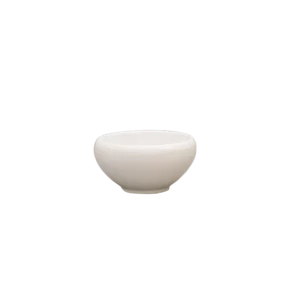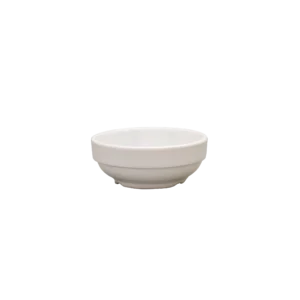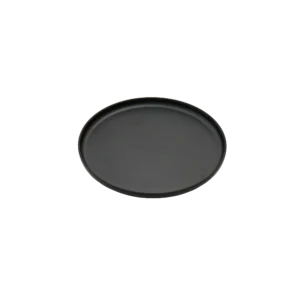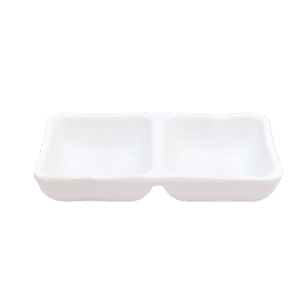

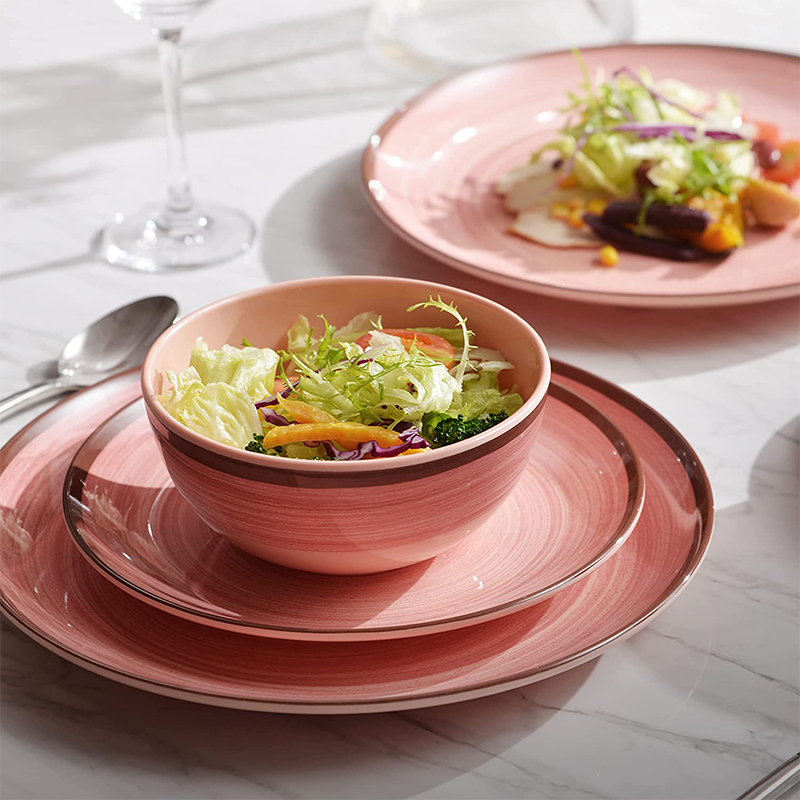
Whether it’s those colorful plates in your kitchen cabinet or the heavy-duty bowls at your favorite ramen spot, melamine is everywhere. It’s cheap, it looks like ceramic, and it’s practically indestructible. But as more of us use it, the same question keeps popping up: is it actually safe to eat off this stuff long-term?
What Exactly Is Melamine
Chemically, melamine is a nitrogen-rich compound. To make plates and bowls out of it, manufacturers react it with formaldehyde to create what’s called melamine-formaldehyde resin.
Unlike the plastic in a soda bottle or a Tupperware container (thermoplastics), melamine is a thermosetting plastic. This means once it’s molded into a shape, it stays that way. It doesn’t melt back down. This unique structure gives it some serious perks:
- It’s tough as nails: It’s incredibly hard to scratch and won’t shatter if you drop it on a tile floor. While a ceramic plate has brittle boundaries that snap, melamine absorbs the energy of a fall.
- It keeps its cool: Melamine is a great insulator. If you pour boiling soup into a melamine bowl, the outside stays comfortable to hold. It doesn’t transfer heat nearly as fast as metal or ceramic.
- Thermal stability: High-quality sets can handle temperatures from -20°C to 120°C without warping or getting “bendy.”
This is why you see it in school cafeterias, airplanes, and camping gear. It mimics the feel of expensive ceramic but doesn’t require a replacement every time someone has butterfingers.
| Material Type | Impact Resistance (Drop-Safe) | Heat Resistance / Microwave | Surface Hardness (Scratch-Safe) | Thermal Insulation(Stays Cool to Touch) | Common Use Cases |
|---|---|---|---|---|---|
| Melamine | ⭐⭐⭐⭐⭐ | Not Microwave Safe | ⭐⭐⭐⭐ | Excellent (Stays cool longest) | Commercial dining, School/Company canteens, Kids’ ware, Household (family meals, especially with children) |
| Ceramic | ⭐ | Excellent | ⭐⭐⭐⭐⭐ | Medium (Gets hot relatively quickly) | Fine dining, Cafes |
| Polypropylene (PP) | ⭐⭐⭐⭐ | Microwave Safe | ⭐⭐ | Excellent (Stays cool best for plastic) | Takeout containers, Food prep |
| Stainless Steel | ⭐⭐⭐⭐⭐ | Not Microwave Safe | ⭐⭐⭐⭐ | Poor (Heats up extremely fast) | Canteens, Camping, Outdoor |
| Bamboo Fiber | ⭐⭐⭐ | Not Recommended | ⭐⭐⭐ | Good (Stays cool, eco-friendly touch) | Eco-friendly boutiques |
Understanding the Limits of Your Melamine Dinnerware
The safety of melamine isn’t a simple “yes” or “no.” It’s more of a sliding scale based on heat, time, and acidity. While the resin is stable up to 120°C, chemical migration—where tiny amounts of the material “leak” into your food—can start much earlier.
The 70°C Rule
Once your food or liquid gets hotter than 70°C, the rate at which melamine moves into your food increases. It’s not a slow crawl; it’s a jump.
The Acid Factor
If you’re eating something very acidic—think vinegar-heavy dressings or a rich tomato sauce (pH < 5)—it can actually start a microscopic breakdown of the resin surface. This means more migration can happen even if the food is at room temperature.
Why “No Microwave” Is the Gold Standard
This is the one rule you shouldn’t break. Melamine itself doesn’t absorb microwaves well, but the food inside does. If you’ve got oily leftovers or a watery soup, those can blast past 100°C in seconds. That localized heat is way too much for the resin, potentially damaging the plate and leaching chemicals into your lunch.
Is Melamine Actually Toxic
To get a real answer, we have to look at the numbers from the people who study this for a living.
- EFSA (Europe): They set the tolerable daily intake (TDI) at 0.2 mg per kg of body weight.
- FDA (USA): They’ve looked at the data and concluded that if the dinnerware is made correctly, the amount of melamine that moves into food is well within safe limits for normal use.
- The Safety Margin: These limits aren’t “the point where you get sick.” They are set with massive safety cushions.
In short: Melamine isn’t inherently “poison.” The risk only shows up when you use it for things it wasn’t built for—like microwaving, putting it over an open flame, or leaving boiling acidic food in it for hours. As of now, there’s no evidence that using certified melamine products causes health issues if you follow the “no microwave” rule.
Understanding the Lifespan
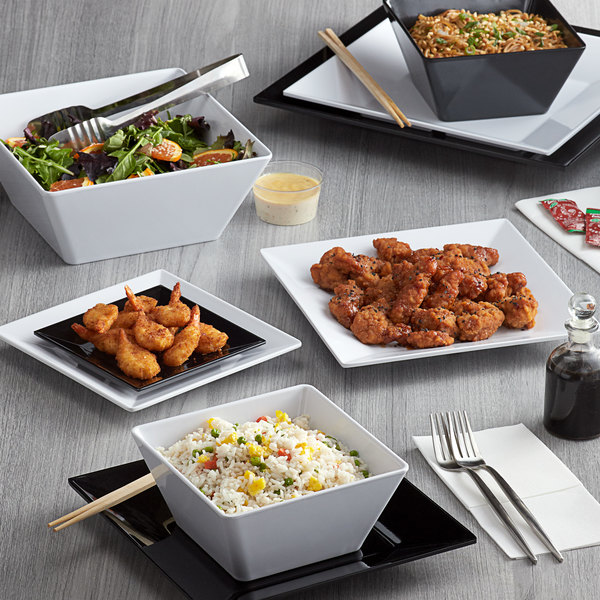
In the restaurant world, melamine is called “semi-permanent” tableware. It’s a tank.
- Breakage rates: High-volume kitchens usually see less than 5% breakage per year with melamine. Compare that to 20% or even 50% for ceramic and glass, and you can see why business owners love it.
- The “Glaze” is the key: When melamine is made, it gets a shiny top coat called glazing powder. This is your shield.
- When to toss it: If your plates start to look dull, yellowed, or feel “chalky,” the shield is gone. Photo-degradation (from light) or thermal wear has made the surface porous. At that point, it’s time to retire them.
How to Use It Safely (and Spot the Cheap Stuff)
Not all melamine is created equal. You want 100% pure melamine, not the “look-alikes” mixed with cheap fillers.
- The Weight Test: Good melamine feels heavy and solid, like a stone. If it feels like a flimsy plastic cup, put it back.
- The Sound Test: Give it a light tap. It should ring with a crisp, ceramic-like sound rather than a dull “thud.”
- The Odor Test: It shouldn’t smell like anything. If you get a strong chemical whiff, it’s poorly made.
- Check the Labels: Look for “NSF,” “FDA compliant,” or “EU food contact” marks.
Maintenance Tips
- Ditch the scrubbies: Never use steel wool or abrasive pads. Scratches create hiding spots for bacteria and make it easier for chemicals to escape later.
- Avoid the deep fryer: Don’t put food straight from a 150°C fryer onto melamine. It’s too hot.
- Neutral soap only: Use mild detergents. Harsh, high-alkaline cleaners can eat away at the finish over time.
| Factor | Safe Zone | Risk Zone |
|---|---|---|
| Max Temperature | Below 70°C (Ideal) | Above 100°C / Microwaves |
| Food Type | Neutral pH | Highly Acidic (pH < 5) |
| Cleaning | Soft sponges | Abrasive scrubbers (creates cracks) |