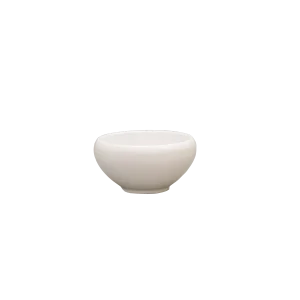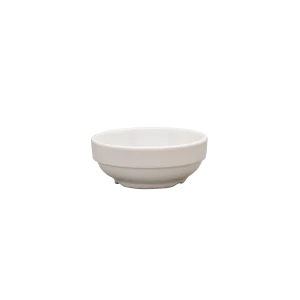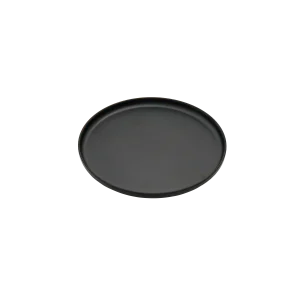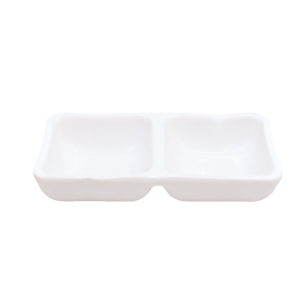
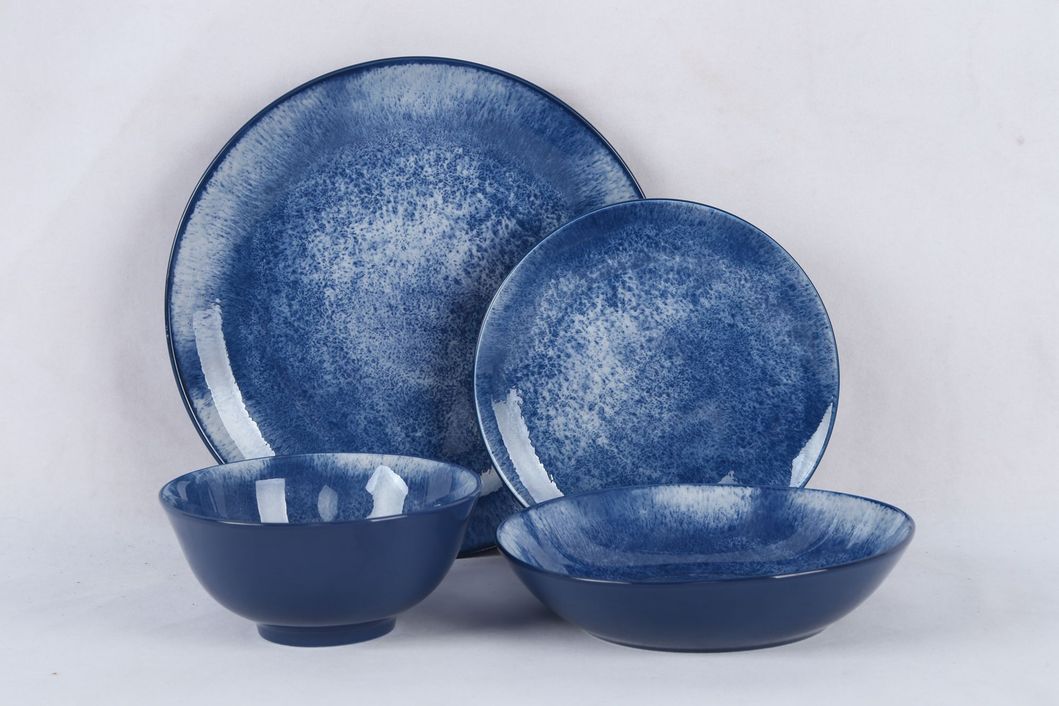
Melamine dinnerware, a staple in modern households, restaurants, and catering services, has a rich history that intertwines with advancements in chemical engineering and changing consumer needs. To understand its journey, we must start with the discovery of melamine itself. In 1834, German chemist Justus von Liebig first synthesized melamine, a nitrogen-rich organic compound, though its practical applications remained limited for over a century. It wasn’t until the mid-20th century that melamine resin—formed by combining melamine with formaldehyde under heat and pressure—emerged as a revolutionary material.
The post-World War II era marked a turning point. As economies rebounded, there was a surge in demand for affordable, durable household goods. Traditional materials like porcelain and glass were fragile and costly, while metalware often rusted or reacted with acidic foods. Melamine resin, with its heat resistance, shatterproof properties, and moldability, quickly filled this gap. In the 1950s, manufacturers began experimenting with melamine to create dinnerware, capitalizing on its ability to mimic the look of porcelain at a fraction of the cost.
Early melamine dinnerware was simple in design—mostly plain white or pastel-colored plates and bowls—targeted at middle-class families seeking practicality. By the 1960s, advancements in pigment technology allowed for vibrant patterns and prints, making melamine a favorite for children’s tableware. Its non-toxic nature (when properly manufactured) and resistance to breakage addressed parental concerns about safety, cementing its place in households with young kids.
The 1970s and 1980s saw further innovation. Manufacturers introduced textured finishes, imitating natural materials like wood, bamboo, and stone, appealing to consumers seeking rustic or organic aesthetics. This period also saw melamine gain traction in commercial settings. Restaurants, especially fast-food chains and diners, adopted melamine for its durability and ease of cleaning, reducing replacement costs significantly.
In the 21st century, sustainability became a key driver of innovation. As environmental awareness grew, manufacturers developed eco-friendly melamine variants, incorporating recycled materials or biodegradable additives. Additionally, stricter regulatory standards—such as those set by the FDA in the U.S. and the EU’s REACH regulations—ensured that modern melamine dinnerware met rigorous safety criteria, addressing earlier concerns about potential chemical leaching.
Today, melamine dinnerware is a global phenomenon, with production hubs in countries like China, Thailand, and the United States. Its evolution reflects broader trends: the rise of convenience culture, the demand for affordable luxury, and the balance between functionality and aesthetics. From its humble beginnings as a practical alternative to porcelain to its current status as a versatile, stylish choice for diverse settings, melamine dinnerware continues to adapt, proving its enduring relevance in the ever-changing world of kitchenware.
The 2000s also brought about a shift in consumer preferences toward customization. Brands began offering bespoke melamine dinnerware, allowing restaurants and event planners to imprint logos, themes, or unique designs. This flexibility made melamine a go-to option for themed parties, corporate events, and hospitality businesses aiming to reinforce their brand identity.
Furthermore, the hospitality industry’s expansion in emerging markets like Asia and Latin America boosted melamine’s popularity. In regions where outdoor dining and street food culture thrived, melamine’s resistance to heat and impact made it indispensable. Street vendors, for instance, favored melamine bowls and plates for serving hot soups and spicy dishes, as they were less likely to break during busy service hours.
Looking back, the history of melamine dinnerware is not just about a material but about meeting human needs: durability for busy lives, affordability for mass consumption, and adaptability for diverse cultural contexts. As we move forward, this journey continues, with melamine evolving to meet new challenges, from environmental sustainability to ever-evolving design trends.