Good food prep usually comes down to having tools that don’t make your life harder. While most of us grew up with heavy glass or clattering stainless steel, melamine mixing bowls have quietly taken over as the practical favorite. They’re light, almost impossible to break, and honestly just easier to live with than a ceramic bowl that chips if you look at it wrong.
The Superior Durability of Melamine in Busy Kitchens
When it comes to high-traffic kitchens, the melamine mixing bowl is the undisputed champion of longevity. Unlike traditional stoneware or glass, which can shatter upon a single impact, melamine is engineered for resilience.
They’re actually built to last
If you’ve ever dropped a ceramic bowl on a tile floor, you know that “heart-sinking” sound of it shattering into a million pieces. Melamine doesn’t do that. It’s made from a hard, heat-resistant resin that’s engineered to take a beating.
- Drop-proof: These bowls are virtually shatter-proof. In a busy kitchen where things get slippery, a melamine mixing bowl is more likely to bounce than break.
- No more chips: Unlike stoneware that gets those annoying hairline fractures over time, high-quality melamine stays smooth even after years of being tossed in the dishwasher.
- Strong but light: Industry data shows melamine is about 30-50% lighter than porcelain, but it’s much harder to damage. It’s the “heavy-duty” choice without the actual heavy weight.
| Feature | Melamine Mixing Bowls | Ceramic/Glass Bowls |
|---|---|---|
| Durability | Shatter-proof | Fragile |
| Weight | Lightweight | Heavy |
| Typical Lifespan | 5+ Years | Varies |
| Safety | No sharp shards if broken | High risk of glass/ceramic shards |
From Home to Hospitality
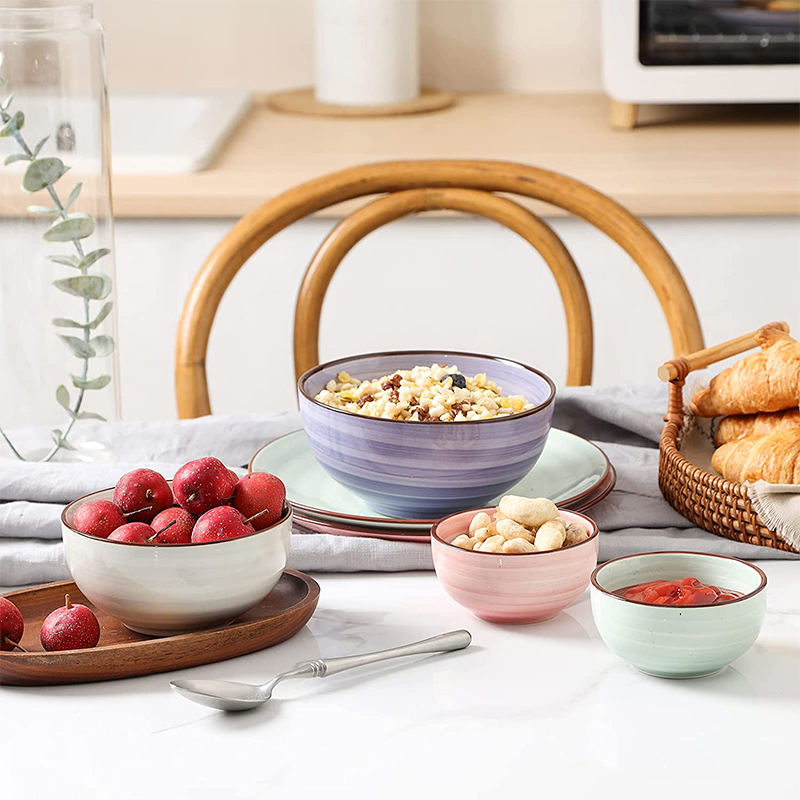
Because of its rugged nature, the melamine mixing bowl has become a staple in two primary environments:
High-Volume Food Service: Restaurants and catering companies prioritize melamine to lower their “replacement rate.” In an industry where margins are tight, reducing the cost of broken dinnerware directly impacts the bottom line.
The “Kid-Friendly” Home Kitchen: For families involving children in baking, melamine provides peace of mind. It’s the go-to choice for teaching kids how to mix and pour without the risk of heavy, breakable bowls causing injury.
Industry Insight: Leading food service analysts, such as those at Foodservice Equipment & Supplies (FE&S), consistently categorize melamine as a “cost-effective alternative” to traditional china because its breakage rate is roughly less than 10% per year in commercial settings, compared to much higher rates for glass.
Lightweight and Easy to Handle
When it comes to high-frequency kitchen tasks, the weight of your equipment is often the difference between a seamless experience and physical fatigue. Melamine mixing bowls excel in this category, offering a “featherweight” performance that professional-grade stainless steel or artisanal ceramics simply cannot match.
Saving your wrists
The weight of your gear matters when you’re whisking a thick batter or pouring out a heavy dough. Melamine offers a high strength-to-weight ratio that makes it much more ergonomic than stainless steel or artisanal ceramics.
| Material | Typical Weight | Impact on Handling |
|---|---|---|
| Melamine | 400g – 600g | Effortless one-handed pouring and whisking. |
| Stainless Steel | 700g – 900g | Moderate; can be slippery and noisy. |
| Ceramic/Glass | 1,500g – 2,500g+ | Heavy; requires two hands; high risk of breakage if dropped. |
I’ve found that using a lighter bowl gives you way more control over the angle when you’re pouring. Most good melamine sets also have a rubber ring on the bottom. Since the bowl itself isn’t heavy, that non-slip base actually works—it keeps the bowl from “walking” across the counter while you work.
This is a game-changer for a few specific groups:
- Older adults: If you have arthritis or just less grip strength, heavy stoneware is a literal pain. Melamine makes stirring manageable again.
- Kids: If you’re teaching your kids to bake, you don’t want them handling a 5-pound glass bowl that could shatter. Melamine is the “safe” option for little hands.
High-Intensity Kitchen Work
In professional settings or meal-prep marathons, “kitchen fatigue” is real. Melamine bowls allow chefs to move through dozens of prep cycles—washing, lifting, and pouring—without the cumulative wrist strain caused by heavier alternatives.
Expert Insight: “Melamine’s durability and light weight make it a staple in high-volume catering environments where speed and safety are the top priorities.”
Cost-Effective Without Sacrificing Quality
For businesses and high-volume kitchens, the financial bottom line is just as important as the quality of the tools used. Melamine mixing bowls represent the “sweet spot” of the culinary world: they provide the premium look and feel of ceramic or porcelain at a fraction of the investment.
The Economic Edge over Traditional Materials
When compared to glass, stainless steel, or ceramic, melamine offers a significantly lower Total Cost of Ownership. While stainless steel is durable, high-quality food-grade steel is expensive and prone to denting or heat conduction issues. Ceramic and glass, while beautiful, are brittle and require frequent replacement due to chipping and shattering.
| Feature | Melamine Mixing Bowls | Stainless Steel | Glass / Ceramic |
|---|---|---|---|
| Initial Cost | Low to Moderate | Moderate to High | High |
| Breakage Rate | Extremely Low | None (but dents) | High |
| Replacement Cycle | Long | Long | Short |
Why “Low Cost” Doesn’t Mean “Low Quality”
In the case of melamine, cost-effectiveness is driven by manufacturing efficiency rather than a compromise in performance.
- Durability-Driven ROI: Melamine is virtually unbreakable. According to industry standards for commercial dinnerware, melamine has an annual replacement rate of approximately 10% to 20%, whereas ceramic and glass can see replacement rates as high as 50% to 150% per year in high-traffic environments.
- Energy Efficiency: Melamine is an excellent insulator. It retains temperatures longer than metal, which is crucial for cold prep (like whipping cream) or keeping batters at a consistent temperature. This reduces the need for re-chilling or re-heating, saving minor but cumulative energy costs.
Easy to Clean and Maintain
One of the most compelling reasons professional chefs and home cooks alike gravitate toward melamine mixing bowls is their remarkably low-maintenance nature. In a fast-paced kitchen, the ability to transition from prep to cleanup in seconds is a significant productivity booster.
One of the best things about melamine is that it’s non-porous. This means there are no tiny holes for oils, bacteria, or smells to get trapped in. You can mix a garlicky marinade, wash it, and immediately use the same bowl for a cake without it smelling like an onion.
- Dishwasher safe: Most are fine on the top rack. Just don’t put them in the microwave—high heat from a microwave can make the material brittle over time.
- Stain resistant: Things like turmeric, beet juice, or tomato sauce don’t bond to the surface easily. It stays looking new longer than cheap plastic.
| Feature | Melamine Mixing Bowls | Traditional Plastic |
|---|---|---|
| Porousness | Non-Porous | Semi-Porous |
| Dishwasher Safe | Yes (Top Rack) | Mostly |
| Stain Resistance | High | Low |
Pro Tip: For the best results, always check the bottom of your bowl for the “Dishwasher Safe” symbol, as some designer melamine bowls with metallic or specialized glazes may require hand-washing to preserve their aesthetic.
Stylish Design and Unmatched Versatility
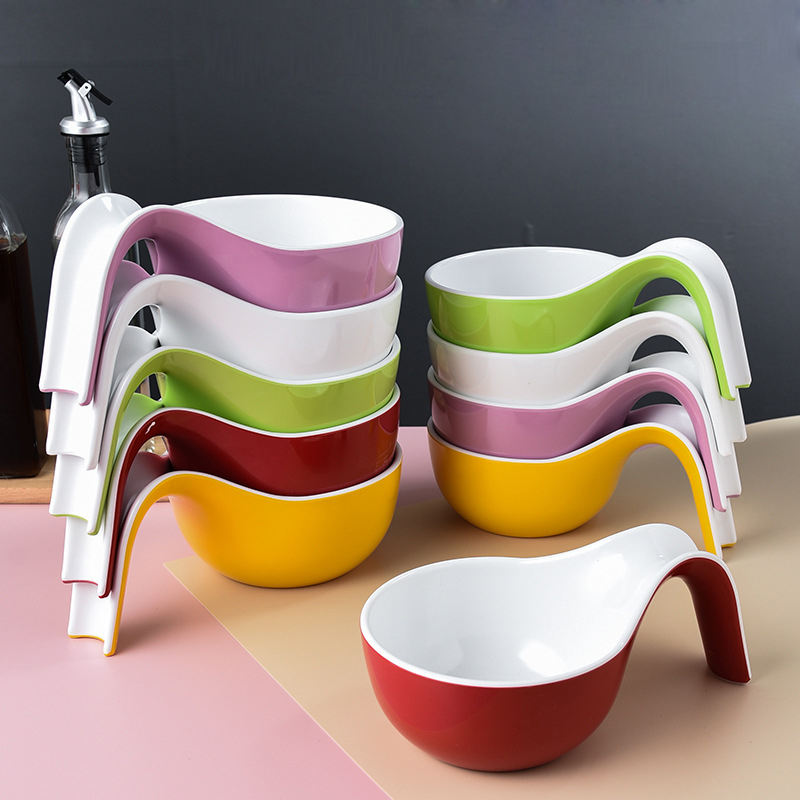
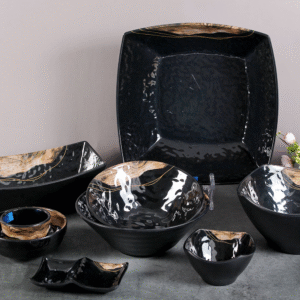
In the modern kitchen, a mixing bowl is no longer just a prep tool—it’s a piece of decor. Melamine mixing bowls have surged in popularity because they bridge the gap between high-end ceramic aesthetics and the rugged durability of industrial plastic.
Colors, Patterns, and Sizes
Unlike traditional stainless steel or glass, melamine serves as a perfect canvas for high-fidelity designs.
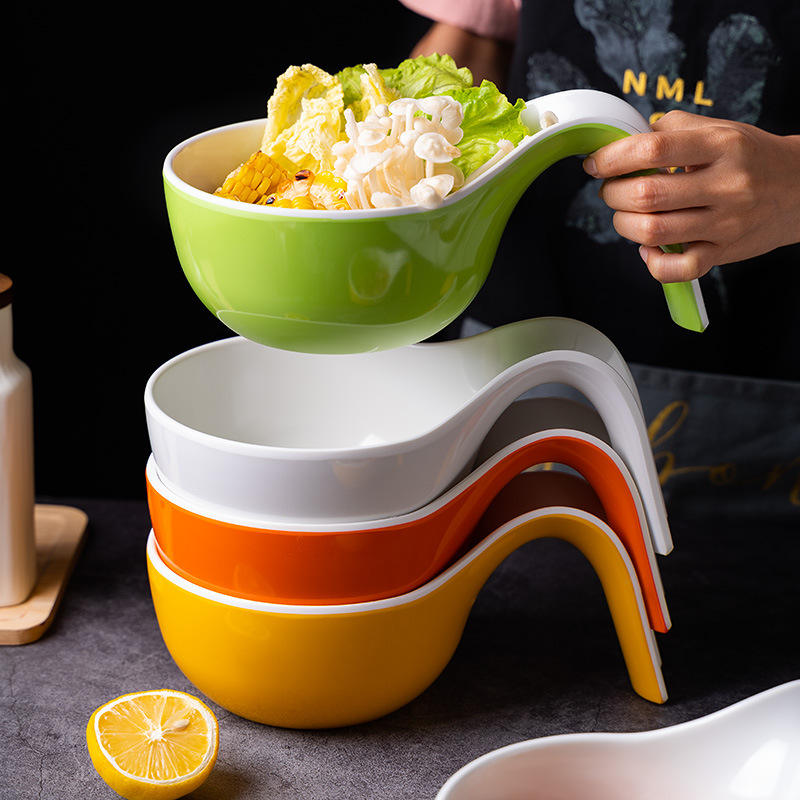
- Visual Variety: From minimalist Nordic mattes to vibrant Mediterranean patterns and faux-marble finishes, these bowls fit any kitchen “vibe.”
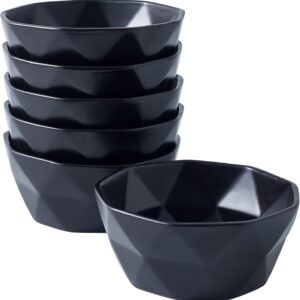
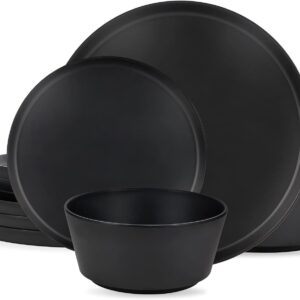
- Size Scaling: Most professional melamine sets come in graduated sizes (typically ranging from 1.5L to 5L), allowing for nested storage—a massive selling point for space-conscious urban dwellers.
Multi-Scenario Usage
The true value of melamine lies in its versatility. It eliminates the need for “transferring” food from a prep bowl to a serving bowl, reducing cleanup time.
- Seamless Meal Prep: The lightweight nature of melamine makes it ideal for heavy-duty mixing. According to material safety standards, high-quality melamine is BPA-free and heat-resistant (typically up to 70°C/158°F), making it perfect for whisking batters or tossing salads.
Note: While melamine is durable, it is not microwave-safe as per the FDA (U.S. Food and Drug Administration) guidelines, as high heat can damage the material’s integrity over time.
- Elegant Tablescaping: Because they mimic the look of porcelain or stoneware, these bowls are frequently used for “table-to-soul” serving. They are a favorite for large pasta dishes or fruit displays where visual appeal is a priority.
- The Ultimate Outdoor Companion (Picnics & BBQ): This is where melamine truly outshines glass. Its shatter-proof properties make it the gold standard for outdoor dining.
- Durability Data: Melamine has a high impact resistance, meaning it won’t chip or crack if dropped on a patio or deck—a common pain point for ceramic users during BBQ season.
- Portability: It is significantly lighter than glass, reducing the weight of picnic baskets and catering crates.
The 5 Core Advantages of Melamine
- Unrivaled Durability: Unlike ceramic or glass, melamine is virtually shatterproof. This “impact resistance” makes it the safest choice for busy kitchens where slips occur. According to industry standards for food-service grade plastics, high-quality melamine can withstand years of heavy use without chipping or cracking, significantly reducing replacement costs.
- Lightweight Ergonomics: While a large stainless steel or ceramic bowl can cause wrist strain during heavy whisking, melamine offers a superior strength-to-weight ratio. This makes it ideal for professional pastry chefs who handle large volumes and for home cooks who value maneuverability.
- Cost-Effectiveness (Affordability): Melamine provides the premium look of porcelain at a fraction of the price. Because of its longevity, the Total Cost of Ownership is significantly lower than more fragile materials, offering a high ROI for restaurant owners and budget-conscious families.
- Effortless Maintenance (Easy to Clean): Melamine is 100% dishwasher safe and naturally non-porous. This ensures that the bowls do not retain odors, stains, or bacteria from previous prep sessions. Its smooth surface allows for quick sanitization—a critical requirement for meeting NSF (National Sanitation Foundation) safety standards in commercial environments.
- Aesthetic Versatility (Stylish): Modern manufacturing allows melamine to mimic the texture of marble, wood, or glazed stoneware. This versatility ensures that the bowl can transition seamlessly from a “prep tool” in the kitchen to a “serving piece” on a stylish dining table.
Final Thoughts
At the end of the day, a melamine mixing bowl just makes sense. It’s BPA-free, stays cool to the touch, and doesn’t make that ear-piercing clanging sound that metal bowls do. Whether you’re a pro chef or just trying to get through a Saturday morning pancake session with the kids, it’s one of those tools that just works.